




Custom Wayfinding Signage for Dallas Fort Worth Businesses
Confusing hallways, unmarked suites, and unclear building entrances cost your business time, safety, and first impressions. Elevated Exposure designs and installs custom wayfinding signage for offices, medical facilities, schools, and retail properties across Dallas Fort Worth, pairing code-compliant design with a look that matches your brand. Whether you need a single lobby directory or a full campus-wide sign package, we handle design, fabrication, and installation from one local team.

What Wayfinding Signage Can Do For Your Space
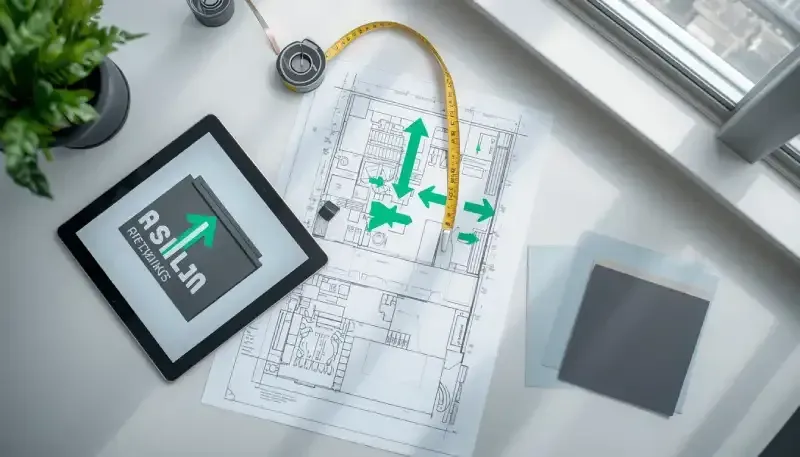
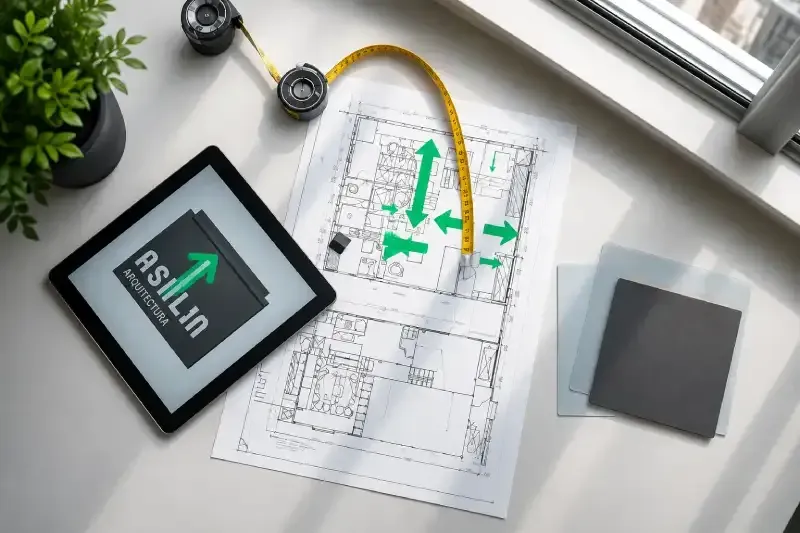
Wayfinding signage does more than guide people, it improves navigation, reduces confusion, and creates a better visitor experience. A well-designed wayfinding system helps visitors, patients, and employees quickly find entrances, suites, restrooms, and exits while supporting emergency evacuation with clear directional cues.
Ideal for offices, hospitals, campuses, and retail centers, a coordinated system ensures every sign follows the same design and hierarchy. It also protects your investment by making it easy to add a new directory panel or suite sign without redesigning the entire system.
Types of Wayfinding Signage We Produce
The right wayfinding program layers several sign types so people can navigate a building in stages, from the property line to the exact door they need.

Directional and Directory Signs
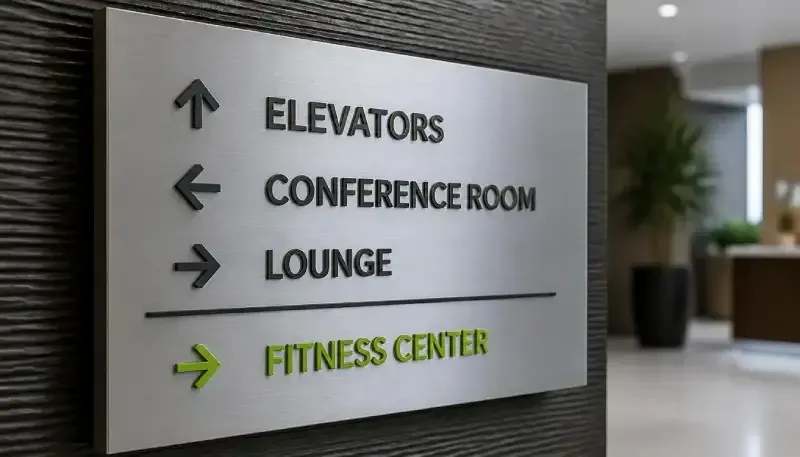
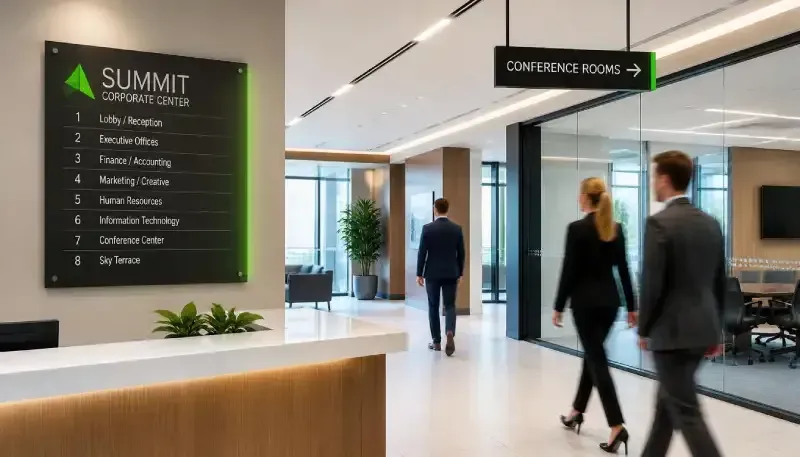
Interior directional signs use arrows and concise labels to guide foot traffic through corridors, lobbies, and multi-floor buildings. Lobby directories list tenants, departments, or suite numbers in one place, which is especially useful in multi-tenant office buildings, medical complexes, and schools where visitors need a quick reference point right at the entrance.

Dimensional Letters and Suite Signage
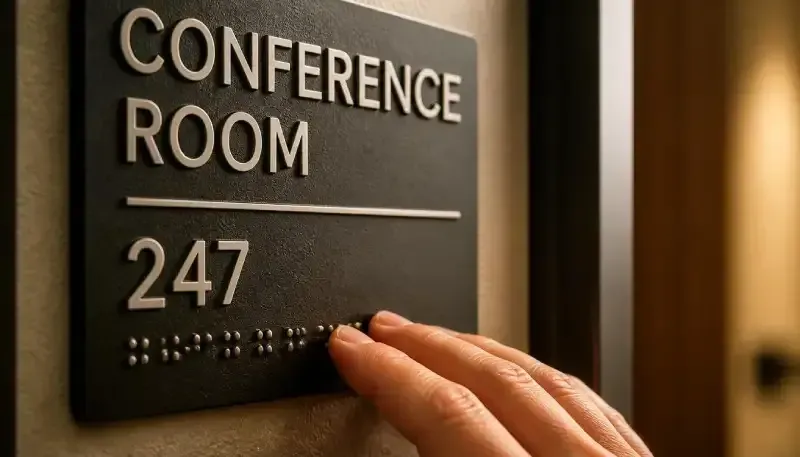
Dimensional letters and individual suite signs identify specific rooms, offices, and departments with a finished, branded look. These signs typically combine your logo colors and font with the required numbering or lettering, so identification signage still reinforces your brand instead of looking like an afterthought.


ADA-Compliant Wayfinding Signs
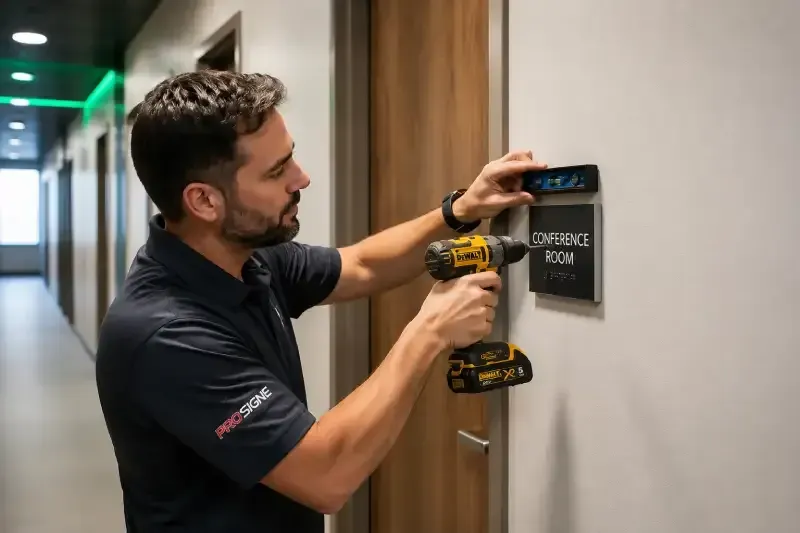
Every interior sign identifying a permanent room or space needs to meet accessibility requirements, including raised tactile characters, Braille, proper color contrast, and correct mounting height. We build every wayfinding sign to satisfy these standards from the start, and our ADA Compliant Signage services cover the full requirements in more detail for facilities that need a dedicated compliance review.
Wayfinding Signage by Industry
Every industry uses wayfinding differently, so we design each sign package around how people actually move through your specific type of facility.

Corporate and Office Campuses
Office parks and corporate campuses rely on wayfinding to route employees, clients, and delivery drivers between buildings, parking areas, and shared amenities. Clear exterior directional signs paired with interior directories cut down on missed meetings and wandering visitors, particularly in campuses with several similarly designed buildings. Conference room and department signage rounds out the system so guests move from the parking lot to the right meeting without stopping at the front desk.

Medical, and Healthcare Facilities
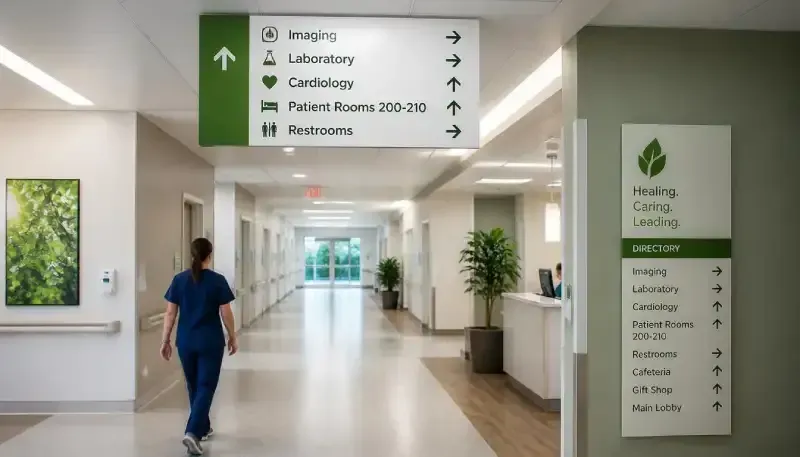
Patients arrive at medical facilities already stressed, so clear wayfinding is one of the simplest ways to improve their experience before they even reach the front desk. Department signage, floor directories, and exterior monument signs work together to route patients to imaging, labs, and specialty clinics without extra staff assistance. Our Medical and Healthcare Signage solutions build on this same wayfinding foundation for hospitals, clinics, and outpatient centers.

Schools and Educational Campuses
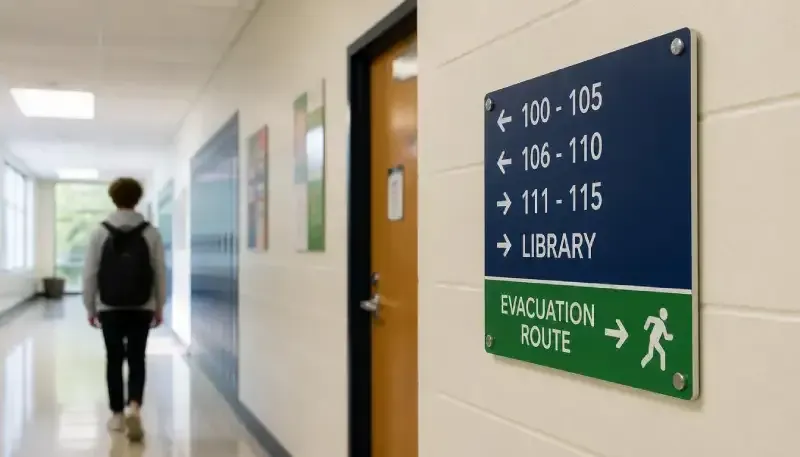
Signs in schools carry more weight than typical directional signage: they guide visiting parents during events, direct substitute staff and delivery vendors, and support emergency evacuation and lockdown procedures when seconds matter. A campus-wide wayfinding system for schools should clearly mark building entrances, visitor check-in points, classroom and room numbers, and exit routes, all while meeting the same ADA and fire code requirements that apply to any commercial facility.
Materials and Design Considerations for Wayfinding Signage
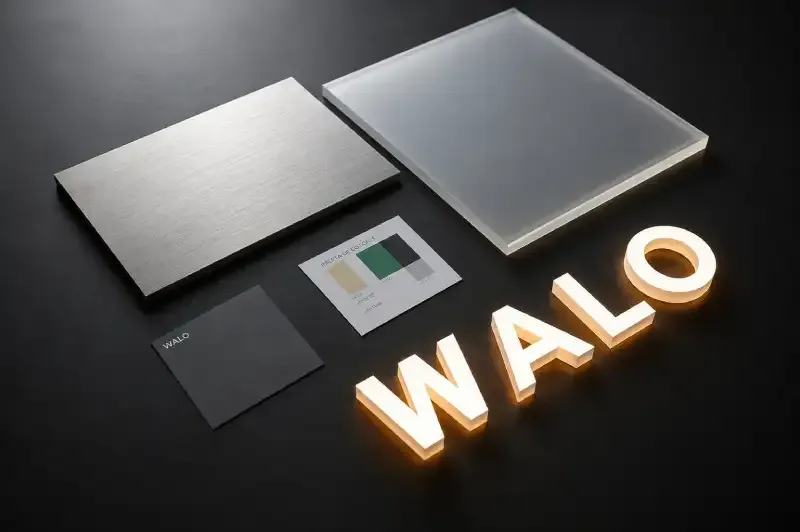
Wayfinding signs should be durable and easy to read. Interior signage is typically made from acrylic, aluminum, or PVC, while exterior directional signage is manufactured using weather-resistant and UV-resistant materials.
Effective signage combines consistent color coding, high contrast, and universal symbols to make navigation easier.
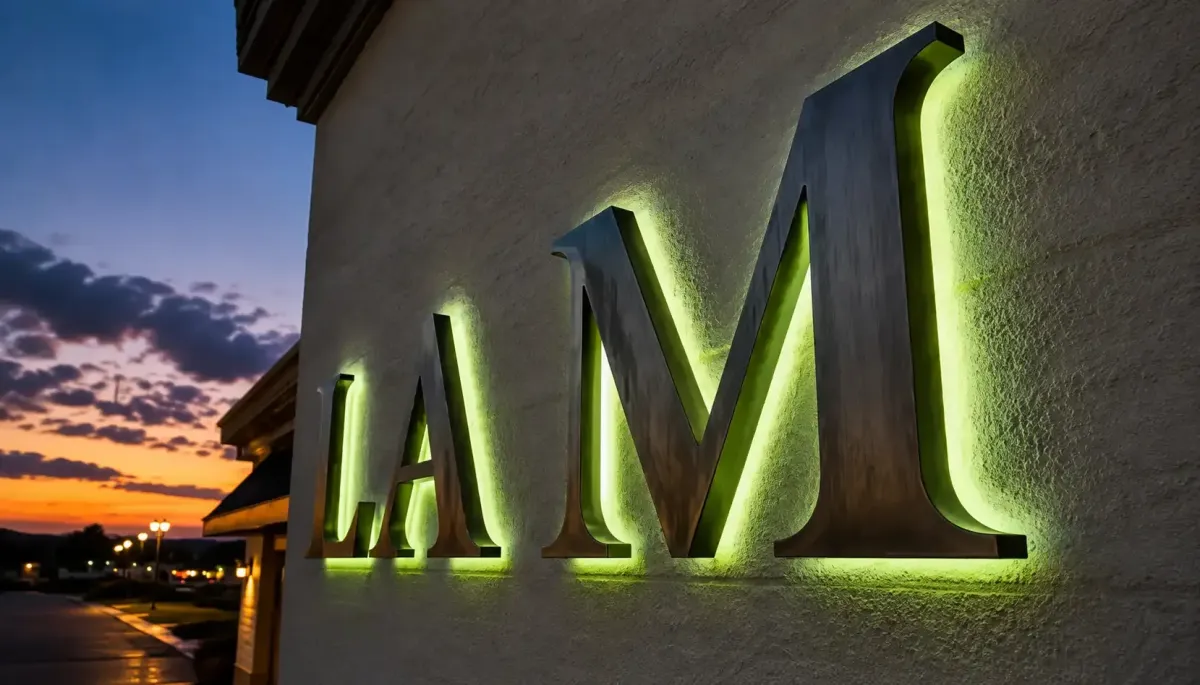
On campuses or in large complexes, digital wayfinding through directories and kiosks enhances navigation. In addition, proper lighting, such as illuminated letters and signs that remain visible under emergency lighting, ensures readability and safety at all times.

Wayfinding Design and Installation Process
Every wayfinding project begins with a site walkthrough to analyze how people move through the facility, identify entrances, decision points, and accessibility or safety requirements. We then design a sign family with consistent colors, typography, and styles to create a unified wayfinding system.
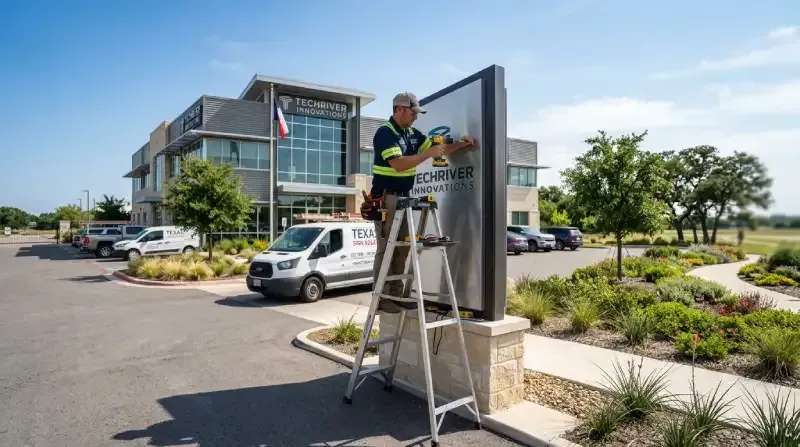
Once approved, we fabricate and install the signage with minimal disruption, documenting every wayfinding sign, its materials, and hardware to ensure future additions or replacements maintain the same look and consistency.
Frequently Asked Questions About Wall Graphics
How much does wayfinding signage cost in Dallas Fort Worth?
Wayfinding signage costs vary based on the number of signs, materials, and whether ADA-compliant tactile elements are required, so most projects range from a few hundred dollars for a single directory sign to several thousand dollars for a full building or campus package. We provide a free, itemized estimate after reviewing your space and sign count.
Is wayfinding signage required to be ADA compliant?
Yes, any interior sign that identifies a permanent room, space, or exit must meet ADA requirements for tactile characters, Braille, contrast, and mounting height. Exterior directional and monument signs have fewer tactile requirements but still need to follow local accessibility and code guidelines.
What is the difference between wayfinding signage and directional signage?
Directional signage is one component of a larger wayfinding system, typically just the arrows and labels that point toward a destination. Wayfinding signage refers to the entire coordinated program, including directories, room identification, and exterior signs, that work together to guide someone from arrival to destination.
Do schools need special wayfinding or safety signage?
Yes, schools generally need wayfinding signage that goes beyond basic directional signs to include visitor check-in points, clearly marked evacuation routes, and room identification that supports both daily navigation and emergency response. These signs still need to meet ADA and fire code requirements like any other commercial facility.
How long does a wayfinding signage installation take?
Most single-building wayfinding installations are complete within one to two weeks after design approval, depending on the number of signs and any permitting required for exterior or monument signage. Larger campuses with multiple buildings are usually installed in phases.
Can wayfinding signage be updated or expanded later?
Yes, a well-designed wayfinding system is built to be modified as tenants change, departments move, or a campus expands. Modular sign hardware and reusable inserts let us update specific signs without replacing the entire system.
Serving Businesses Across the Dallas Fort Worth Area
Elevated Exposure Signs and Graphics provides signage solutions throughout the Dallas Fort Worth region including:







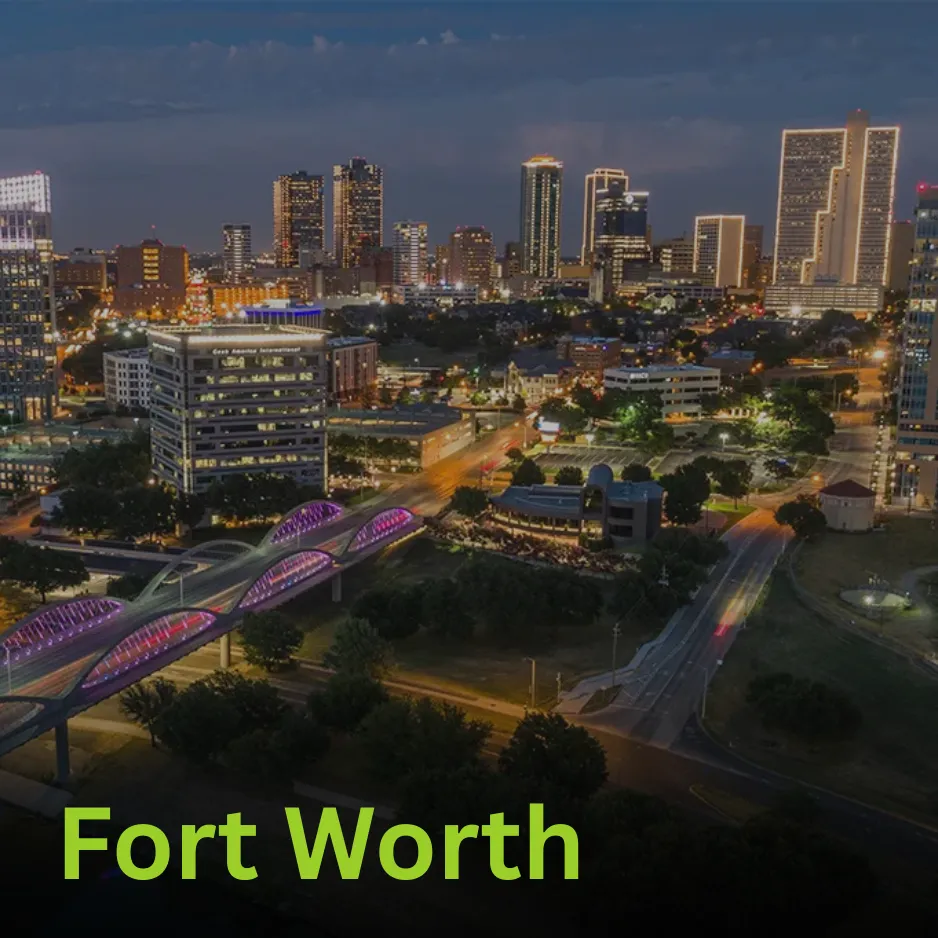
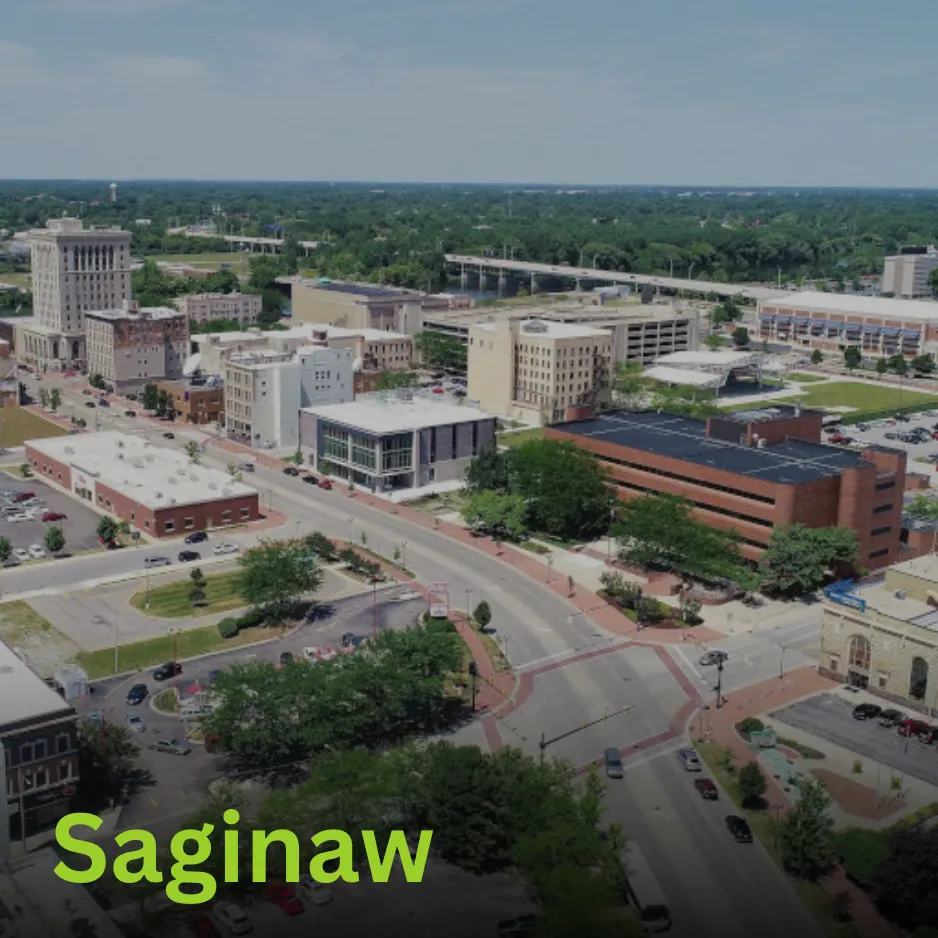
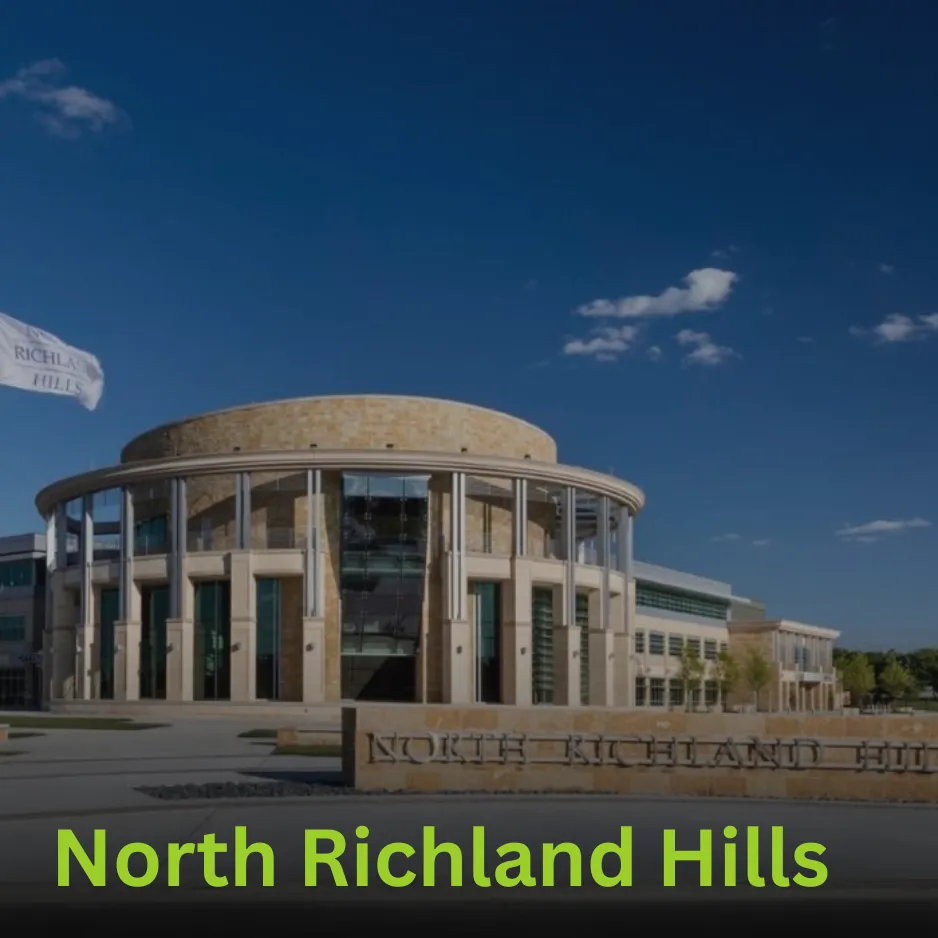

Our team works with businesses across North Texas to design signage systems that strengthen brand visibility.
Planning Wall Graphics for Your Business
Wall graphics provide a flexible way to brand any interior space, whether you are updating an office, refreshing a retail environment or creating a more welcoming healthcare or hospitality space. We design each wall graphic to complement your existing space and reinforce your brand.

Electrical Signage Notice
Electrical Signage Notice: Elevated Exposure Signs and Graphics provides design, fabrication coordination, and project management services for illuminated signage. All electrical installation work is performed by properly licensed Texas electrical sign contractors in accordance with state and local regulations.
Copyright @2026 | Privacy Policy | Terms and Conditions | SiteMap