




Commercial Sign Company Serving Fort Worth Businesses
A Fort Worth sign company designs, permits, fabricates and installs the exterior and interior signage a business needs to be found and understood: channel letters, monument and pylon signs, lobby signage, wayfinding and vinyl graphics. In Fort Worth that work is regulated. Sign permits are reviewed and enforced by the Zoning Section of the city's Development Services department, applications are accepted online only, and all electrical work on an illuminated sign must be performed by a Texas-licensed electrical sign contractor. Choosing a sign partner that handles zoning review and permitting in-house is what keeps a project on its original schedule.
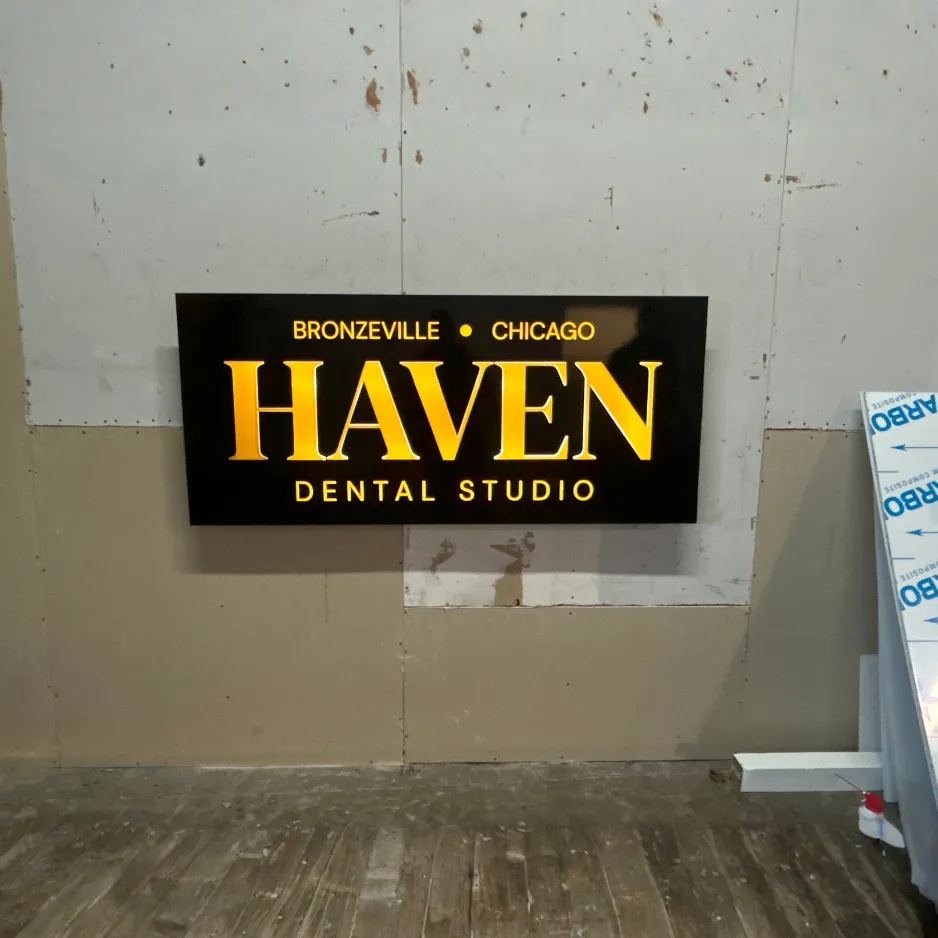

Commercial Signage Solutions for Fort Worth Businesses
Fort Worth is one of the fastest growing commercial markets in Texas. Businesses across retail, healthcare, hospitality and corporate sectors rely on professional signage to establish visibility and guide customers to their location.
Elevated Exposure Signs and Graphics helps Fort Worth businesses communicate clearly through strategic signage solutions. From exterior building signage and monument signs to interior branding and ADA compliant signage, our team supports businesses throughout the signage planning and installation process.
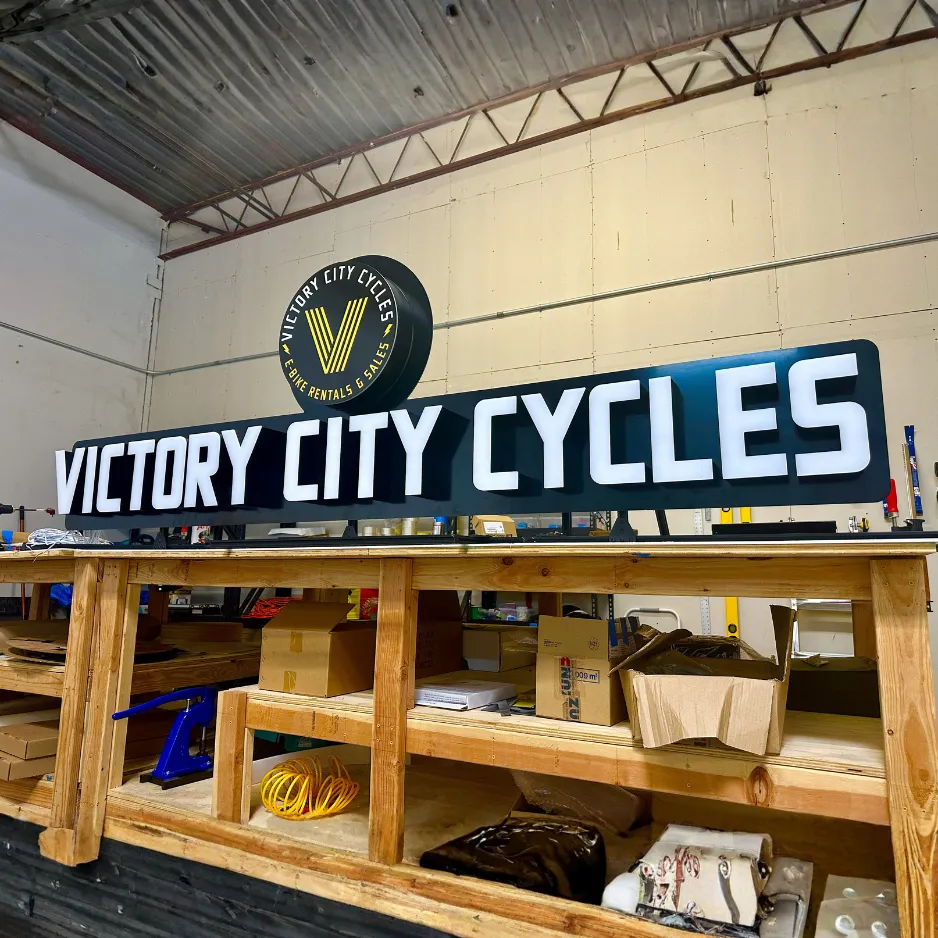
CORE SIGN SOLUTIONS
Exterior Signage for Fort Worth Commercial Properties
Exterior signage plays a major role in brand recognition and customer navigation. Businesses in Fort Worth often rely on building mounted signage and monument signs to establish a visible presence along commercial corridors.

Channel Letter Signs


Monument and Ground Signs
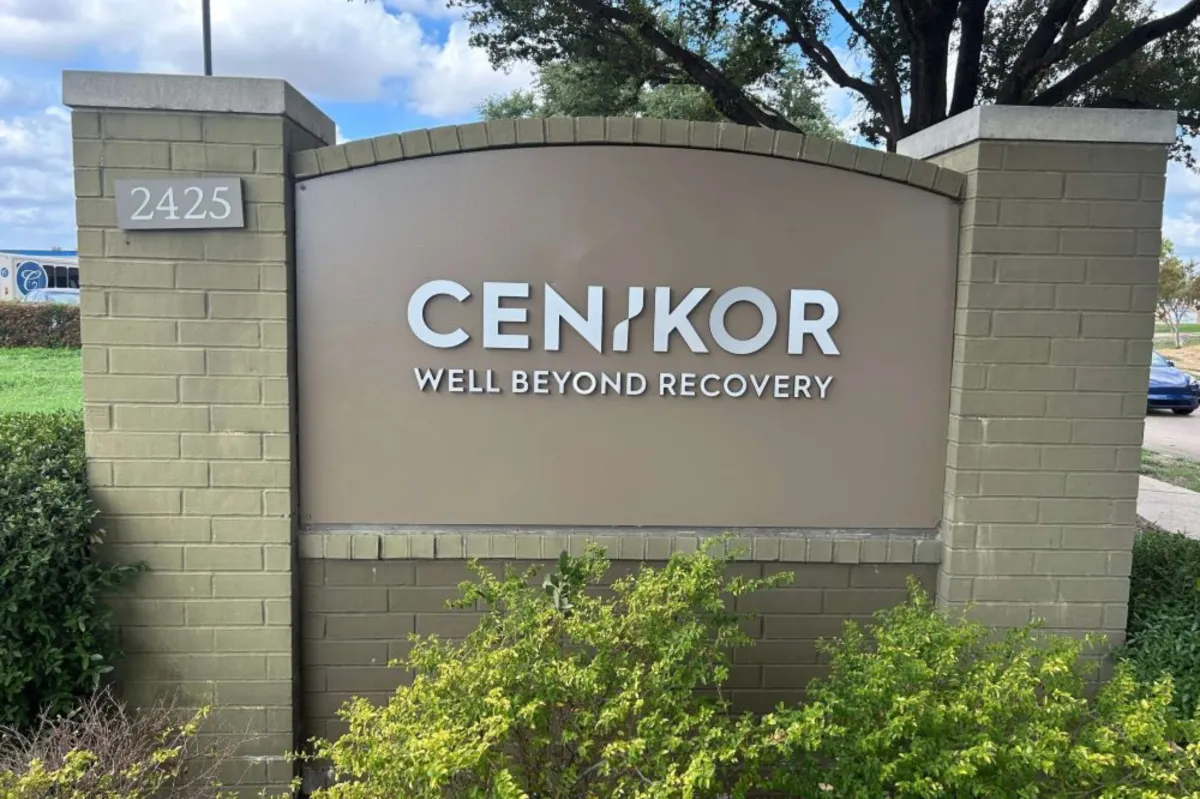

Exterior Building Signage
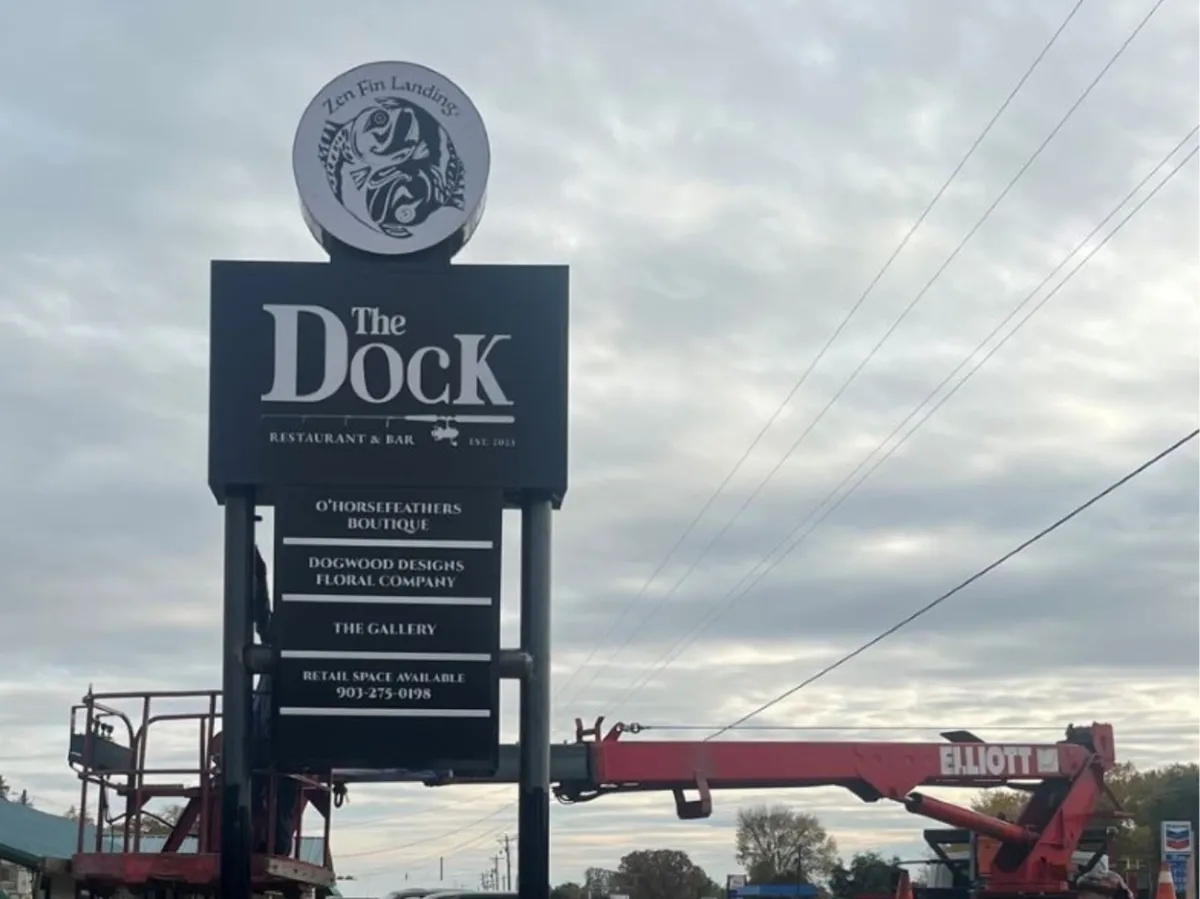

Retail Storefront Signs
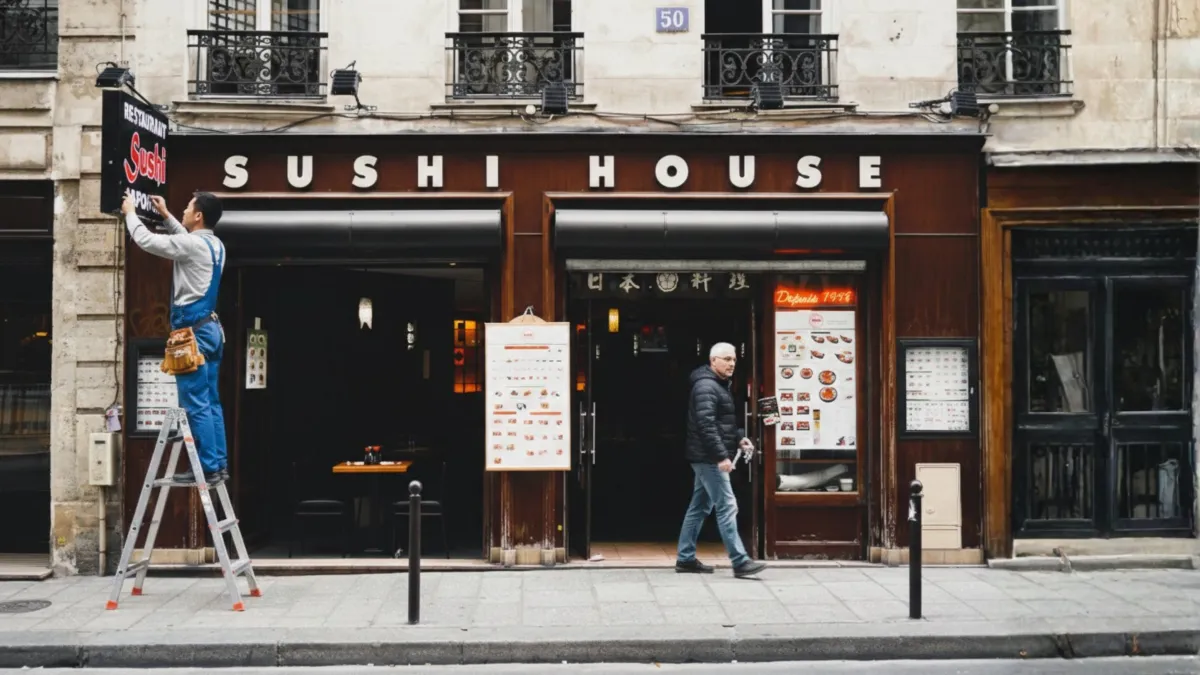
Each of these signage types helps businesses improve visibility while reinforcing brand identity.
Interior Signage and Branding
Interior signage supports customer navigation and strengthens brand presence within the space.
Lobby Signs


ADA Compliant Signage
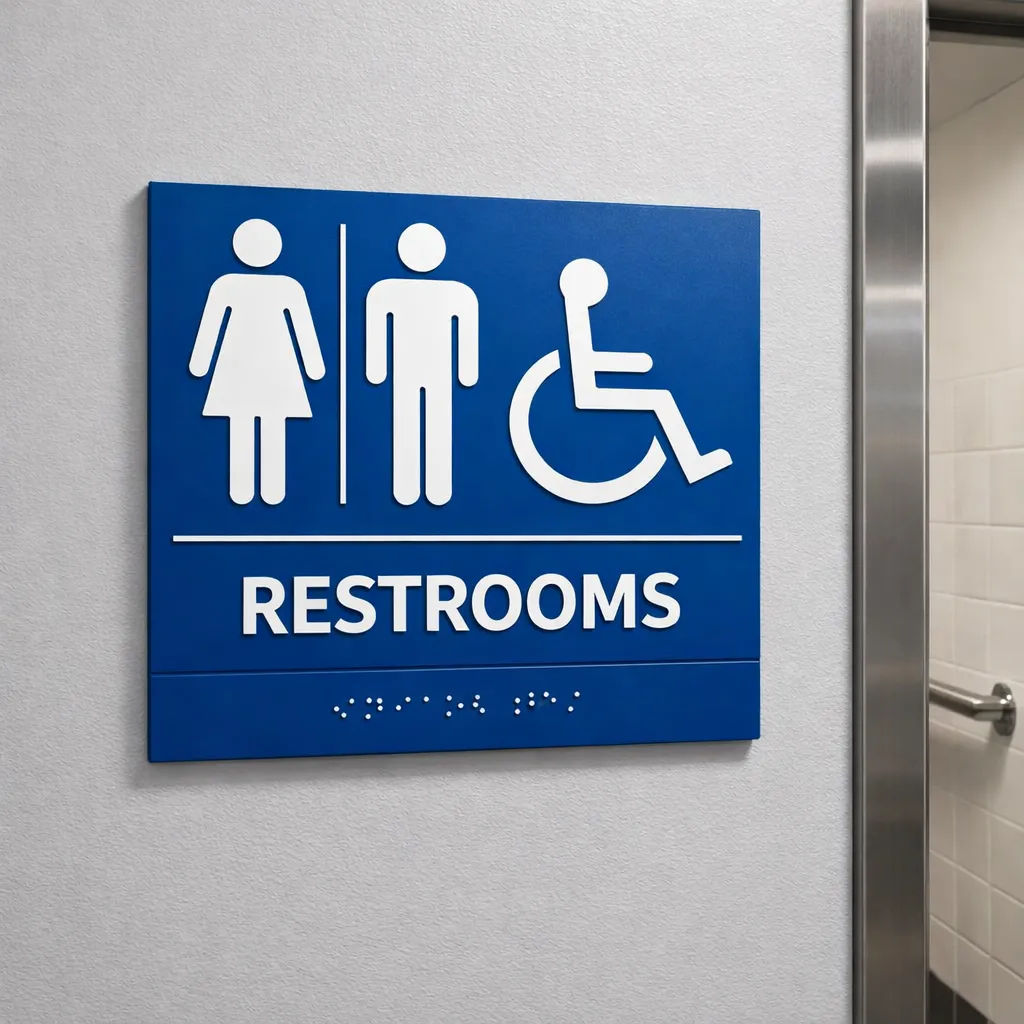
Wayfinding and Directional Signs
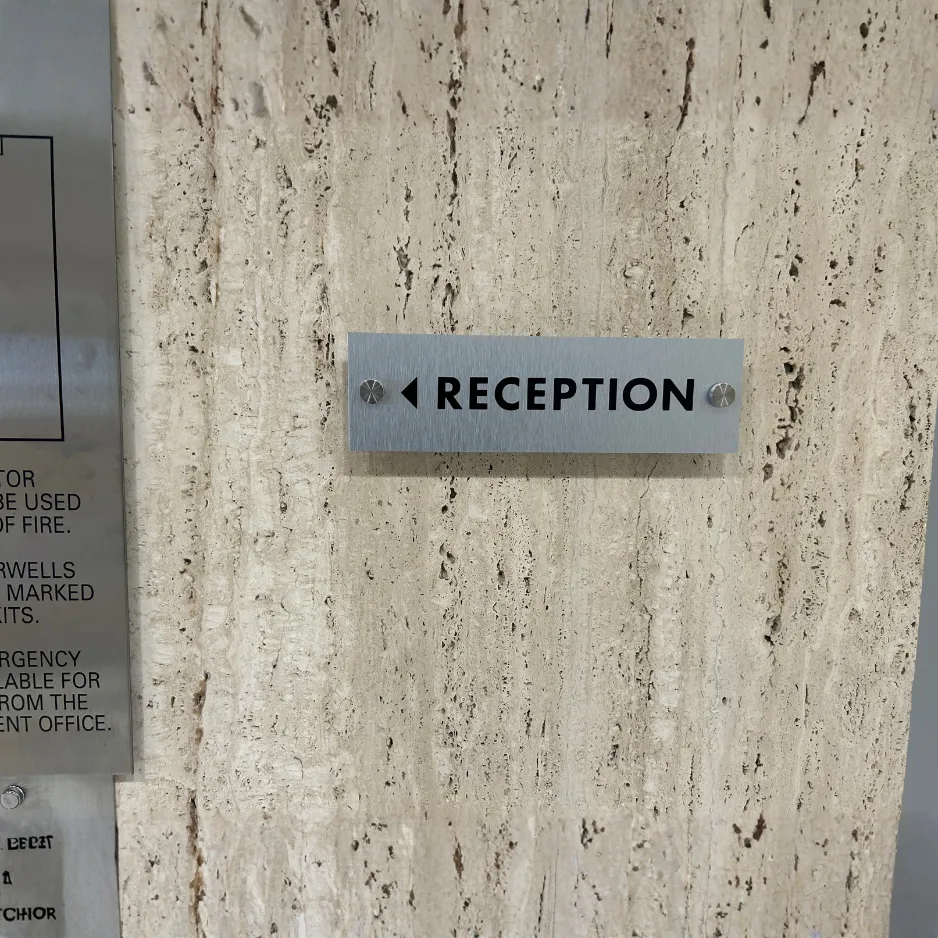

Wall Graphics
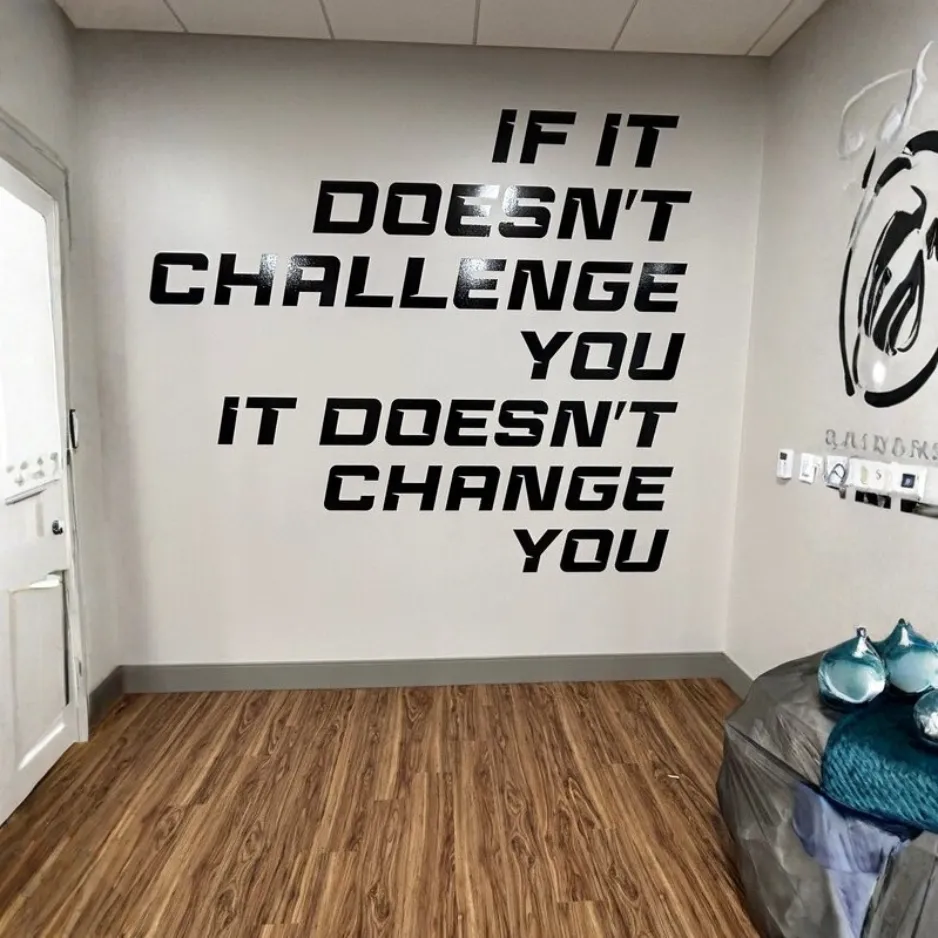

Vinyl Graphics
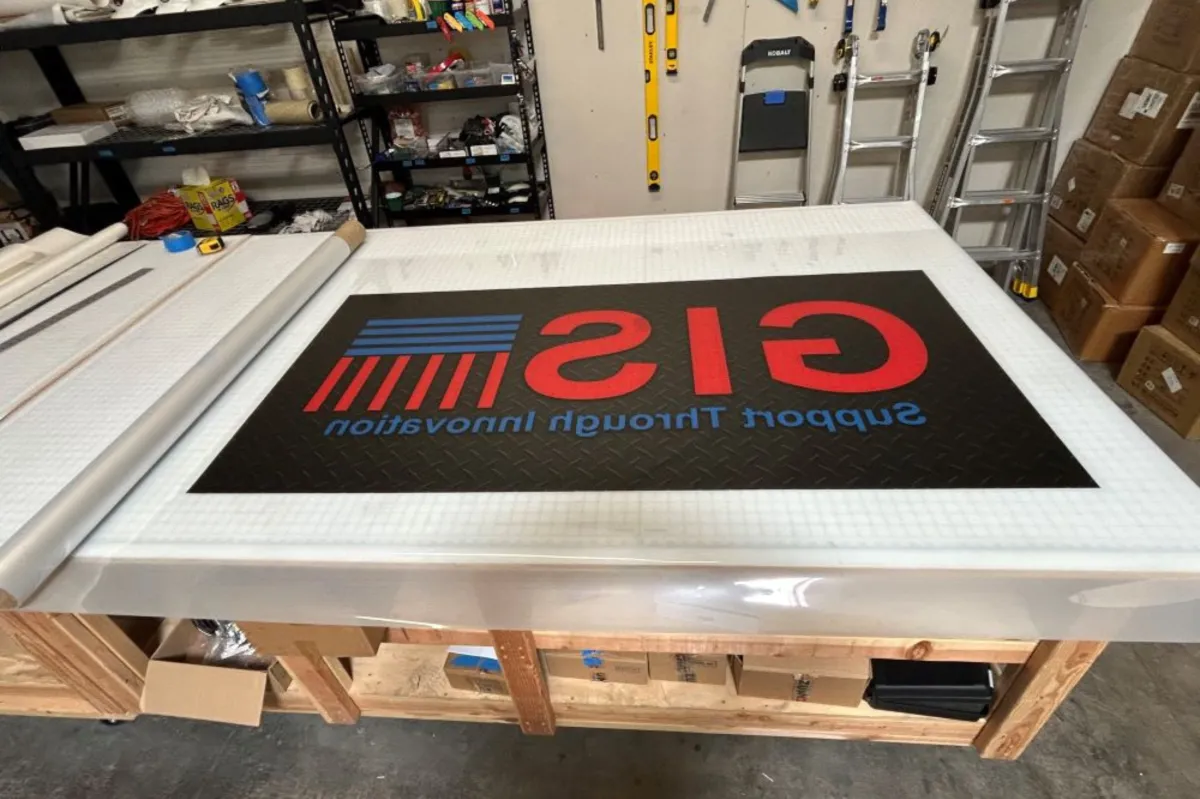
These elements help create professional environments that guide visitors and reinforce brand identity.
The Full Range of Commercial Signs We Fabricate and Install
Beyond channel letters, monument signs and lobby signage, most Fort Worth commercial properties eventually need one of the following, and a full-service Fort Worth sign company should be able to fabricate and install every one of them rather than brokering the ones it cannot build.
Pylon and Multi-Tenant Signs
tall freestanding road-facing structures that identify several businesses on a shared retail or office property, sized and lit for arterial and highway visibility, with individual tenant panels that can be swapped as leases turn over.
Cabinet Signs
an aluminum can with an internally illuminated polycarbonate or flex-face panel. Still the most cost-effective way to light a wide storefront and the easiest sign type to rebrand later.
Blade and Projecting Signs
mounted perpendicular to the building face for pedestrian corridors like the Near Southside and downtown Fort Worth, where foot traffic reads the wall edge-on rather than head-on.
Awning and Canopy Graphics
printed or applied copy on a fabric or metal awning, common on older Fort Worth storefronts where wall-mounted signage is restricted or the façade cannot be penetrated.
Post and Panel Signs
a panel carried between two posts, used for site entries, parking direction, leasing information and construction identification.
Dimensional and Reverse-Lit Letters
individually cut aluminum or acrylic letters, either flat-mounted or halo-lit with a warm backglow, used on corporate façades and lobby feature walls.
Digital and Electronic Message Centers
LED display signs with remotely updated copy, subject to the Board of Adjustment special exception process described above.
Vehicle Graphics and Wraps
partial or full-coverage printed vinyl that turns a service fleet into moving signage across the Metroplex.
Most projects combine two or three of these. A new retail tenant typically needs illuminated channel letter signs on the façade, a tenant panel insert in the center's existing pylon, and window graphics at the entry: three different fabrication paths running on one schedule, which is exactly the coordination problem we are built to manage.
How Businesses Use Fort Worth in
Commercial Environments

Retail Storefront Visibility
Retail businesses rely on channel letter signs to establish strong storefront visibility. Illuminated channel letters allow businesses to remain visible during evening hours and help customers quickly identify storefront locations in busy shopping centers and retail corridors.

Restaurant and Hospitality Branding
Restaurants and hospitality venues often use illuminated channel letter signs to create recognizable brand presence. Clear exterior signage helps attract walk in traffic and supports brand recognition across competitive dining districts.

Corporate Offices and Business Parks
Corporate offices often install channel letter signage on building façades to reinforce brand identity and assist visitors navigating large office complexes.

Medical and Healthcare Facilities
Healthcare offices frequently use channel letter signage to clearly identify building entrances and guide patients to the correct location. Professional exterior signage helps medical facilities maintain a clean, organized appearance.
Fort Worth Sign Permits, Zoning and Code Compliance
Commercial signage in Fort Worth is governed by Chapter 6, Development Standards, of the city's Zoning Ordinance, and the Zoning Section of Development Services implements and enforces it. Sign permit applications are accepted online only, and plan review looks at sign area, height, setback, illumination type and the zoning district the property sits in. None of that is discretionary, and none of it is something you want to discover after a design has been approved internally. A Fort Worth sign company that works inside this ordinance every week treats the zoning review as step one of the project rather than a box ticked at the end.
Sign permit: the city approval required before a regulated commercial sign can be fabricated and installed, granted on the basis of the sign's type, size, height, placement and zoning district.
The constraints that most often stall a Fort Worth project are the ones nobody checks early. Electronic changeable copy signs are not allowed by right: under § 6.411 of the ordinance they require a special exception granted by the Board of Adjustment in commercial, industrial, mixed-use and community facility districts, and because that is a scheduled hearing it adds weeks. Nonconforming signs carry their own size and height ceilings, so replacing the face on an older cabinet sign is not always a like-for-like swap. And any property inside a planned development or under a landlord design criteria package answers to two rulebooks at once, where the landlord's is usually the stricter of the two.
In our experience the single largest source of delay on a commercial signage project here is a zoning constraint found after the sign has already been drawn and internally approved. We run the zoning check and the landlord criteria review before design starts, so what gets drawn is what can actually be permitted and built. Our Fort Worth sign permit guide walks through the full submittal in detail.
What Commercial Signage Costs in Fort Worth
Cost is the first question every business asks, and the one most sign company websites avoid answering clearly. Four variables drive price: sign type and size, whether the sign is illuminated, the mounting or foundation condition, and the permit path.
Custom interior signage in cut acrylic or brushed aluminum is generally the least expensive category of genuinely custom work. Illuminated channel letters cost more because every letter is individually fabricated, wired and mounted to a raceway or directly to the facade, and because the electrical connection requires a licensed contractor. A lighted monument or pylon sign sits at the top of the range: it typically needs a foundation, engineered footing drawings, a structural permit alongside the sign permit, and crane or boom time on install day.
What moves a quote most is usually outside the sign itself. A facade that needs blocking or structural reinforcement, a site with no electrical stub at the sign location, a downtown install requiring a lane closure and traffic control plan, and a Board of Adjustment hearing for electronic copy all add real cost that has nothing to do with the letters.
Here is what we realistically tell clients: insist on a written scope that separates design, fabrication, permitting and installation as individual line items. A single lump sum number hides which part of the project is actually driving the price, and it leaves you with no basis to question a change order later. Our commercial sign cost breakdown covers typical ranges by sign type.
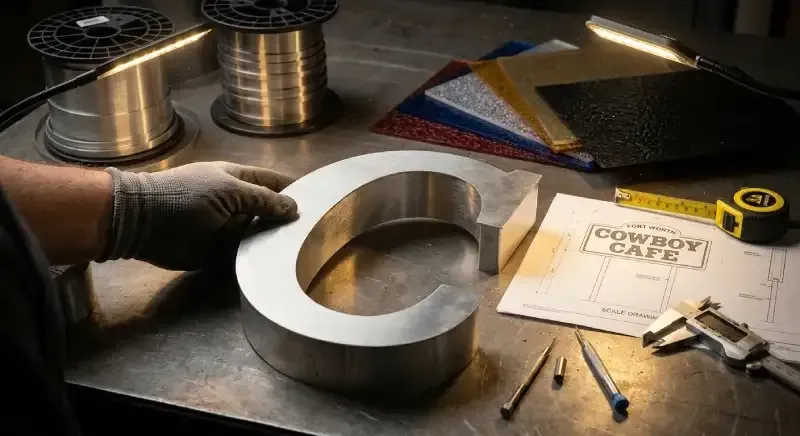
Industries We Serve in Fort worth
Each industry requires signage systems designed to support visibility, navigation and regulatory requirements.
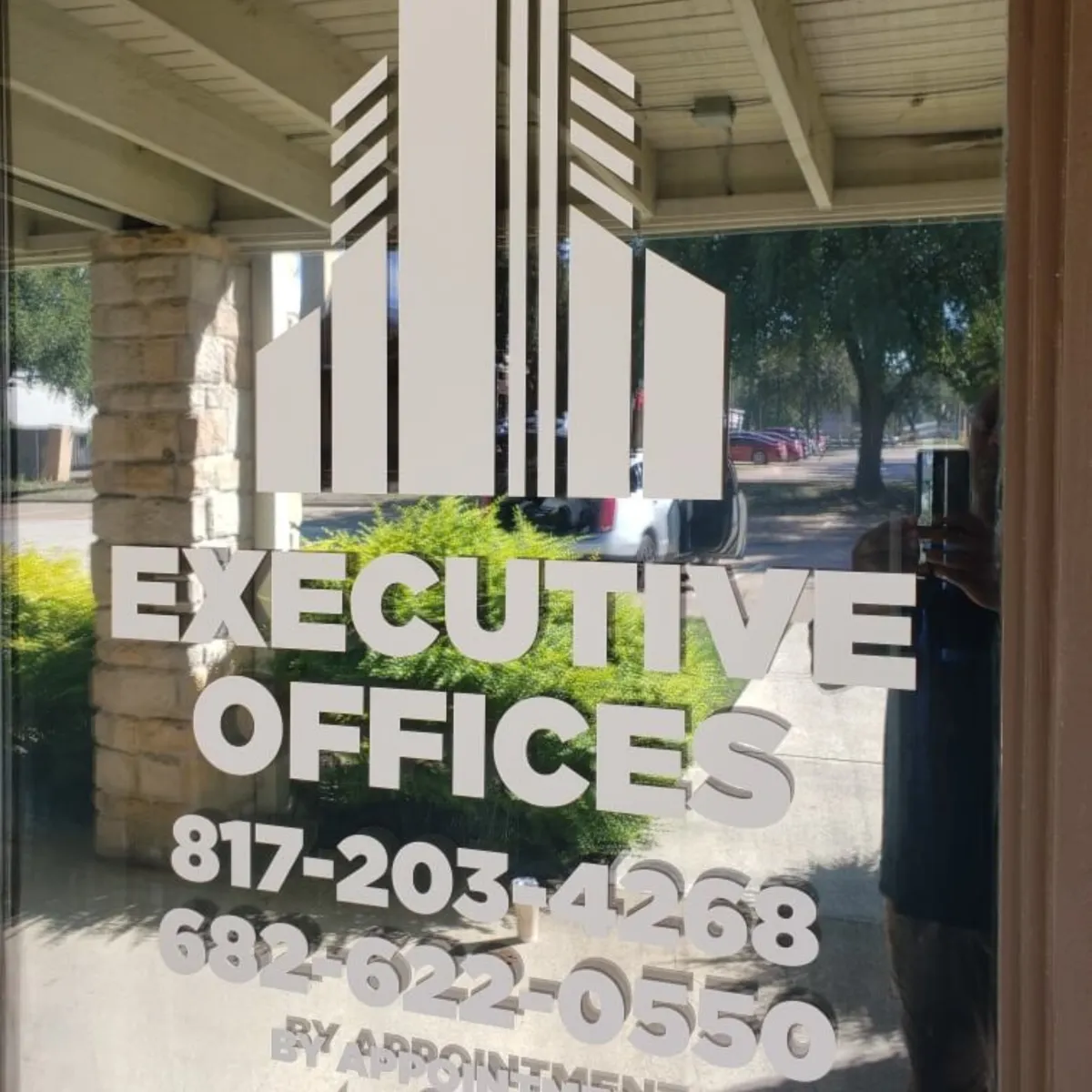

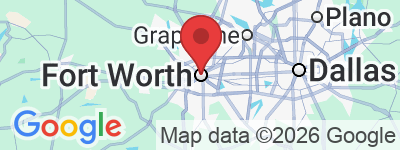
Serving Businesses Across Fort Worth
Elevated Exposure Signs and Graphics supports businesses throughout the Fort Worth area including commercial corridors, retail districts and business parks.
Our team works with businesses across the greater Fort Worth region to plan signage that supports visibility, compliance and brand recognition.
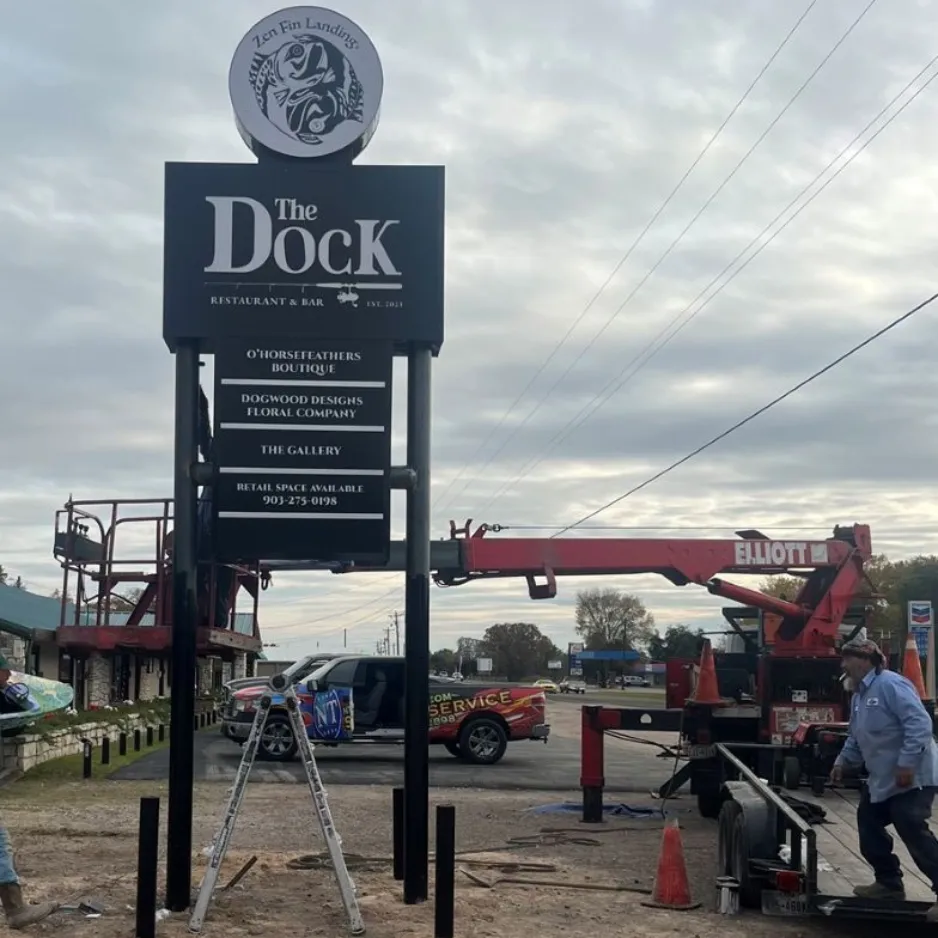
Why Businesses Choose Elevated Exposure
Elevated Exposure Signs and Graphics is a Texas HUB-certified and DFW MSDC-certified Minority Business Enterprise serving businesses across North Texas.
Founded by Keith Mensah, who holds a Master’s degree in City and Regional Planning, the company approaches signage as strategic physical communication designed to help businesses connect with their audience.
From planning and fabrication coordination to installation support, Elevated Exposure provides structured signage solutions that help businesses present themselves professionally.
How a Fort Worth Sign Project Runs, Step by Step

Site survey
We photograph and measure the façade or site, confirm the mounting substrate, locate available power and check sight lines from the road.

Zoning and criteria review
We pull the property's zoning district and any landlord design criteria, and confirm allowable sign area, height and illumination before anything is drawn.

Inspection and closeout
The city inspects the completed installation and you receive as-built photographs and warranty documentation for the property file.

Permit filing
We prepare and submit the sign permit application online to Development Services and respond to plan review comments on your behalf.

Design and engineering
You receive scaled elevations and a photo mockup on your actual building. Freestanding and large wall signs also get engineered drawings sealed for permit submittal.

Fabrication
Letters, cabinets, panels and structures are built to the approved drawings, with materials specified for the exposure the sign will actually face.

Installation
A Texas-licensed electrical sign contractor performs all electrical work; mounting and structural installation are handled with the lift or crane the site requires.
Where projects go sideways is almost always between steps two and four. A design approved internally before the zoning check, or a permit filed without the landlord's signed criteria approval, means returning to step three and losing several weeks. Doing the compliance work first is unglamorous, and it is the reason a schedule holds. When you compare proposals, ask each Fort Worth sign company which of these seven steps it performs itself and which it subcontracts.
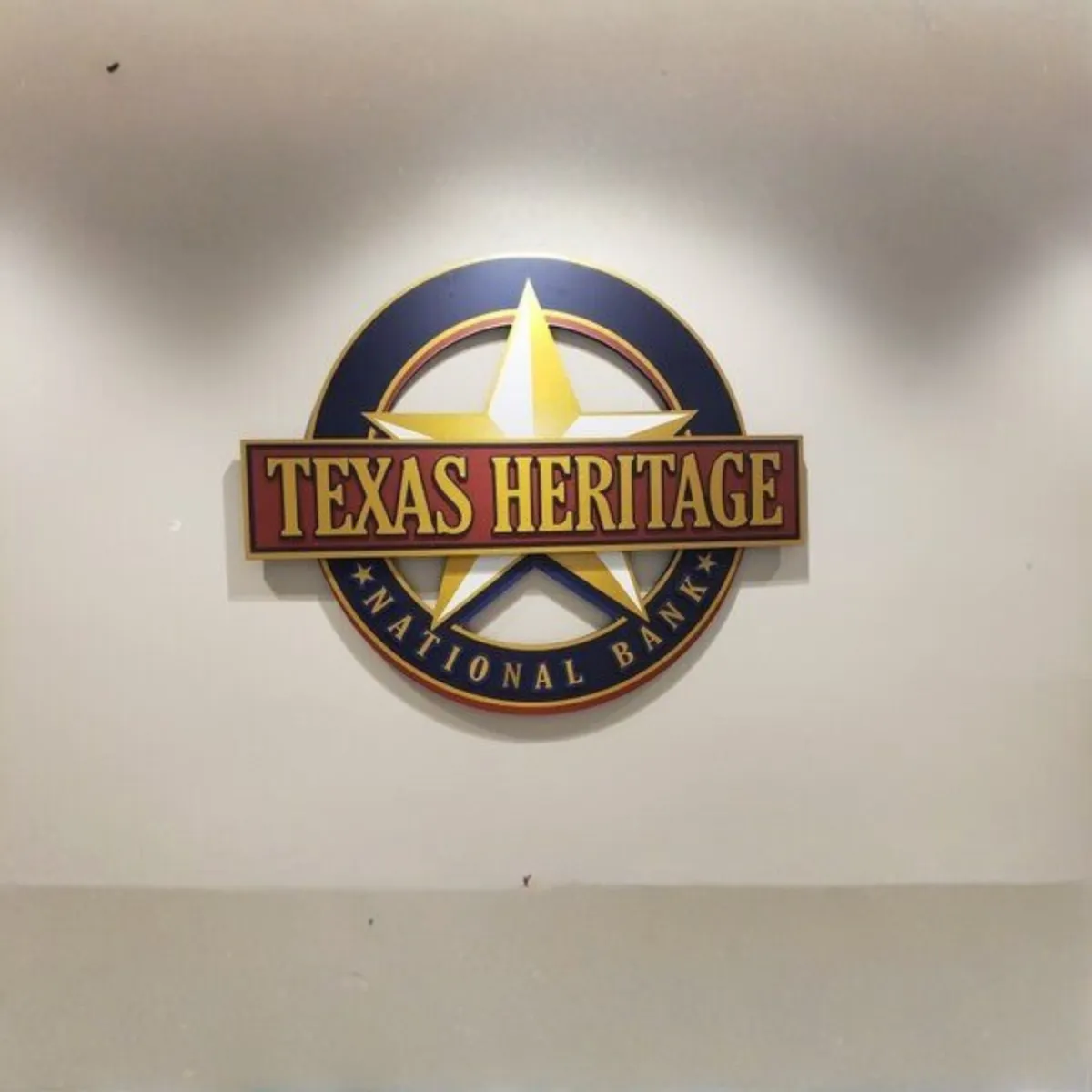
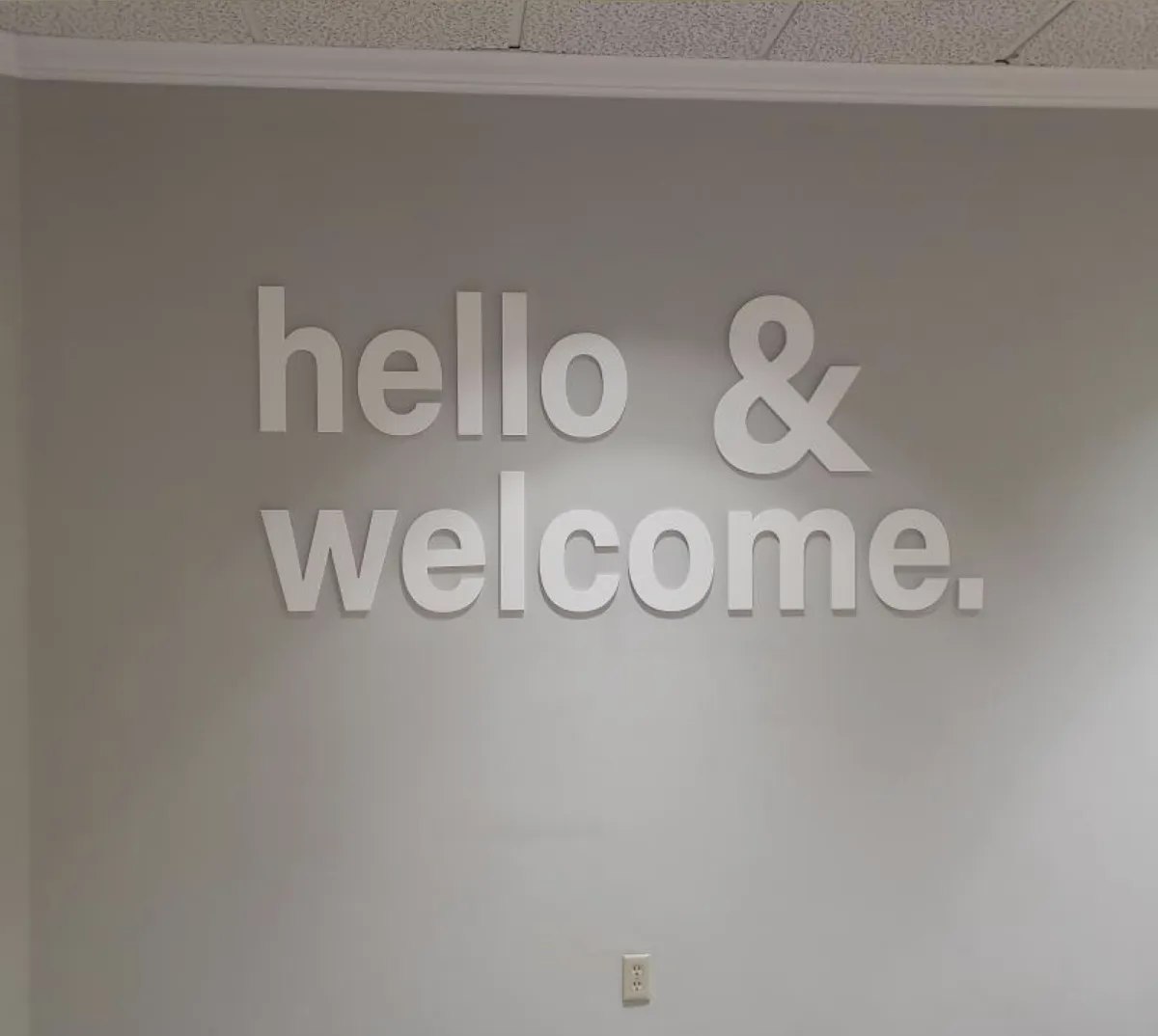
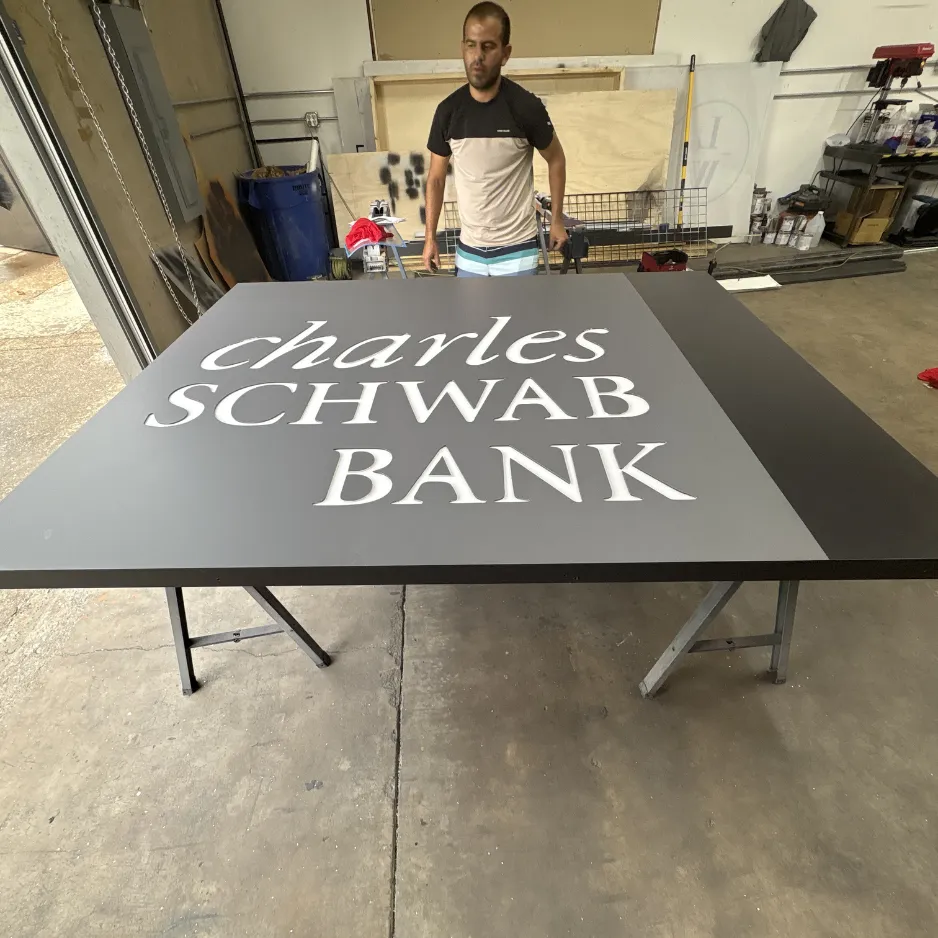
Recent Commercial Sign Projects in Fort Worth
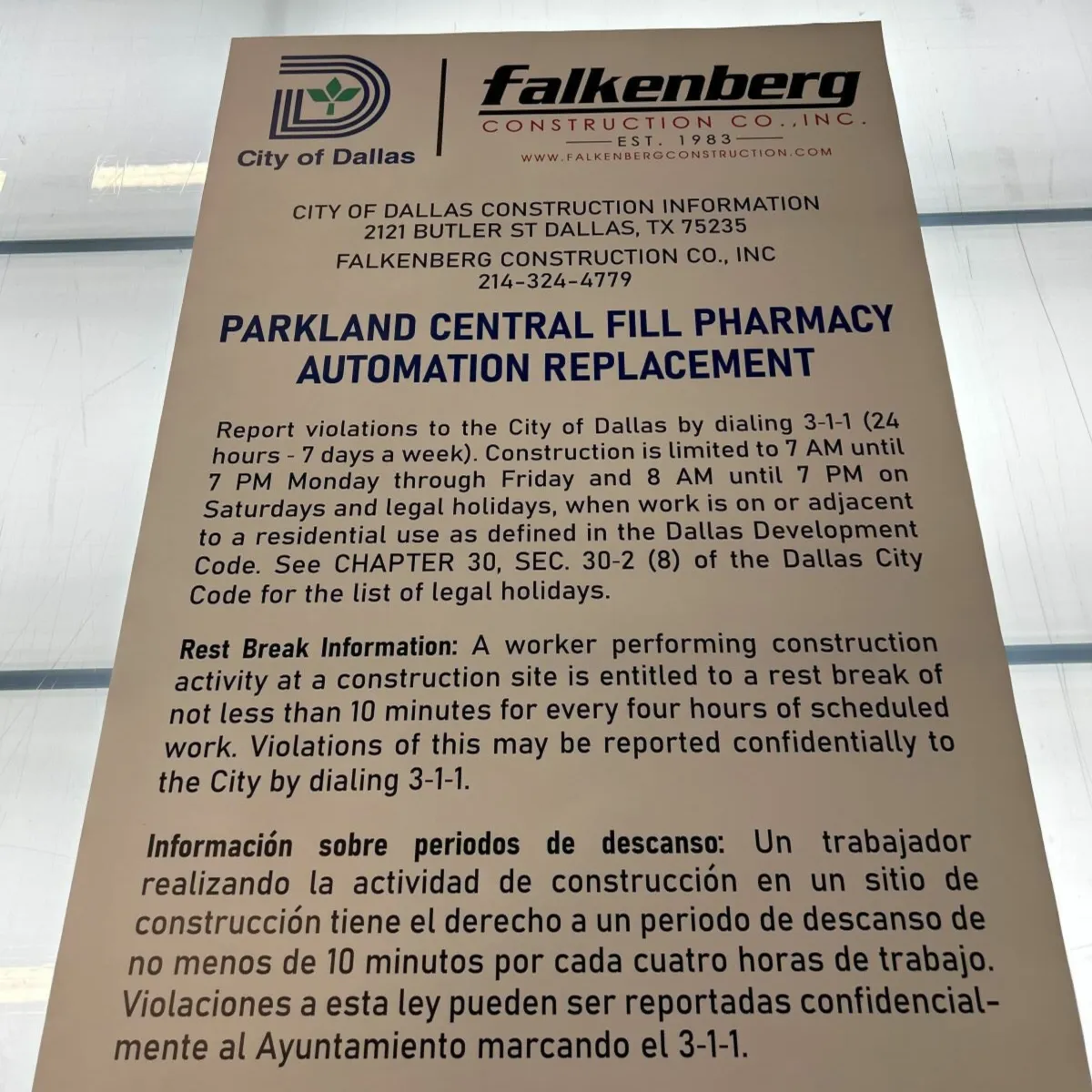
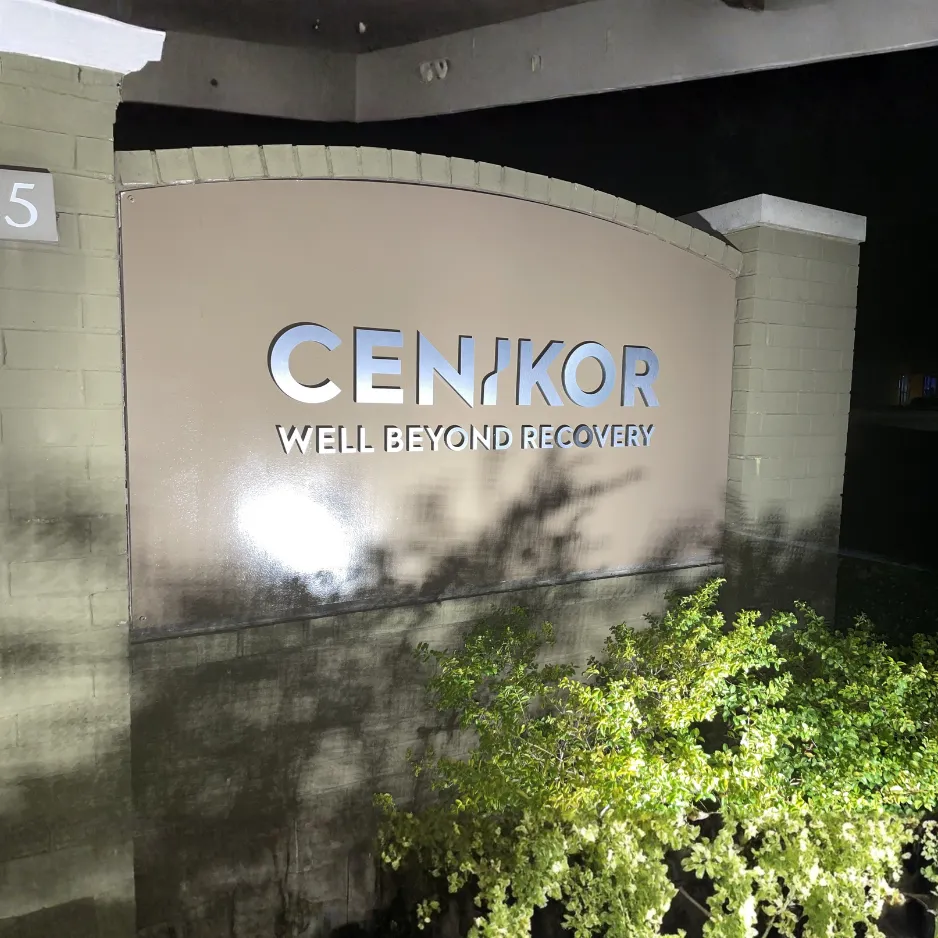
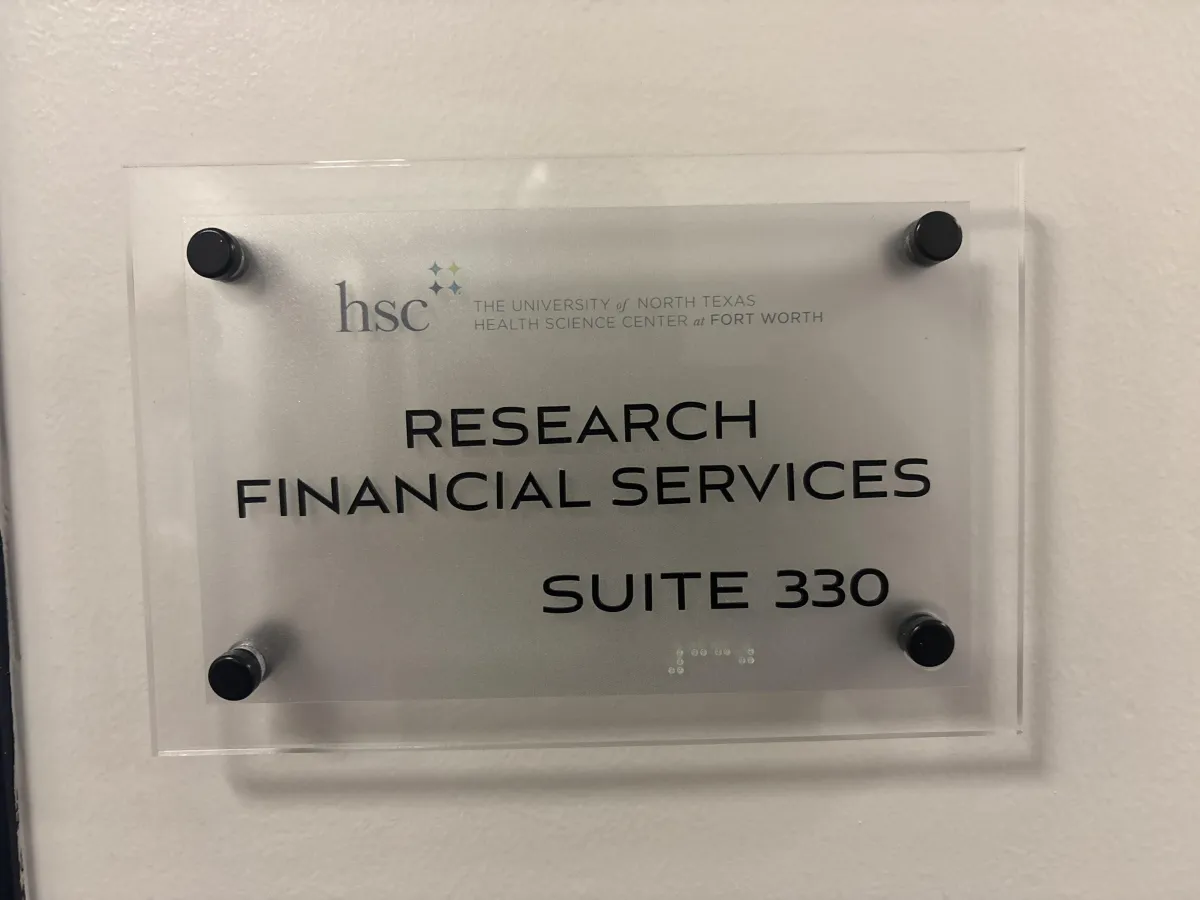
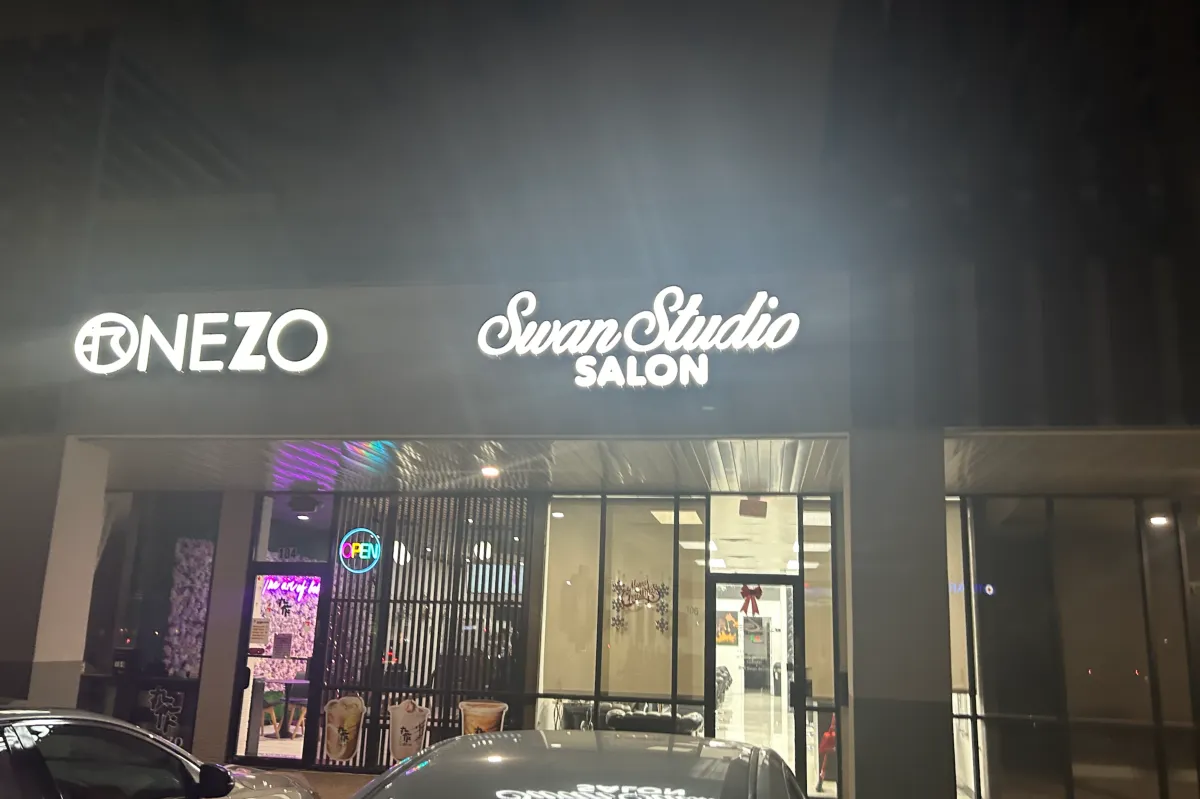
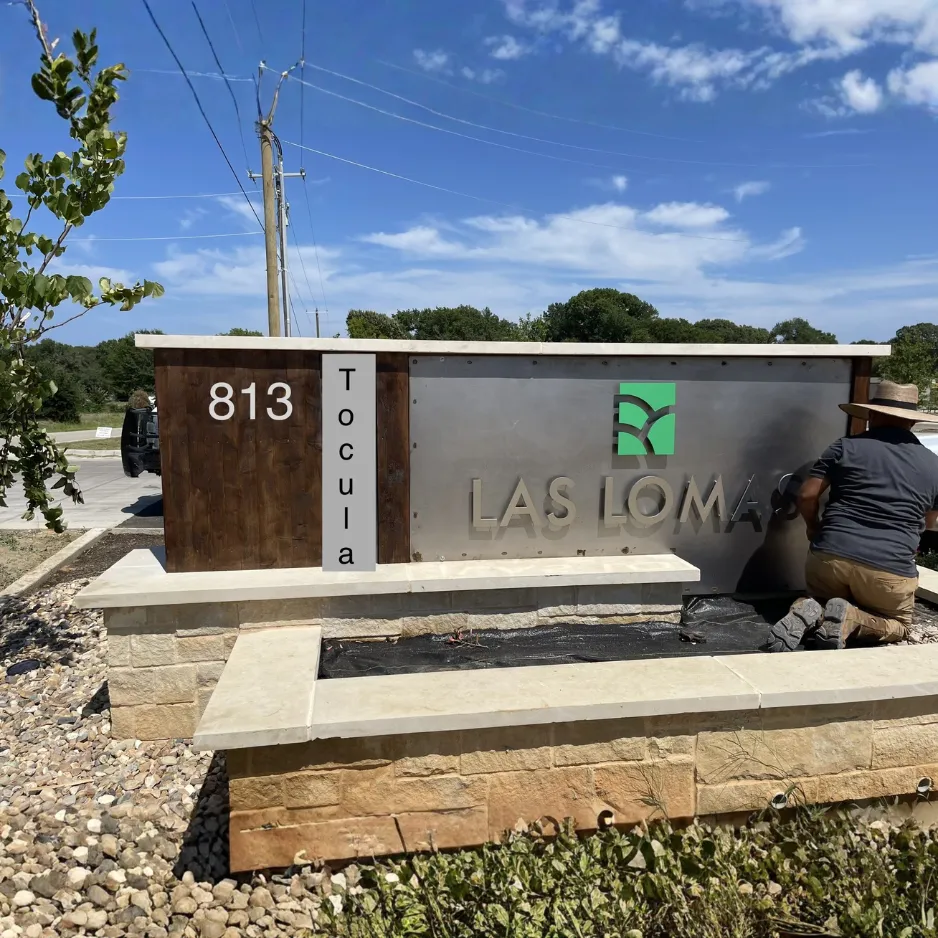
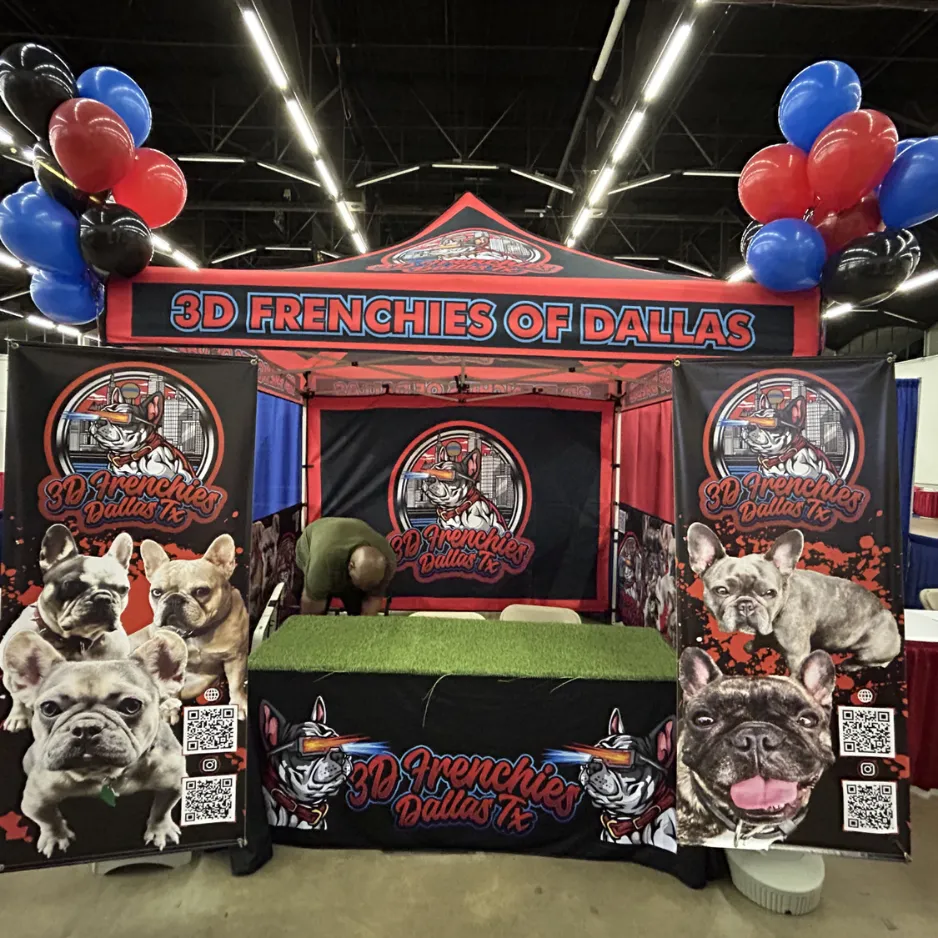
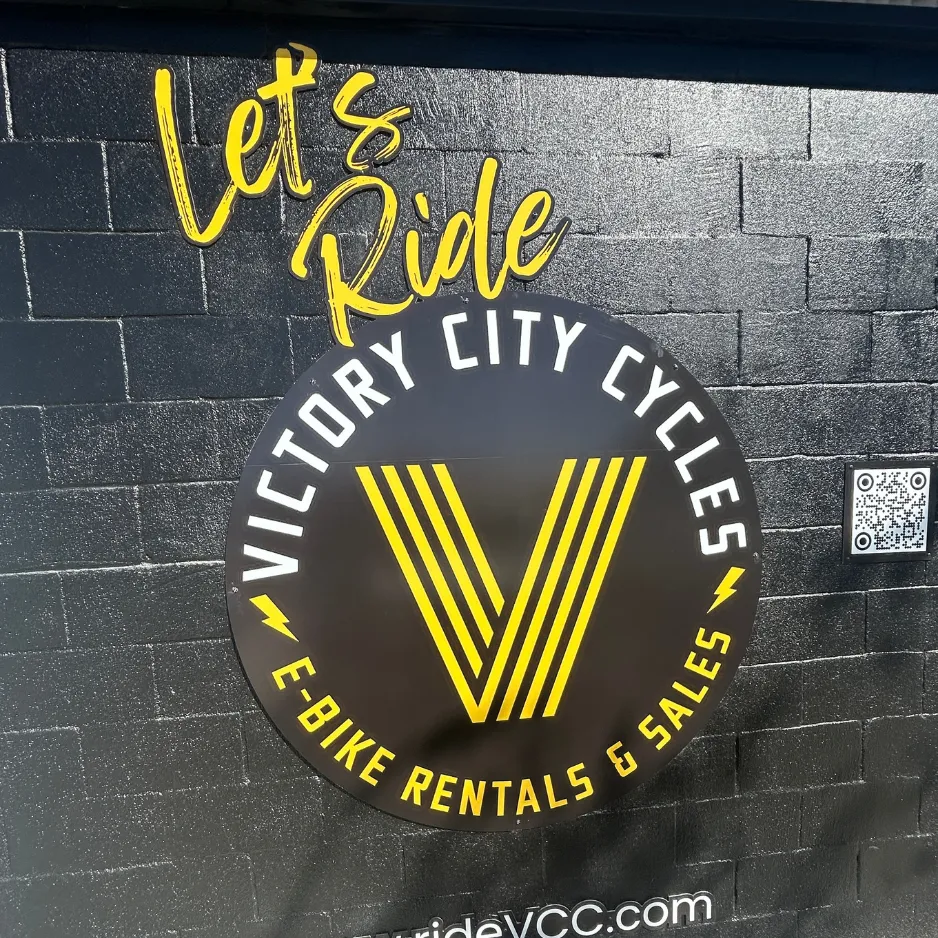
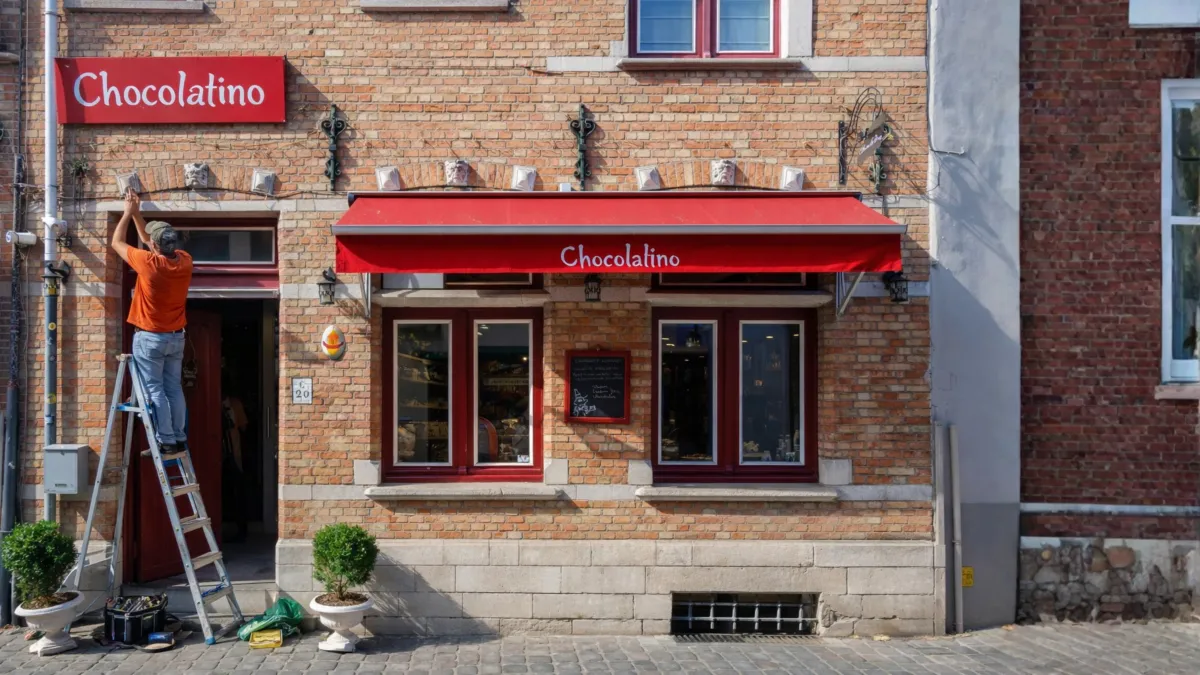
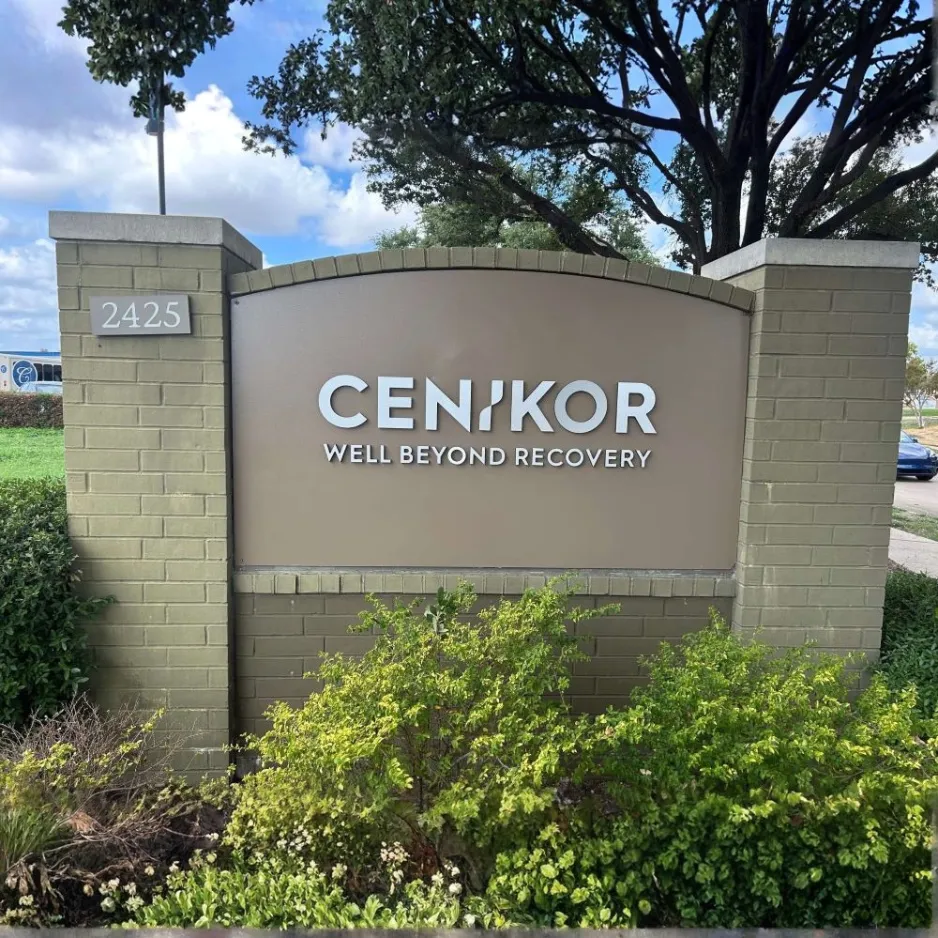
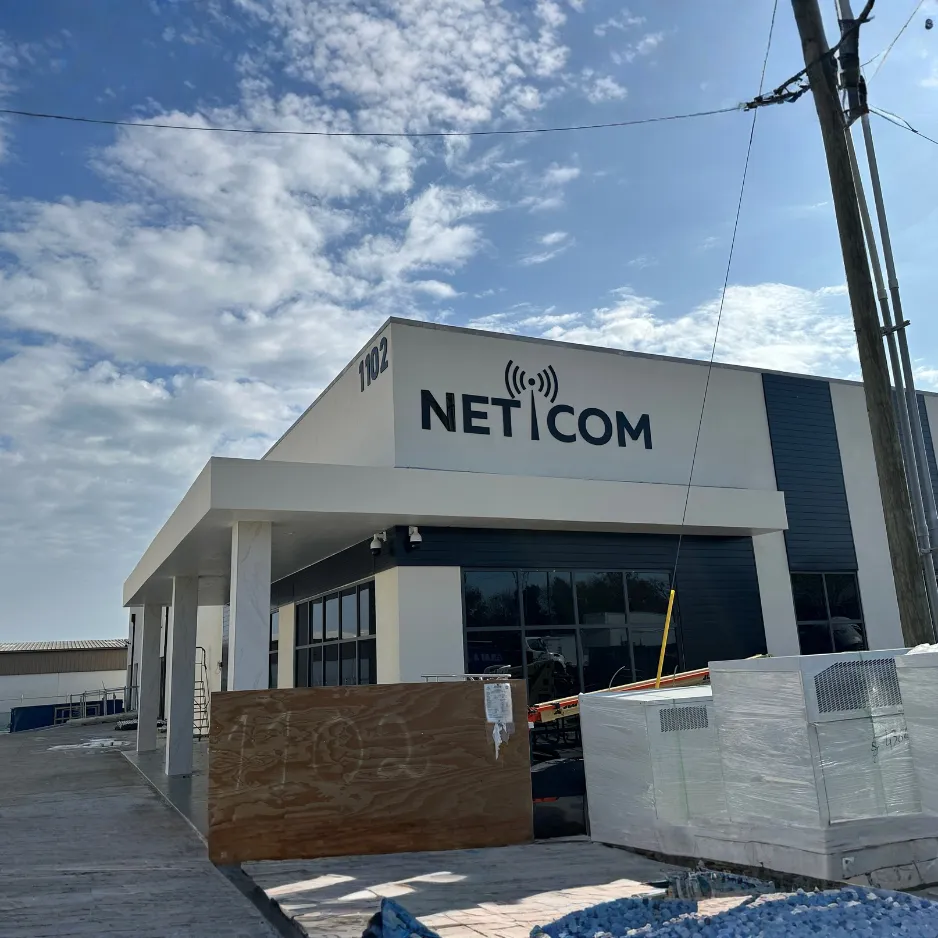
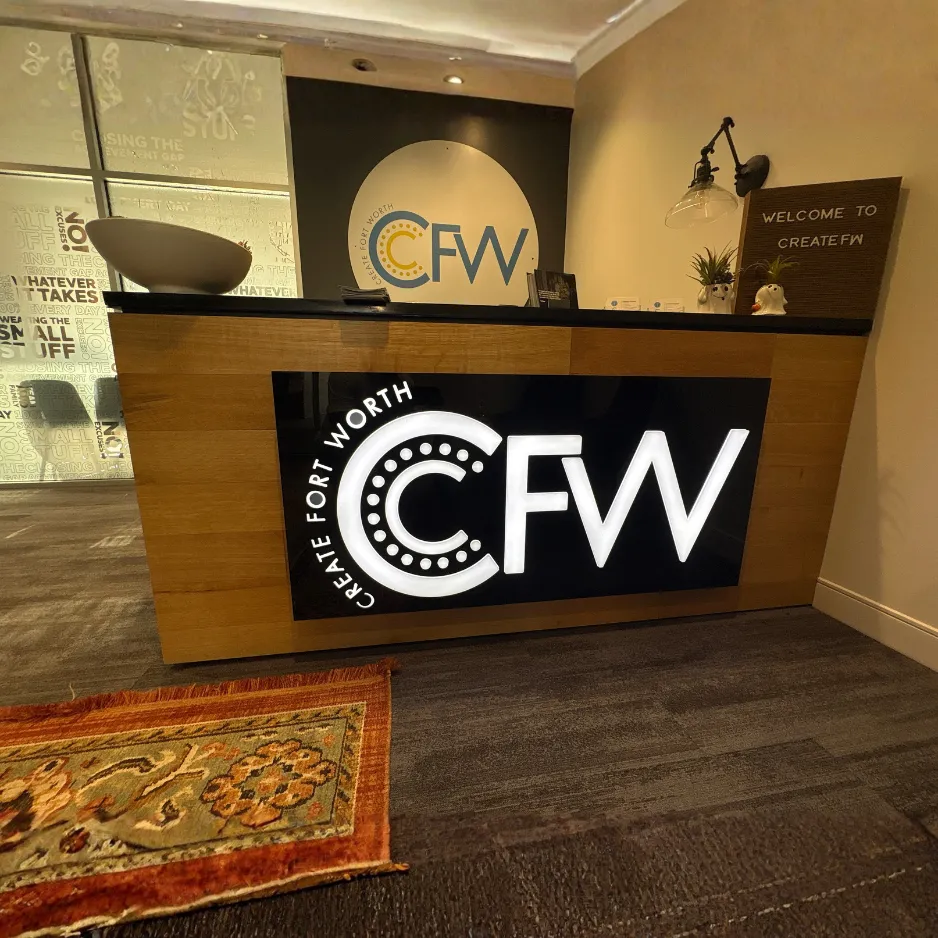
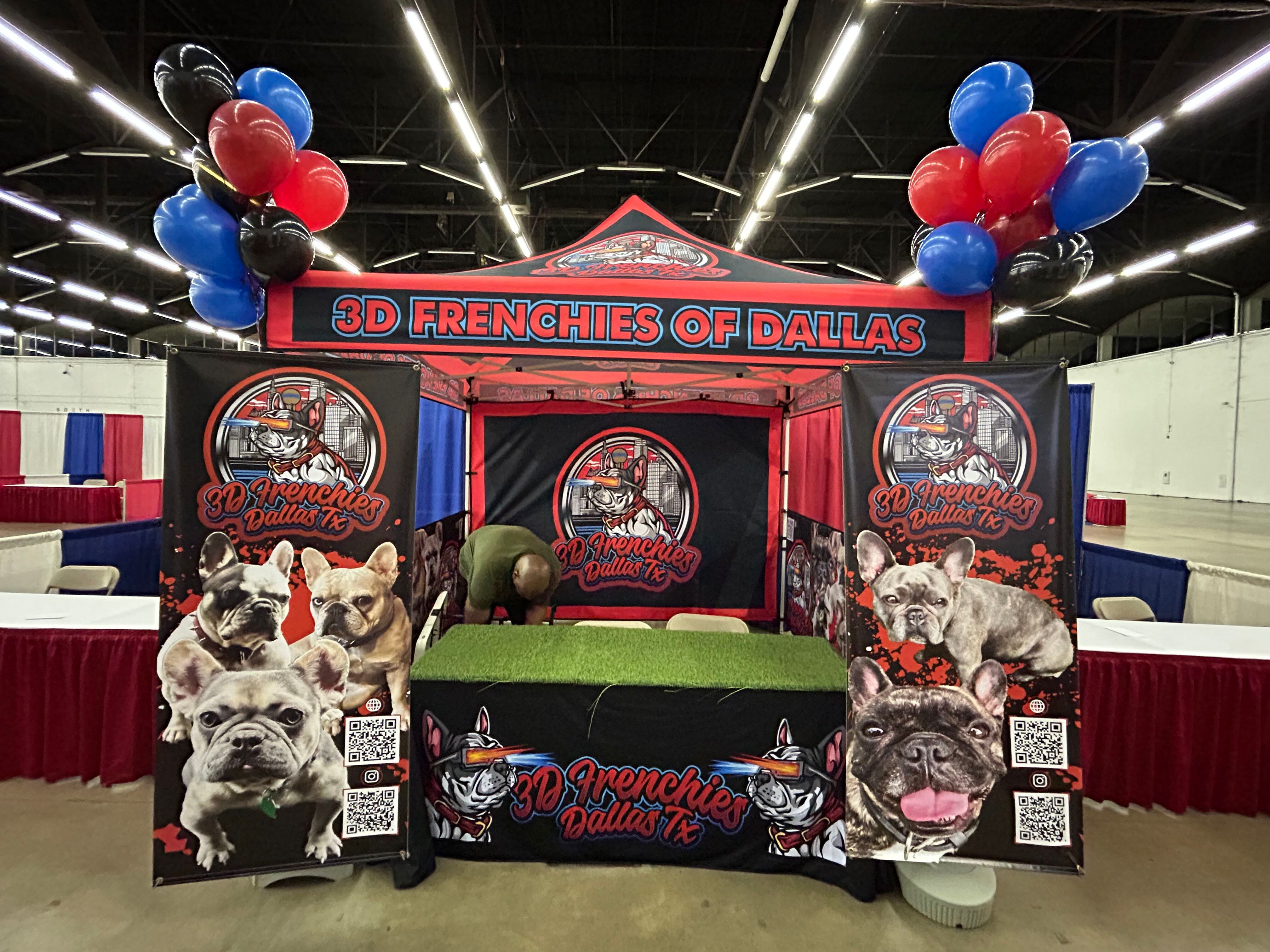
We have supported projects for corporate entities, municipalities and growing businesses throughout Dallas and surrounding communities.

Frequently Asked Questions About Commercial Signs in Fort Worth
Do businesses need permits for commercial signs in Fort Worth?
Many exterior business signs in Fort Worth require permits depending on the type, size and placement of the signage. Monument signs, illuminated building signs and large exterior branding signs are often regulated by local zoning rules. Planning signage early helps ensure designs comply with city requirements and property guidelines.
What types of commercial signs work best for Fort Worth businesses?
The most common signage solutions for Fort Worth businesses include channel letter signs for building visibility, monument signs for property entrances and lobby signs for interior branding. Retail stores, restaurants and office buildings often use a combination of exterior and interior signage to create a clear brand presence.
How long does it take to install commercial signage in Fort Worth?
Signage timelines vary depending on design complexity, permitting requirements and installation conditions. Exterior building signage projects typically involve design planning, fabrication and professional installation. Starting the process early helps keep timelines predictable.
What should businesses consider when planning signage for a Fort Worth location?
Businesses should evaluate visibility from surrounding roads, building placement, municipal regulations and brand presentation. Strategic signage planning ensures that signs are visible, compliant and aligned with the business identity.
Trusted by Businesses Across Fort Worth and Dallas
Elevated Exposure Signs and Graphics is committed to delivering high-quality, compliant signage solutions with integrity and professionalism.
Serving Greater Fort Worth and Surrounding Communities
In addition to Fort Worth, we serve businesses in:

Planning Signage for Your Fort Worth Business
If you are opening a new business location, upgrading your storefront signage or planning signage for a commercial property, our team can help you identify the best signage solution for your environment.

Electrical Signage Notice
Electrical Signage Notice: Elevated Exposure Signs and Graphics provides design, fabrication coordination, and project management services for illuminated signage. All electrical installation work is performed by properly licensed Texas electrical sign contractors in accordance with state and local regulations.
Copyright @2026 | Privacy Policy | Terms and Conditions | SiteMap