




Restaurant and Hospitality Signage in
Fort Worth and Dallas
Exterior and interior signage solutions that enhance visibility and guest experience.


Signage That Drives Guest Traffic
Restaurants and hospitality venues rely on strong exterior presence and cohesive interior branding to attract and guide guests.
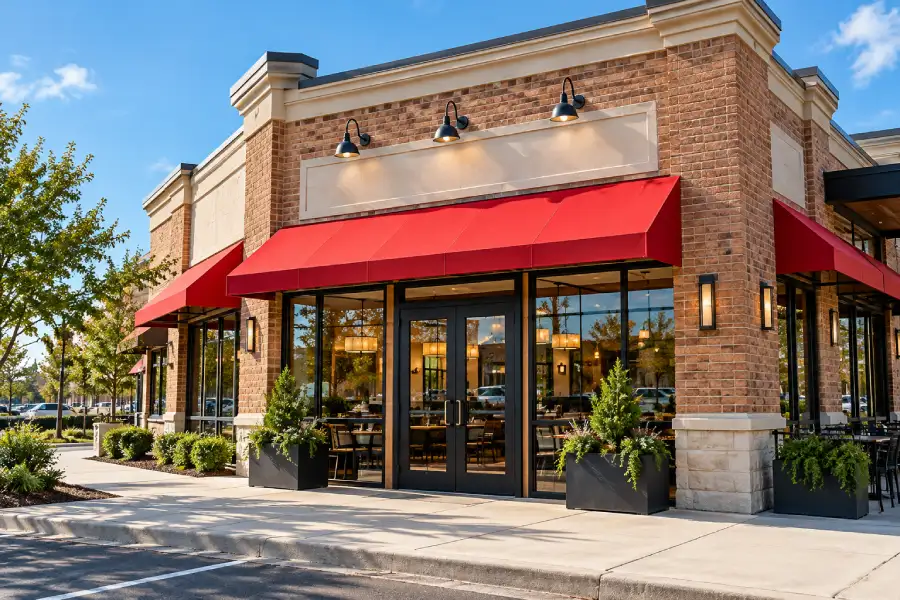
The exterior and interior signs a restaurant, bar, hotel or event venue uses to get noticed from the road, bring guests to the right entrance and guide them once they are inside. For most DFW venues that means an illuminated building sign, a tenant panel on the shopping center's monument or pylon sign, window and wall graphics, menu and directional signs, and the ADA room signs required in commercial buildings.
Elevated Exposure Signs and Graphics designs restaurant signage in Fort Worth and Dallas, coordinates its fabrication and manages installation from first sketch to final inspection. We also handle the parts owners tend to underestimate: landlord sign criteria, city permits, and the licensed electrical work every lit sign needs. If you are still collecting inspiration, our guide to restaurant signage ideas in Dallas-Fort Worth is a good place to start.
CORE SIGN SOLUTIONS
Hospitality Signage Solutions

Illuminated Building Signs
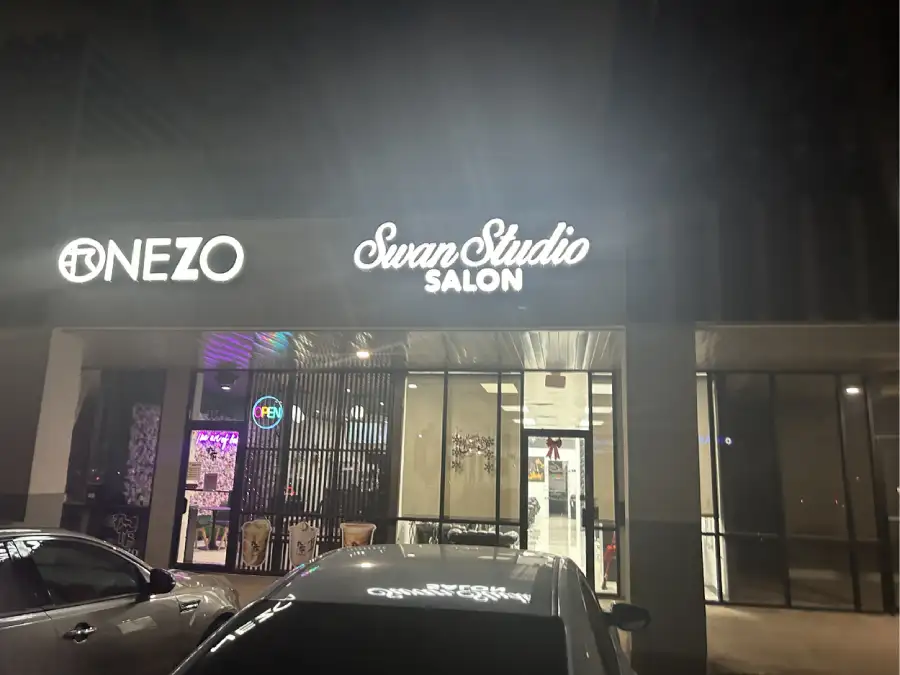
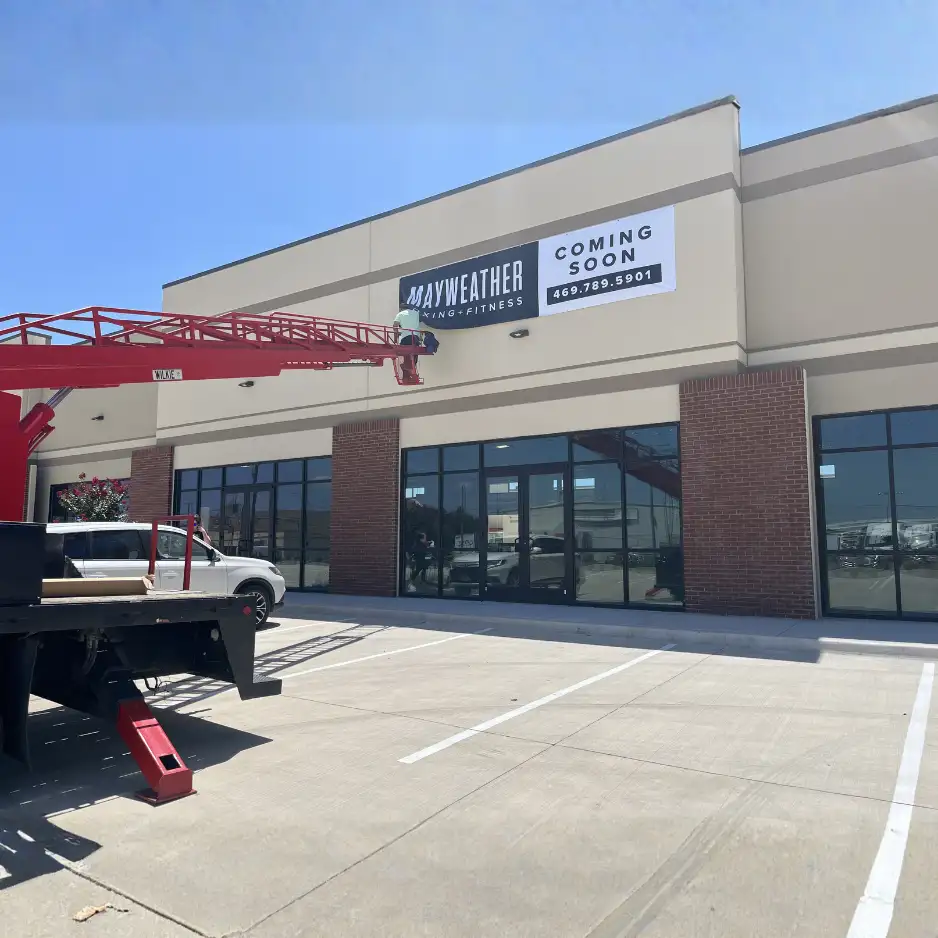
Channel letters: individually built letters, usually lit from inside with LEDs and mounted on the fascia above your entrance. They are the sign most diners see first after dark, so we size the letters to the distance and speed of the road in front of you, not only to the width of the wall. Front-lit, halo-lit and combination letters all work on restaurant facades, and our channel letter signs page shows how each one is built.
Monument Signs
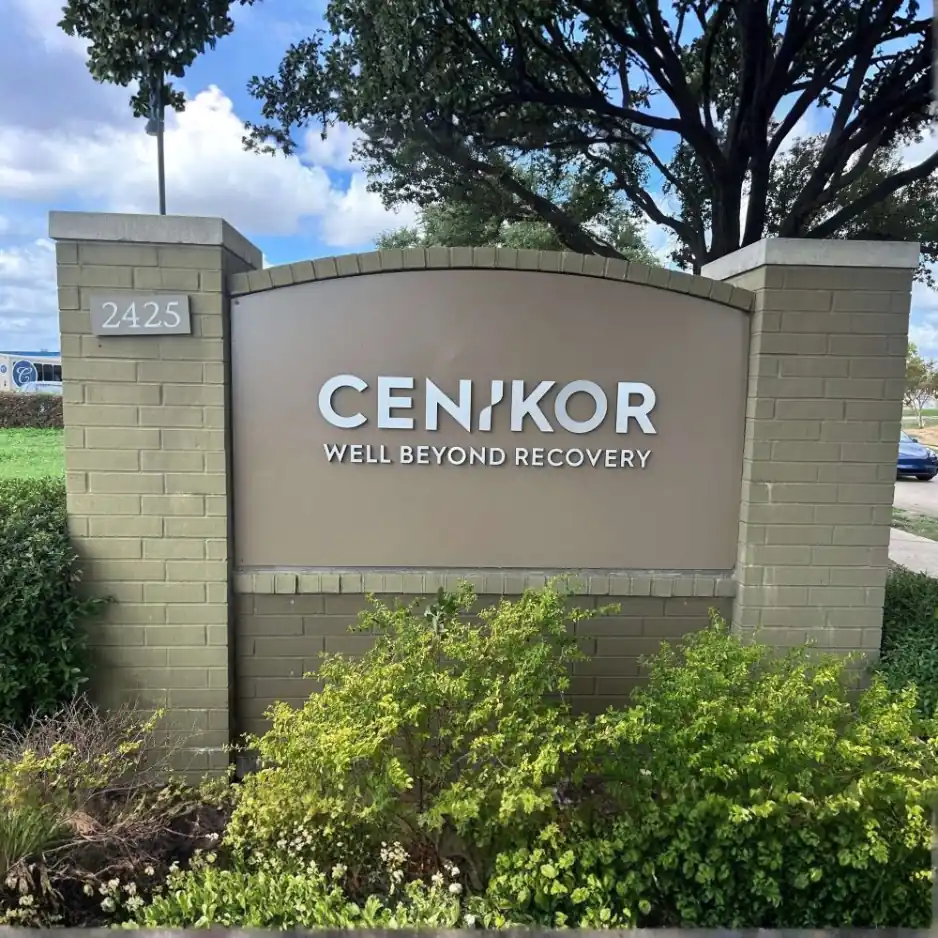
In a strip center or on a pad site, drivers often see the monument or pylon sign before they see the building. A restaurant tenant panel needs the name, and ideally the cuisine, readable at 40 miles per hour, with lettering sized for the panel instead of a full logo shrunk to fit. If you own the property, a dedicated monument sign at the drive entrance gives you a presence that does not compete with neighboring tenants.
Interior Wall Graphics
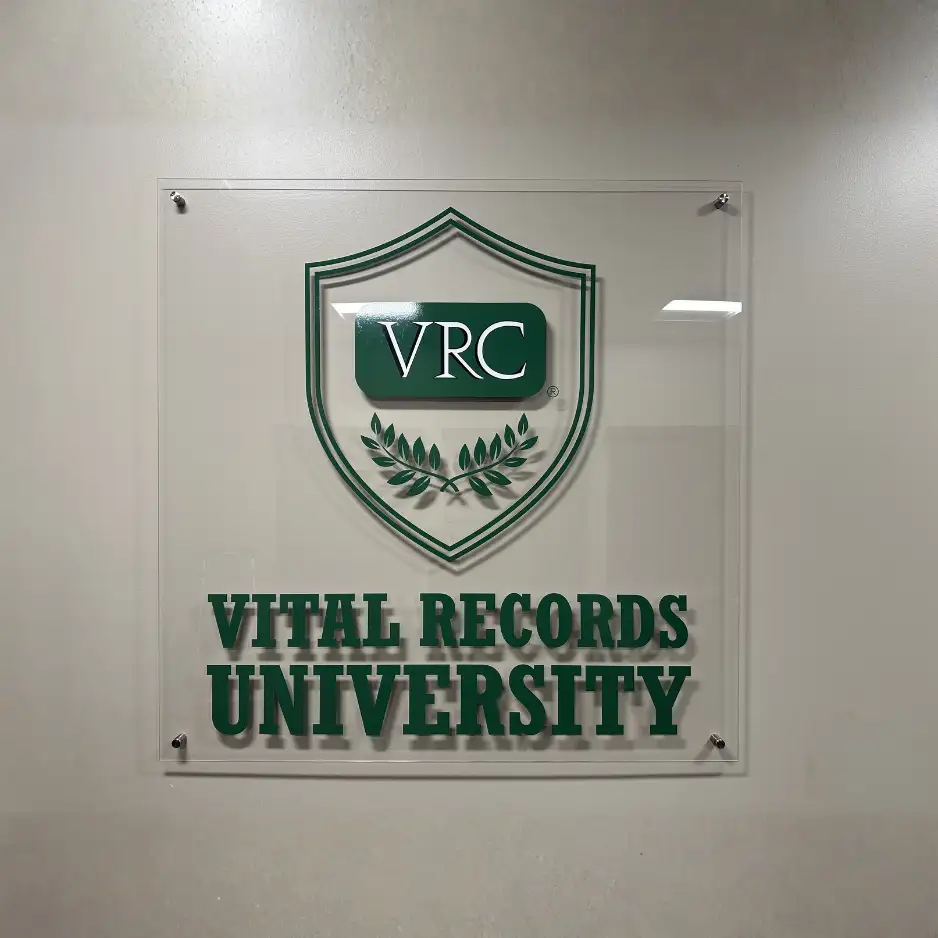
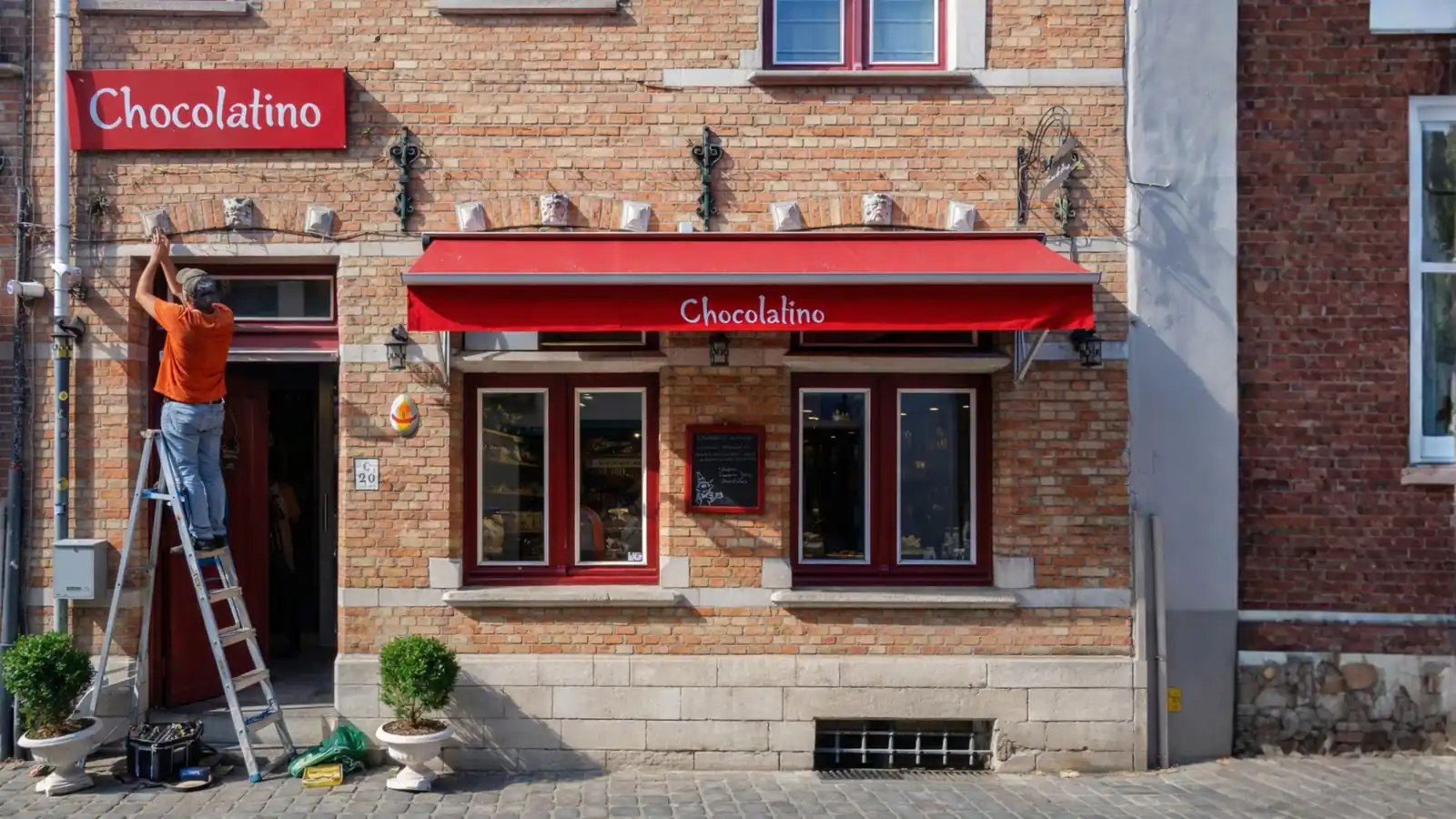
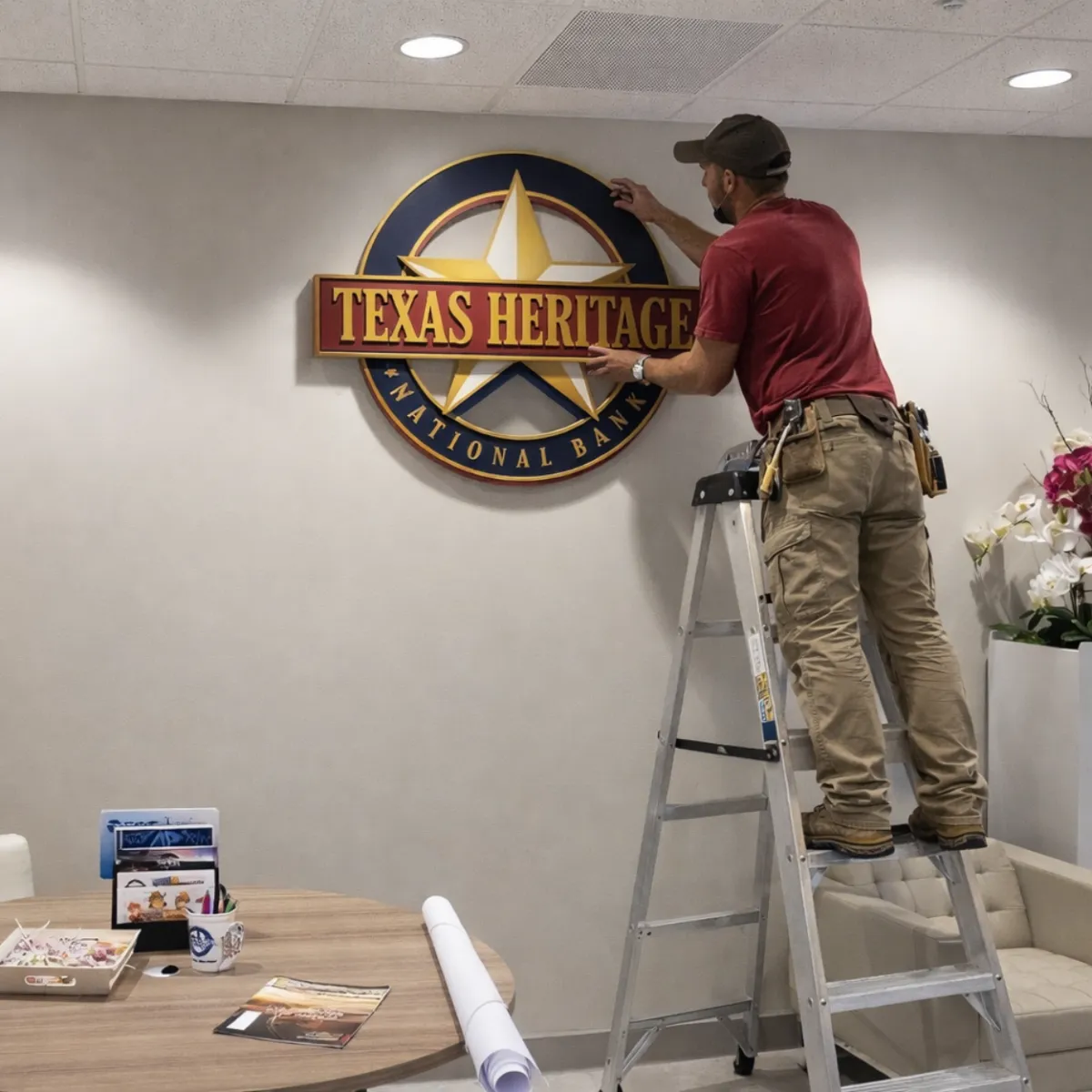
Inside, printed vinyl and dimensional logos carry the brand from the front door to the table. A logo wall behind the host stand, a mural that tells the story behind the menu, or frosted film that screens a private dining room changes how a space feels without a remodel. Our vinyl graphics and window branding are produced in commercial-grade films matched to the surface, whether that is drywall, brick, tile or glass.

Directional Signage
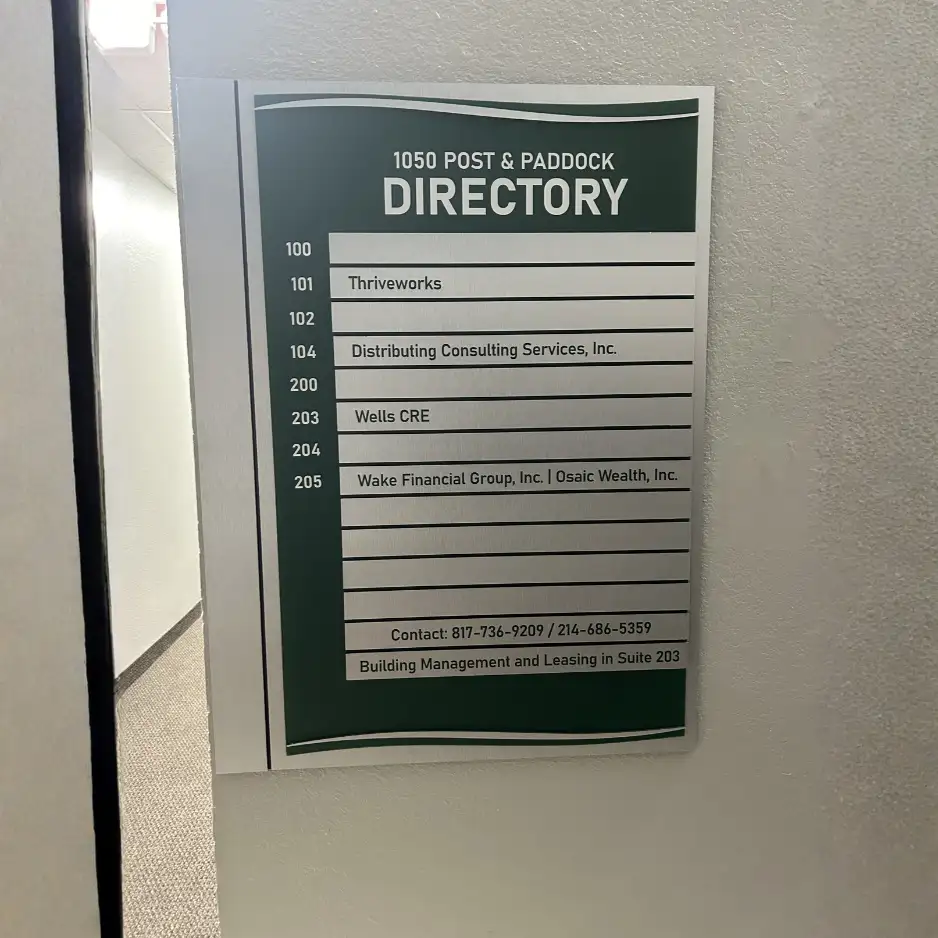
Guests should never have to ask where the restrooms, the patio or the pickup counter is. Directional and room signs answer those questions, and some of them are required: permanent rooms such as restrooms need tactile signs with raised characters and Braille under section 703 of the 2010 ADA Standards for Accessible Design. Hotels add room numbers, floor directories and amenity signs to the same system. Our ADA compliant signage page covers the specifications.

Event Signage
Grand openings, patio launches, wine dinners and catering booths all need short-run signs that still look like your brand. Retractable banners, sidewalk A-frames, step and repeat backdrops and window promotions turn around faster than permanent signage and can be stored for the next event. Hotels and event venues use the same pieces for conferences, weddings and sponsor recognition. See our event and trade show signage options.
Restaurant and Hospitality Signage by Venue Type
A taco shop with a drive-thru and a 200-room hotel both need signs, but almost nothing else about the two projects is the same. Here is how we plan signage for the main kinds of hospitality businesses we work with across Fort Worth and Dallas.
Quick-Service and Fast-Casual Restaurants
Speed of recognition decides everything here. Drivers need to spot the brand, the entrance and the drive-thru lane in a few seconds, so we focus on high-contrast channel letters, the pylon or monument panel, clearance bars and menu boards. Pickup signage has become its own category: a clear sign for online orders and delivery drivers keeps them out of the main line. Franchise locations also have to follow the brand's standards manual, which our franchise and multi-location signage team works from every day.
Full-Service Restaurants and Bars
Sit-down restaurants and bars sell an evening, so the sign has to set the mood before the door opens. Halo-lit letters, warm color temperatures and dimensional logos tend to fit better than bright cabinet signs. In walkable districts such as Near Southside and Sundance Square in Fort Worth or Bishop Arts and Deep Ellum in Dallas, a projecting blade sign often does more than a flat wall sign because people approach on foot. Projecting signs usually trigger extra city review, so we confirm what the district allows before design starts.
Hotels and Lodging
A hotel is a wayfinding project with a brand on top. Exterior identification and the porte cochere get guests to the right driveway, but most of the sign count is inside: lobby signs, elevator and floor directories, ADA room identification for every guest room, and directional signs to meeting rooms, the pool and the fitness center. We plan these as one family so a guest who learns the system in the lobby can find the ballroom without asking. Our article on wayfinding signage for multi-tenant properties explains the planning method.
Event Venues, Breweries and Entertainment
Venues with large sites and changing programs need a mix of permanent and temporary signs. A lit identity sign and parking directions stay put, while event panels, menu boards and sponsor graphics change by season. We design the permanent pieces with frames, rails or panels that make swapping the temporary graphics simple, so your staff can update a wall in an afternoon instead of calling us for every event.
Compliance and Property Coordination
Hospitality signage must often align with landlord requirements and municipal standards.
Compliance and Property Coordination
Hospitality signage must often align with landlord requirements and municipal standards.
Most DFW restaurants lease their space, and the lease almost always includes sign criteria: approved sign types, maximum letter heights, colors, illumination and mounting details. We read those criteria first and send drawings to the landlord for approval before anything is fabricated. A design the landlord rejects after production costs money and, worse, opening-day time.
Then comes the city. Dallas takes sign permit applications through its DallasNow online system, and our Dallas sign permit guide lists the conditions that trigger a permit, including illuminated signs and signs projecting more than 18 inches from a building. Fort Worth applies its own rules by zoning district, which the Fort Worth sign permit guide walks through. Arlington, Plano, Grapevine and the other suburbs each have separate ordinances, and historic or special sign districts can add one more review.
Electrical sign contractor: a business licensed by the Texas Department of Licensing and Regulation (TDLR) to install and connect electric signs. Every illuminated sign we deliver is wired by a licensed electrical sign contractor, and we coordinate with your general contractor so power is waiting at the sign location instead of being added after the wall is finished.
This part of the work is where our background shows. Founder Keith Mensah holds a master's degree in City and Regional Planning, so reading a sign ordinance and talking through a plan review comment is familiar ground for our team, not a hurdle we pass to the client.
How a Restaurant Signage Project Works
Restaurant signage projects in Dallas-Fort Worth follow six steps, and the first four happen before any metal is cut:

Site visit and visibility check
We look at the facade, the road speed, sightlines from both directions and where electrical service is available.

Design and scaled drawings
You get drawings with dimensions, materials, colors and illumination, shown on a photo of your actual building.

Landlord approval
We submit the drawings against your lease's sign criteria and make any revisions the landlord requests.

City permit
We prepare and file the permit application with the city where your restaurant is located.

Fabrication
Production starts once the permit and landlord approval are in hand, so nothing is built to a design that could still change.
Installation and inspection
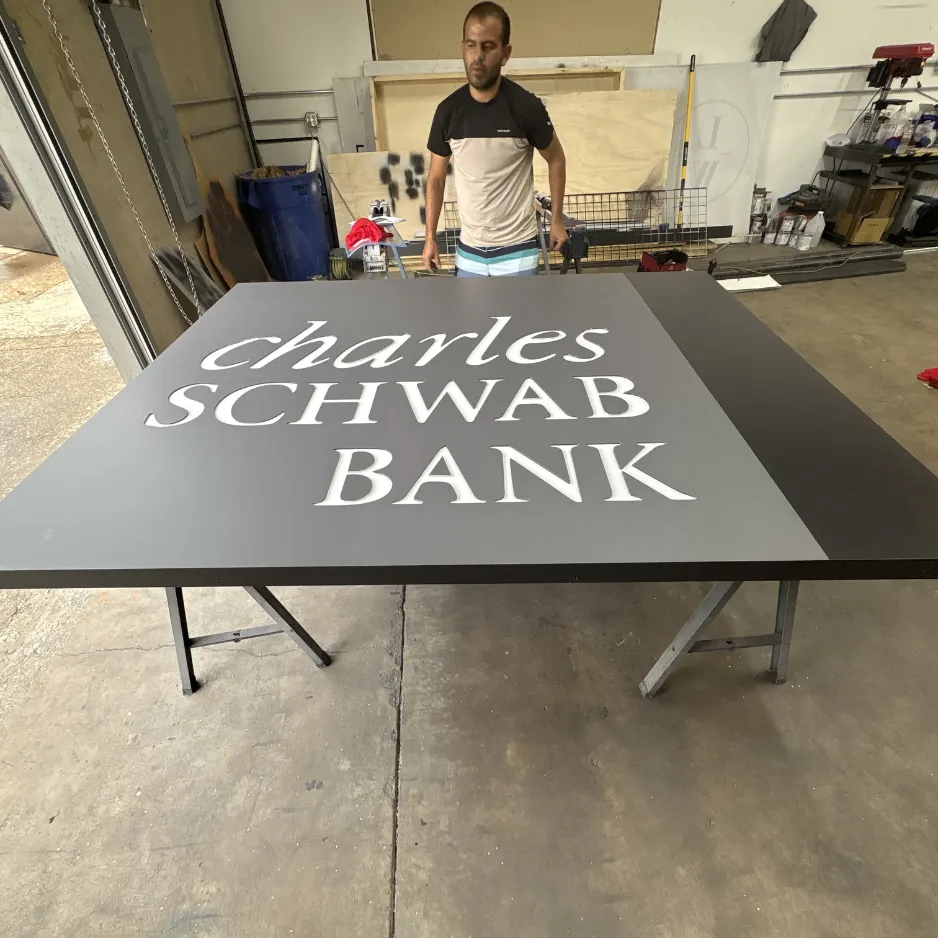
Our crew mounts the sign, a licensed electrical sign contractor connects it, and the city inspects it where required.
Your opening date drives the whole schedule. The most common mistake we see is starting signage when the kitchen equipment arrives instead of when the lease is signed. Permit review and fabrication each run on their own clock, and a dark storefront on opening weekend is an expensive way to learn that.
What Affects the Cost of Restaurant Signs in DFW
Restaurant sign pricing depends on the site more than on the sign type, which is why we quote after a site visit instead of from a price list. These factors move the number the most:
Size and letter height, which follow from how far away the sign has to be read.
Illumination, since lit signs need LED modules, power supplies and licensed electrical work.
Mounting conditions, including wall material, height and whether the job needs a lift or a crane.
Power at the sign location, because adding a circuit after construction costs more than planning one in.
Landlord and brand specifications that call for specific materials, colors or finishes.
Number of signs, since a full package of exterior, interior and ADA signs shares design time, permits and trips.
Our commercial sign cost guide explains each factor in more detail. For a number you can budget around, request a free estimate and we will price your actual site.
Frequently Asked Questions
Do illuminated restaurant signs require permits?
Most exterior illuminated signs require review. In Dallas, illuminated signs and signs with electrical components need a sign permit, and Fort Worth and the surrounding cities review most lit exterior signs as well. Your landlord usually has to approve the design before the city application goes in. We prepare the drawings and handle both submissions for you.
How long does fabrication take?
Project timelines vary based on scope. The biggest variables are landlord approval and permit review, which happen before fabrication starts, plus the size and number of signs. A single set of channel letters moves faster than a full package with a monument panel, interior graphics and ADA signs. We give you a schedule tied to your opening date when we send the estimate.
What signs does a new restaurant need before opening?
Most new restaurants need four kinds of signs before opening: an exterior identity sign on the building, a tenant panel on the center's monument or pylon sign if there is one, door and window graphics with hours, and room signs for restrooms and other permanent spaces. Menu boards, directional signs and patio signs come next, depending on the concept. Planning them together keeps the brand consistent and saves separate design and installation trips.
Can you work within my landlord's sign criteria?
Yes, we design every restaurant sign within the criteria in your lease and get landlord approval before fabrication. When the criteria allow options, such as halo-lit or front-lit letters, we show you how each one looks on a photo of your facade so you can choose with confidence.
Do you make signs for hotels and bars as well as restaurants?
Yes, we handle signage for hotels, bars, breweries, coffee shops and event venues across Fort Worth and Dallas. Hotels usually need more interior work, such as lobby signs, ADA room identification and wayfinding to meeting spaces. Bars and entertainment venues lean more on illuminated exterior signs.
Can you follow franchise brand standards?
Yes, we produce franchise restaurant signs to the brand's standards manual and adapt them to local permit rules and landlord criteria. Those local rules sometimes limit sign size or illumination compared with the prototype drawings, so we flag any conflict early and help you get the brand's approval for the adjustment.
What areas do you serve for restaurant signage?
We serve restaurants and hospitality businesses across Dallas-Fort Worth from our office in downtown Fort Worth. That includes Dallas, Arlington, Grand Prairie, Irving, Plano, Grapevine, Hurst, Bedford, North Richland Hills and Saginaw.
Trusted by Businesses Across Fort Worth and Dallas
For restaurant owners, that means one point of contact from the first site visit to the final inspection. We work out of downtown Fort Worth and serve restaurants, bars and hotels across the Metroplex, from our Fort Worth sign company office to clients we support as a Dallas sign company. You can browse recent installations in our portfolio, and we are glad to talk through what a similar project would involve at your location.
Elevated Exposure Signs and Graphics is committed to delivering high-quality, compliant signage solutions with integrity and professionalism.
Elevate Your Restaurant Visibility
Opening a new location, rebranding, or replacing a sign that has started to fade? Send us your address and a few notes about your concept. We will review the site, check the landlord and city requirements, and give you a written estimate with a schedule built around your opening date.



Electrical Signage Notice
Electrical Signage Notice: Elevated Exposure Signs and Graphics provides design, fabrication coordination, and project management services for illuminated signage. All electrical installation work is performed by properly licensed Texas electrical sign contractors in accordance with state and local regulations.
Copyright @2026 | Privacy Policy | Terms and Conditions | SiteMap