




Dallas Sign Permit Guide for Commercial Businesses
Understanding Dallas sign permit requirements, zoning rules and commercial signage regulations.
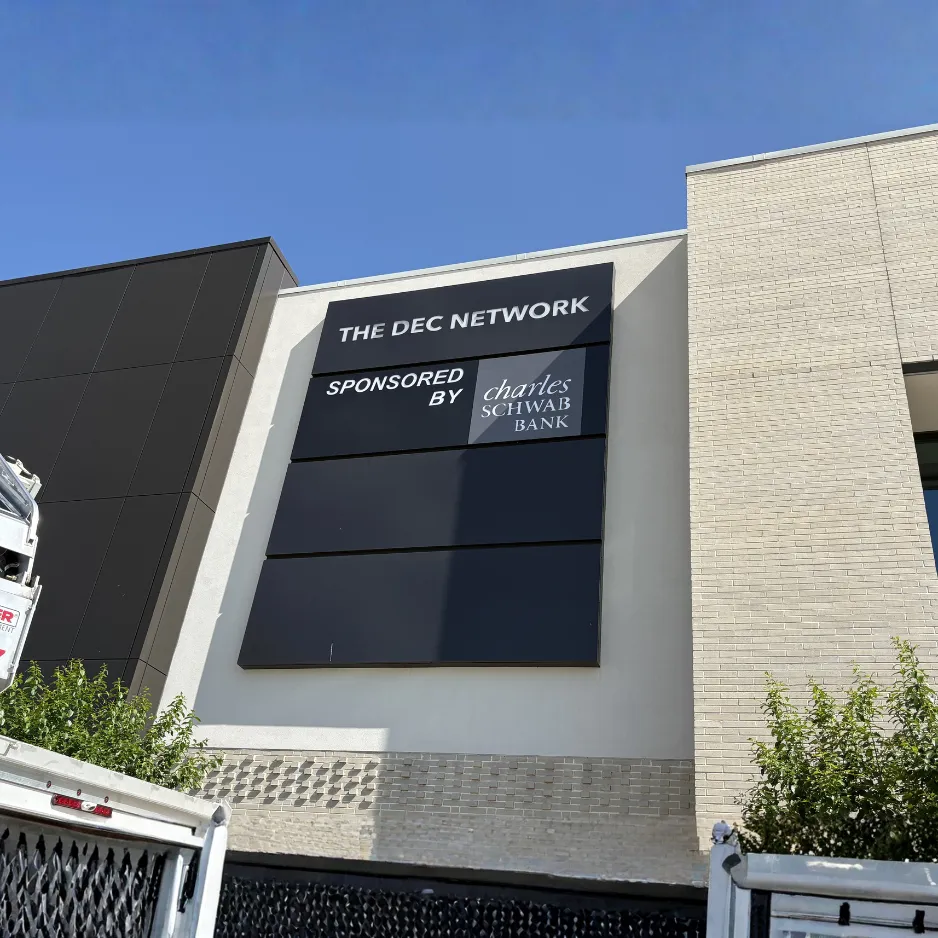

Understanding Sign Permits in Dallas
Businesses installing exterior signage in Dallas must follow local sign regulations established in the Dallas Development Code. These rules regulate sign size, placement, illumination and structural requirements to maintain safety and visual consistency throughout the city.
Planning signage early in the process helps businesses avoid delays and ensures the sign design meets local zoning regulations.
Elevated Exposure Signs and Graphics works with businesses across Dallas to help navigate signage planning and ensure projects align with local regulations and property requirements.
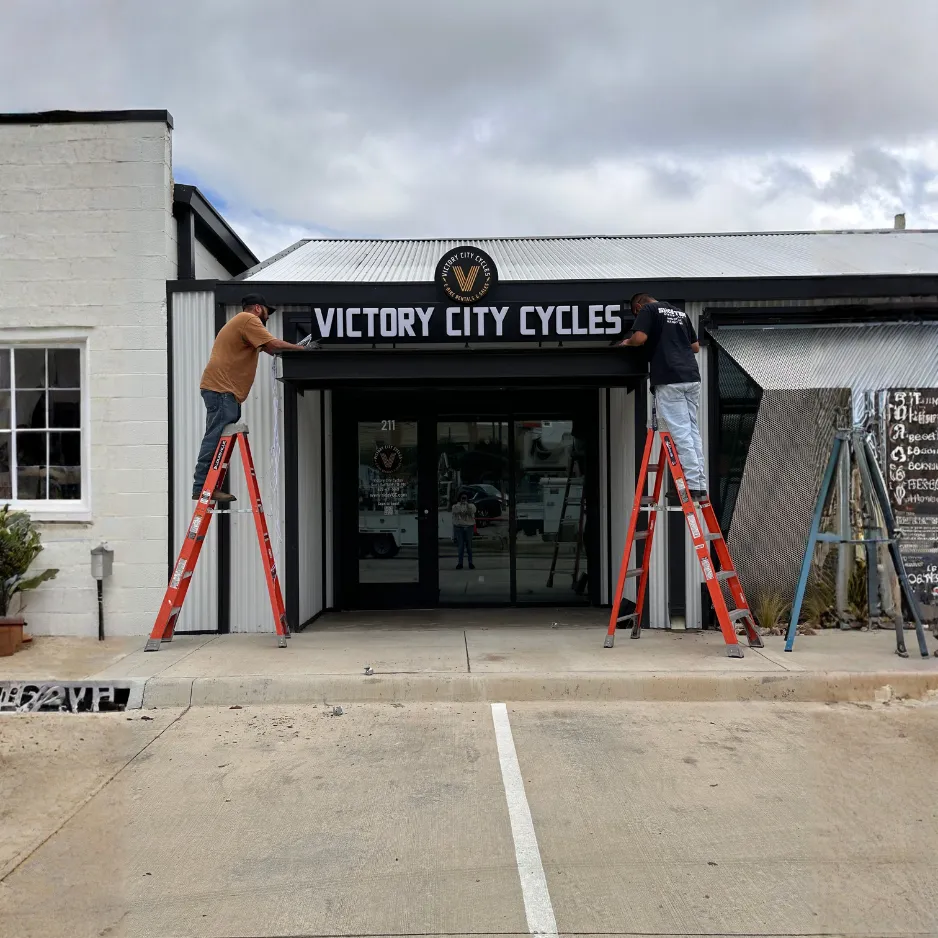
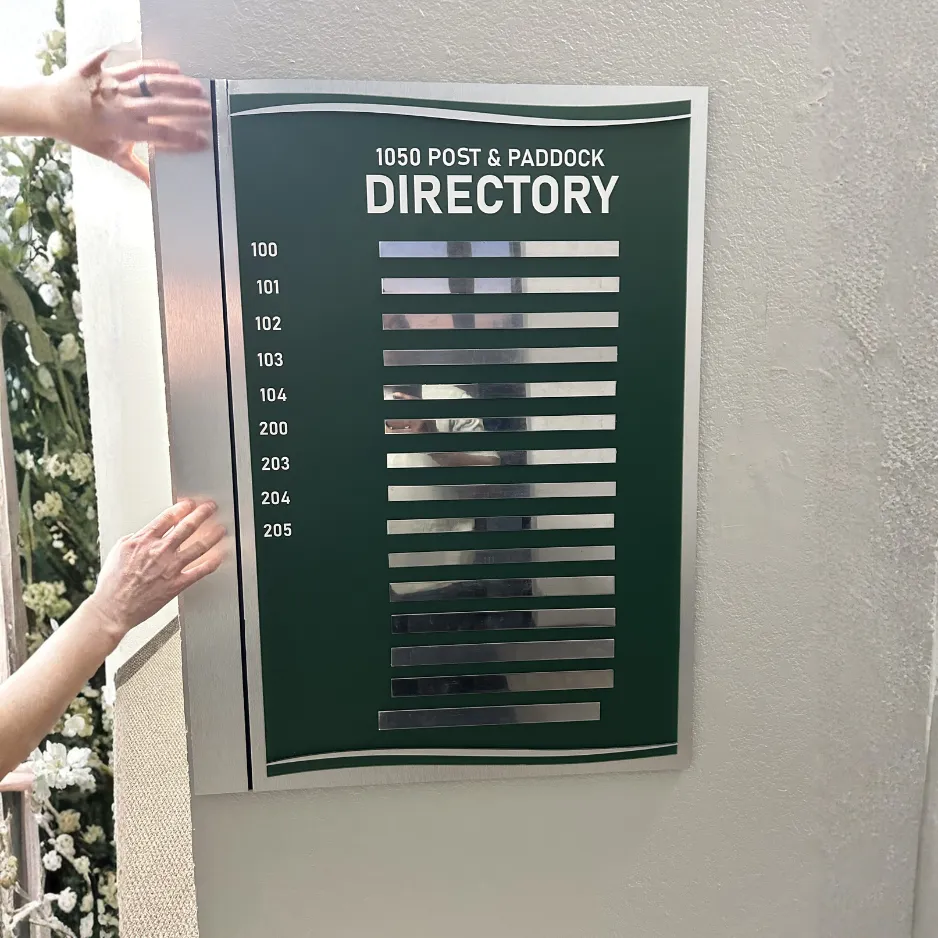
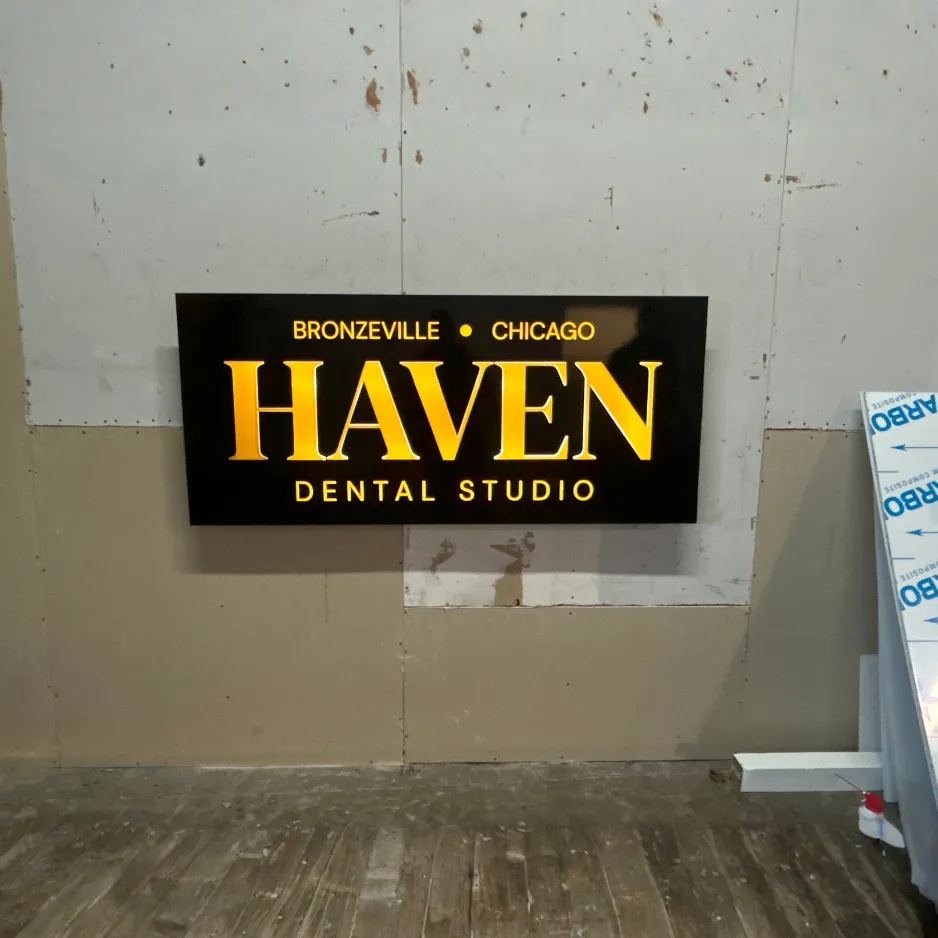
When a Sign Permit Is Required in Dallas
Most commercial signs require a permit before installation. As a local Dallas sign company, Elevated Exposure Signs and Graphics works with businesses across Dallas to help navigate signage planning and ensure projects align with local regulations.
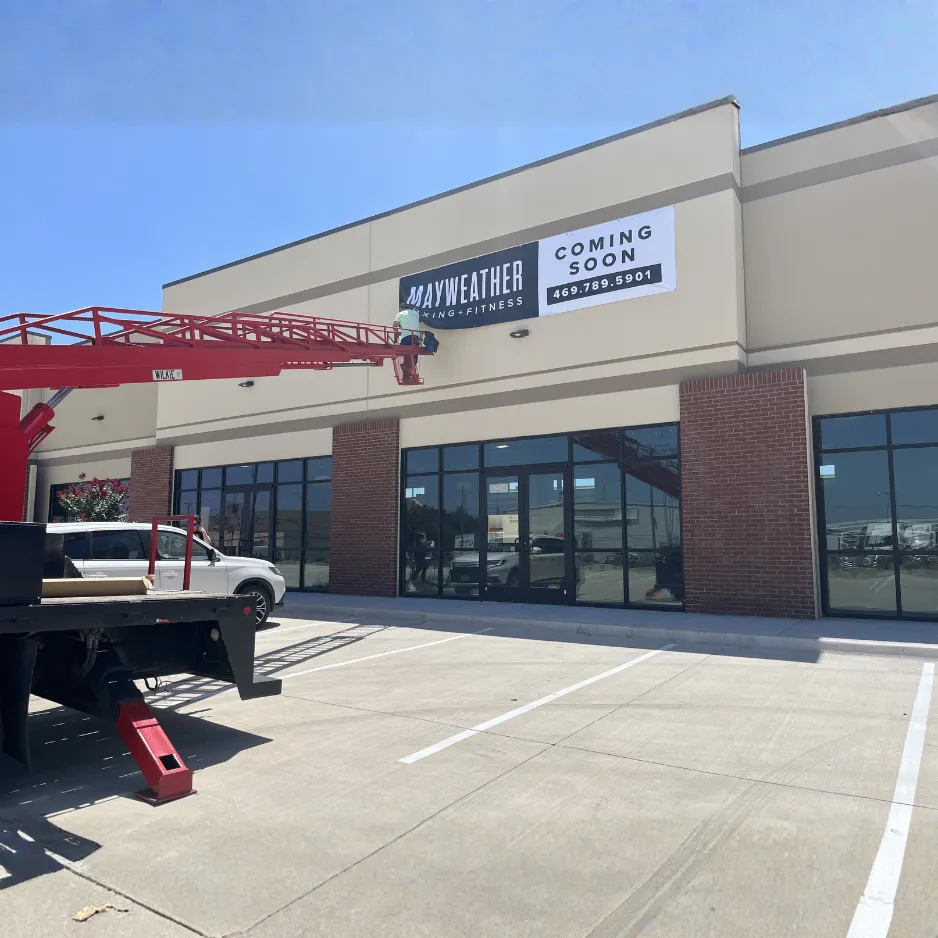
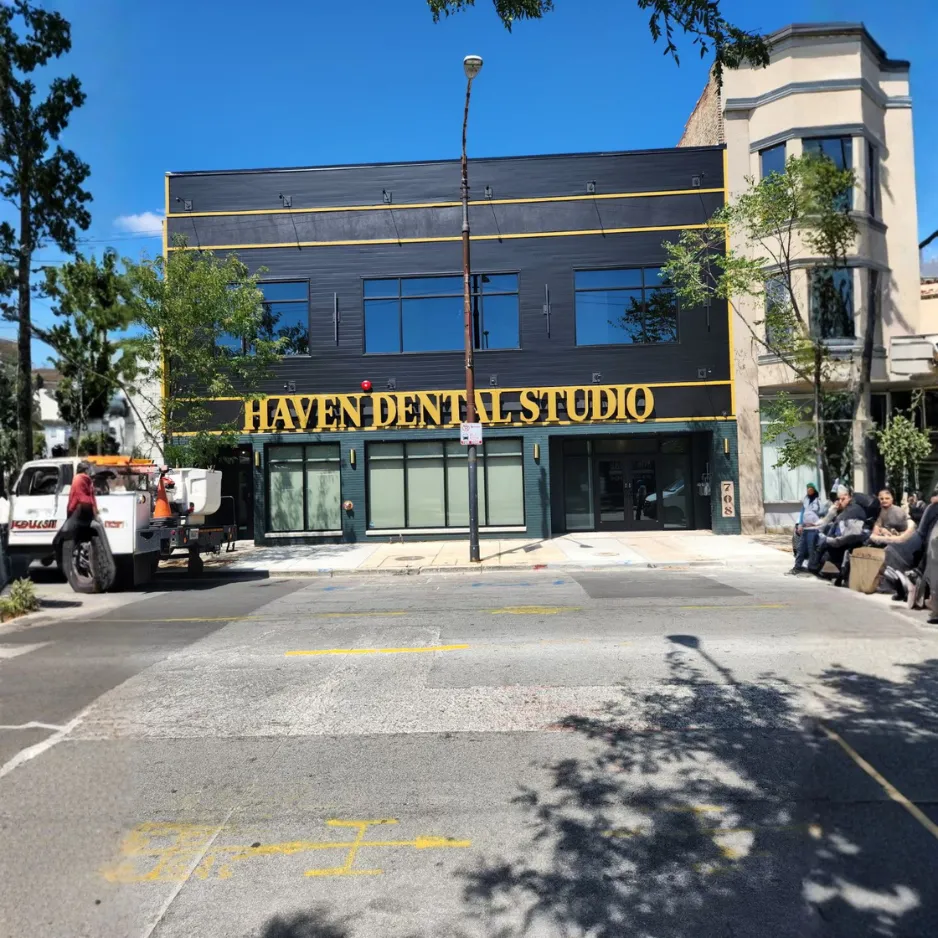
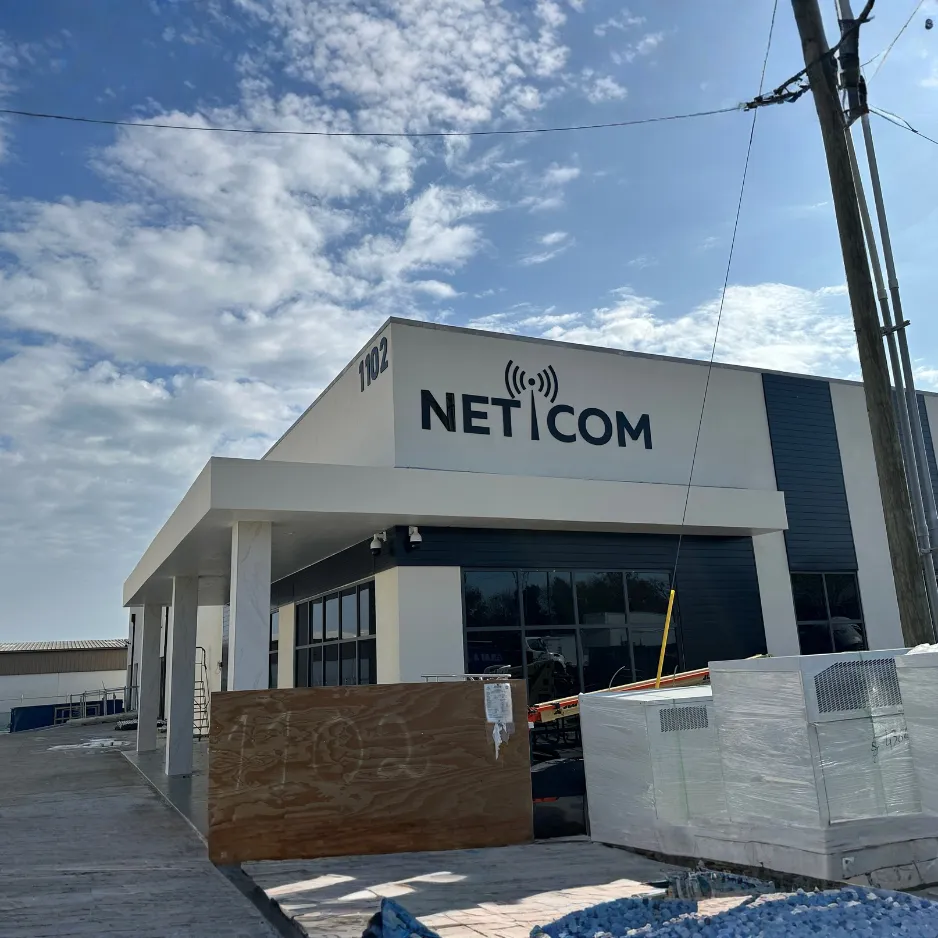
These requirements apply to many types of commercial signage including channel letter signs, monument signs and large building signage.
Under Dallas city code, a permit is typically required for signs that meet certain conditions including:
Signs with an effective area greater than 20 square feet
Signs taller than eight feet
Illuminated signs or signs with electrical components
Signs with moving elements
Signs projecting more than 18 inches from a building surface
Signs located within or over a public right of way
These requirements apply to many types of commercial signage including channel letter signs, monument signs and large building signage.
Typical Dallas Sign Permit Process
Businesses typically follow several steps when obtaining a sign permit.

Confirm Zoning
Requirements
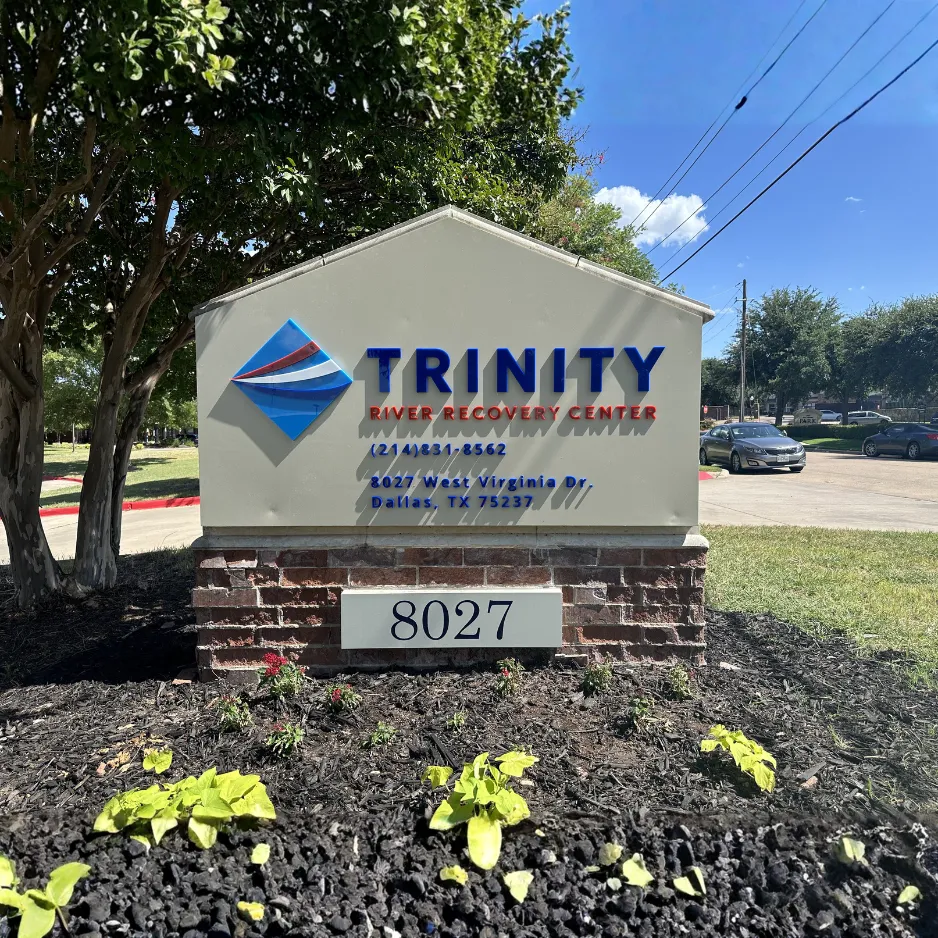
Sign regulations vary depending on the zoning district where the property is located. Some areas may also include special sign districts or historic preservation rules.

Prepare Sign Design Documents
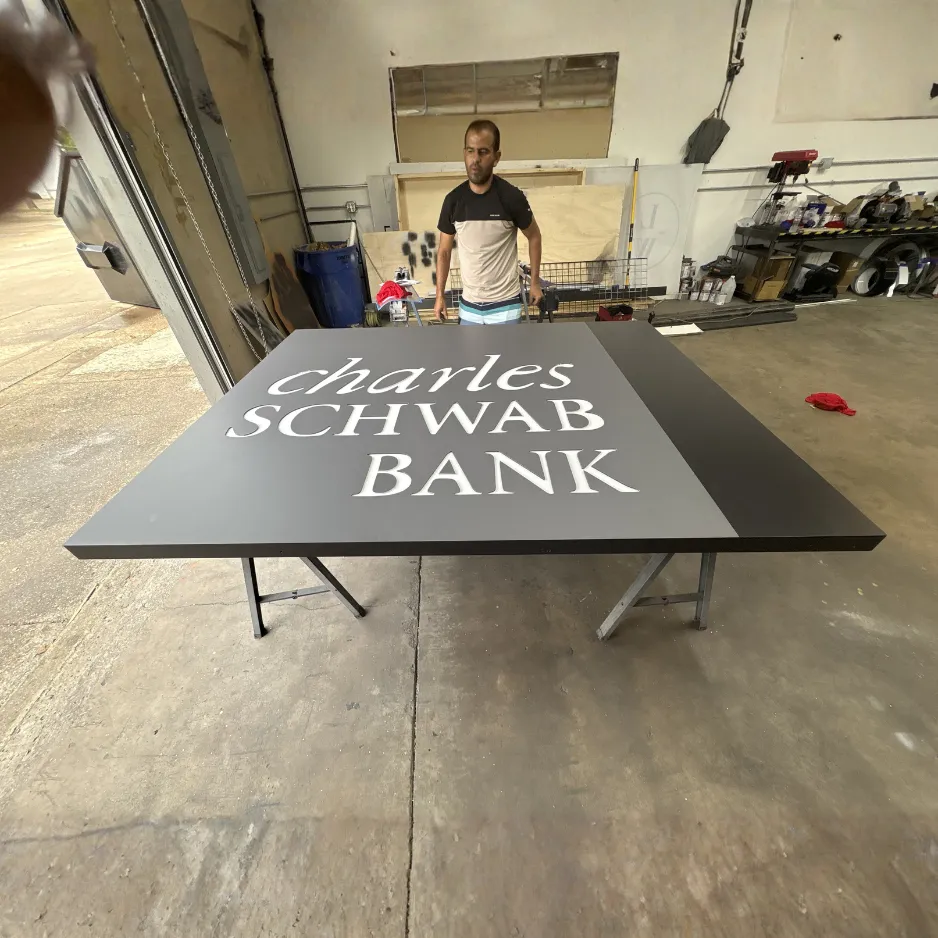
Permit applications generally require drawings showing sign dimensions, placement and illumination details.

Submit Application
Through DallasNow
The City of Dallas uses an online permitting system called DallasNow where plans and documentation are submitted for review.


Permit Review and Approval
Permit reviews typically occur within a few business days if the application includes all required documentation.


Sign Installation and Inspection
Once installed, the sign must be inspected to ensure it matches
the approved permit design.
Factors That Affect Dallas Sign Approval
Factors That Affect Dallas Sign Approval
Several factors may influence sign permit approval.
Sign size and square footage
Sign height above ground
Illumination type
Placement relative to roads and sidewalks
Zoning district restrictions
Historic district or special sign district regulations
Because each property is different, businesses should confirm regulations before fabrication begins.
How Businesses Use Commercial Signage in Dallas
Businesses across Dallas rely on professional signage to establish visibility and communicate with customers.

Retail Storefront Visibility
Retail businesses depend on exterior signage to attract customers in busy commercial districts.

Restaurant and Hospitality Branding
Restaurants use signage to create recognizable brand identity and guide customers to entrances.

Corporate Offices and Business Parks
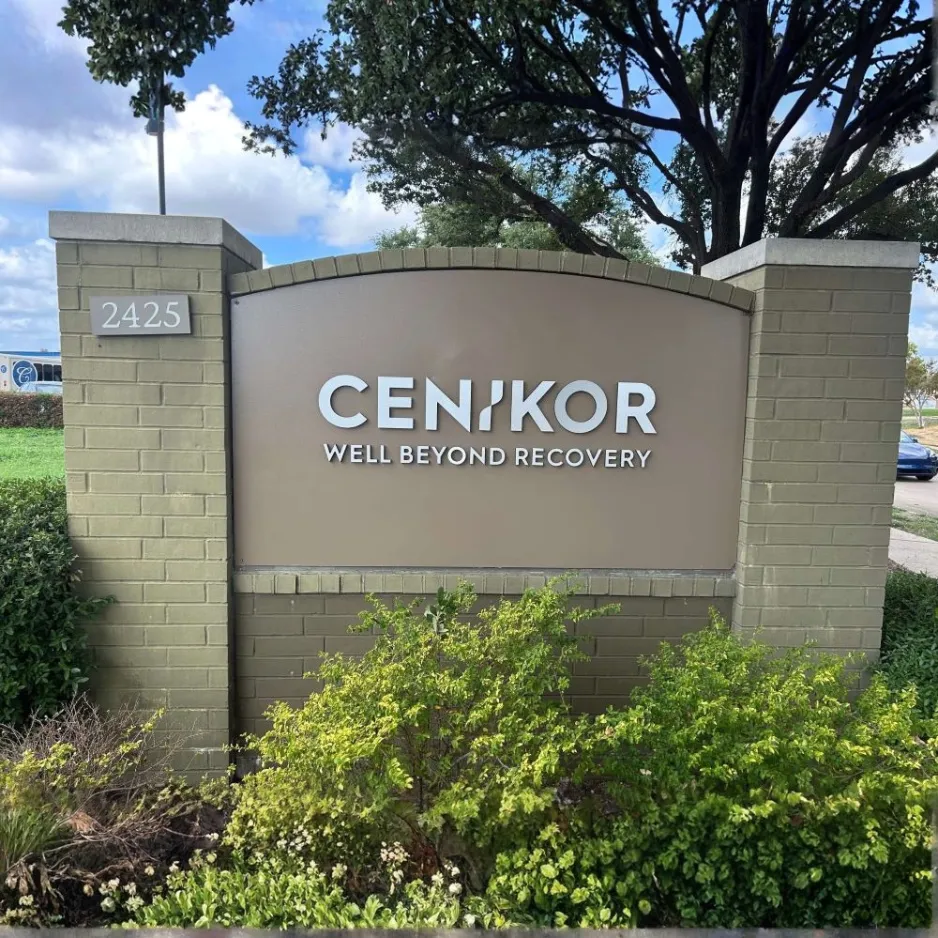
Office buildings and commercial developments use monument signs and building signage to identify tenants.

Medical and Healthcare Facilities
Healthcare offices rely on building signage and wayfinding systems to guide patients.
Why Professional Sign Planning Matters
Navigating sign regulations can be complex, especially for businesses opening new locations. Planning signage early helps ensure designs meet municipal requirements while still supporting brand visibility.
Elevated Exposure Signs and Graphics works with Dallas businesses to develop signage solutions that align with both brand goals and local regulations.
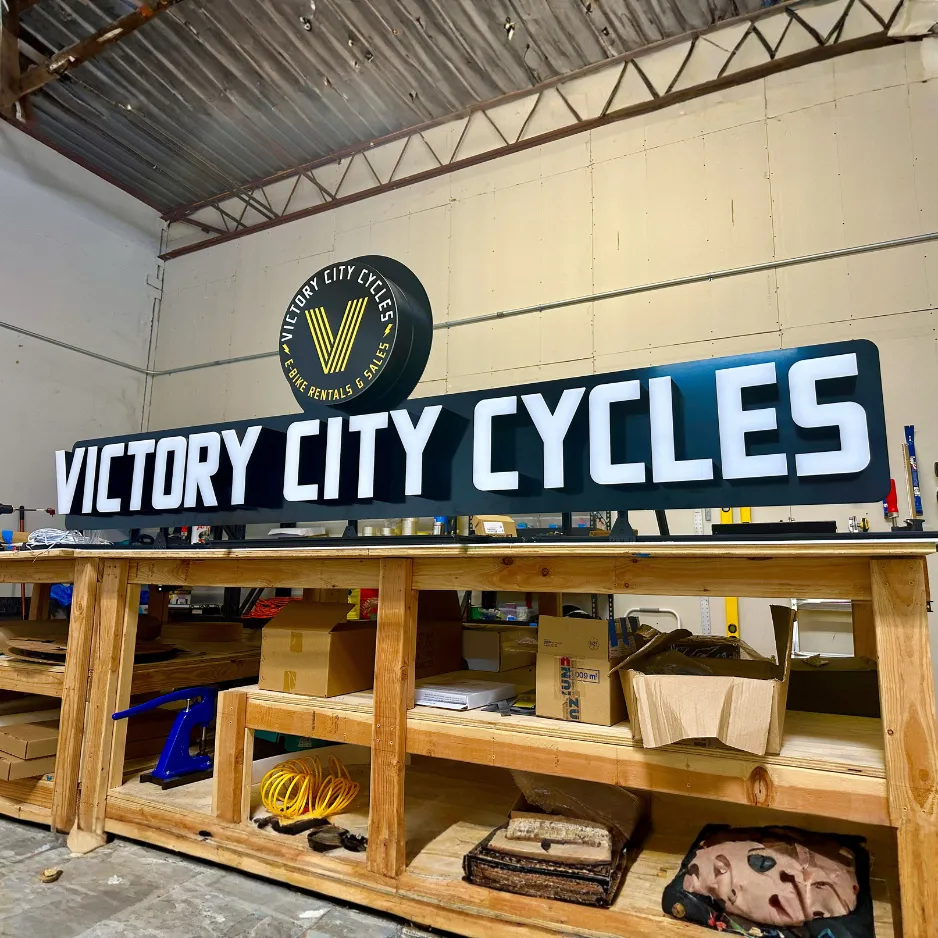
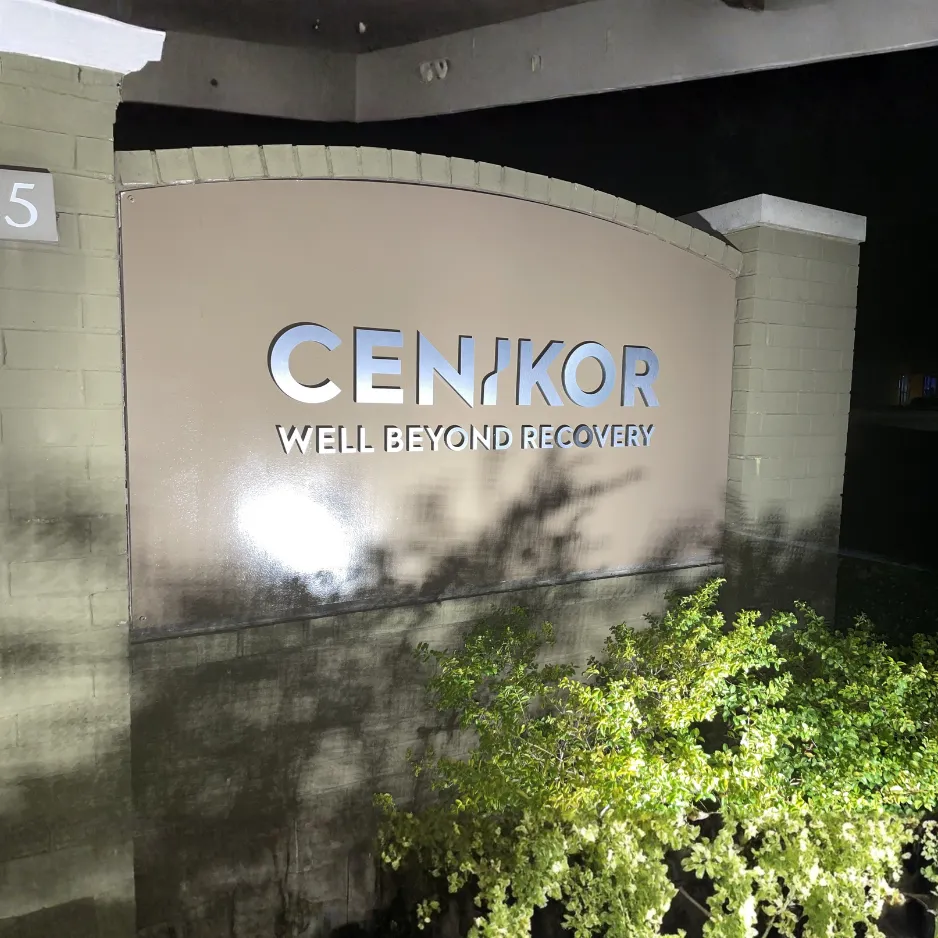
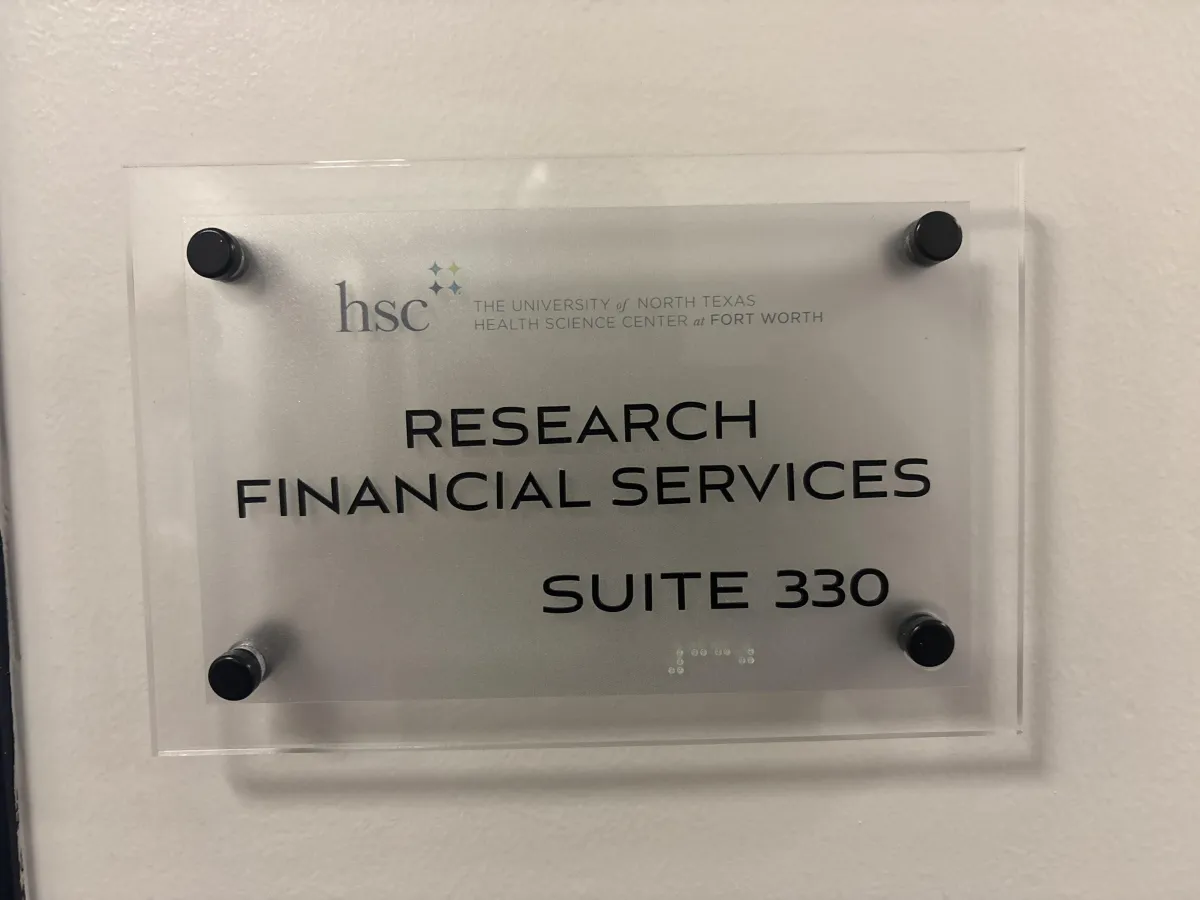
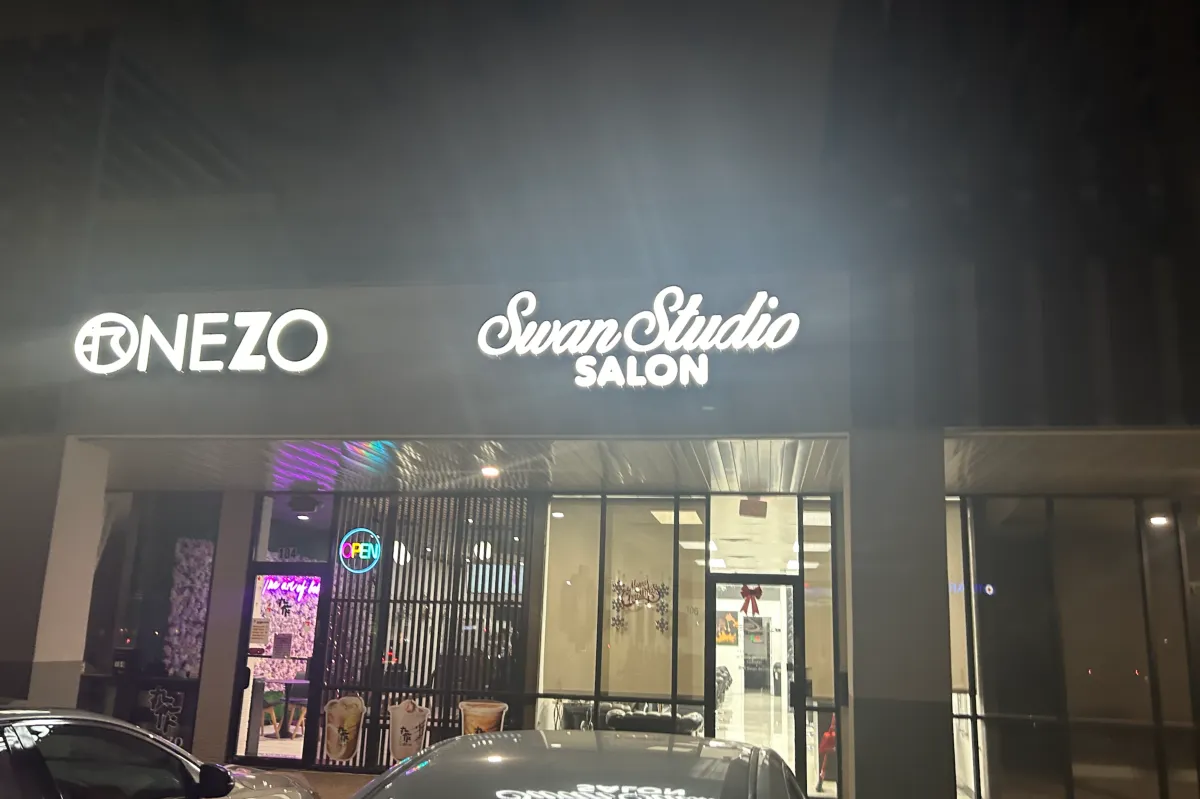
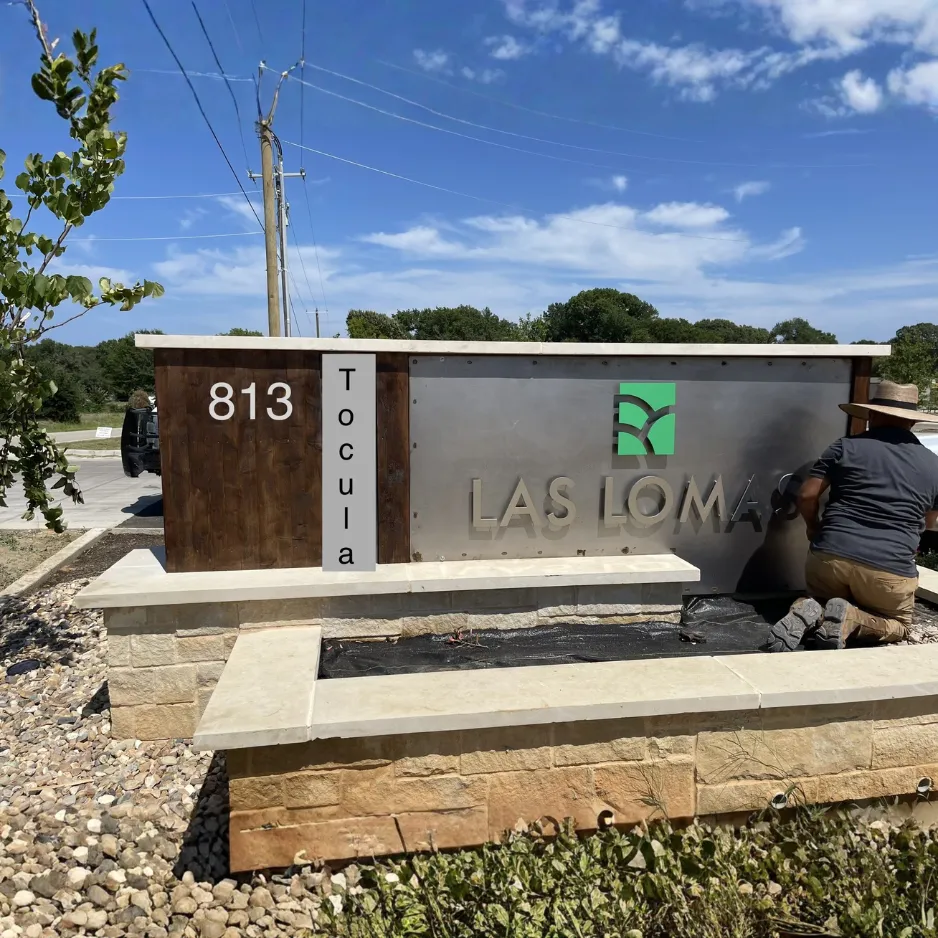
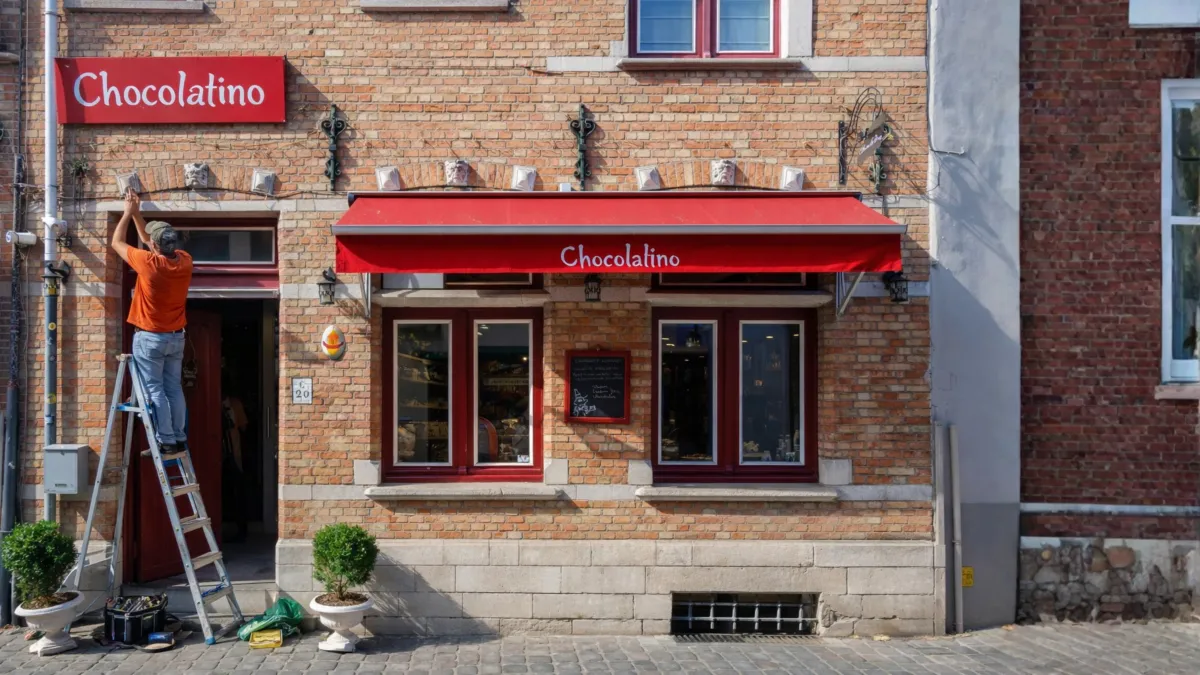
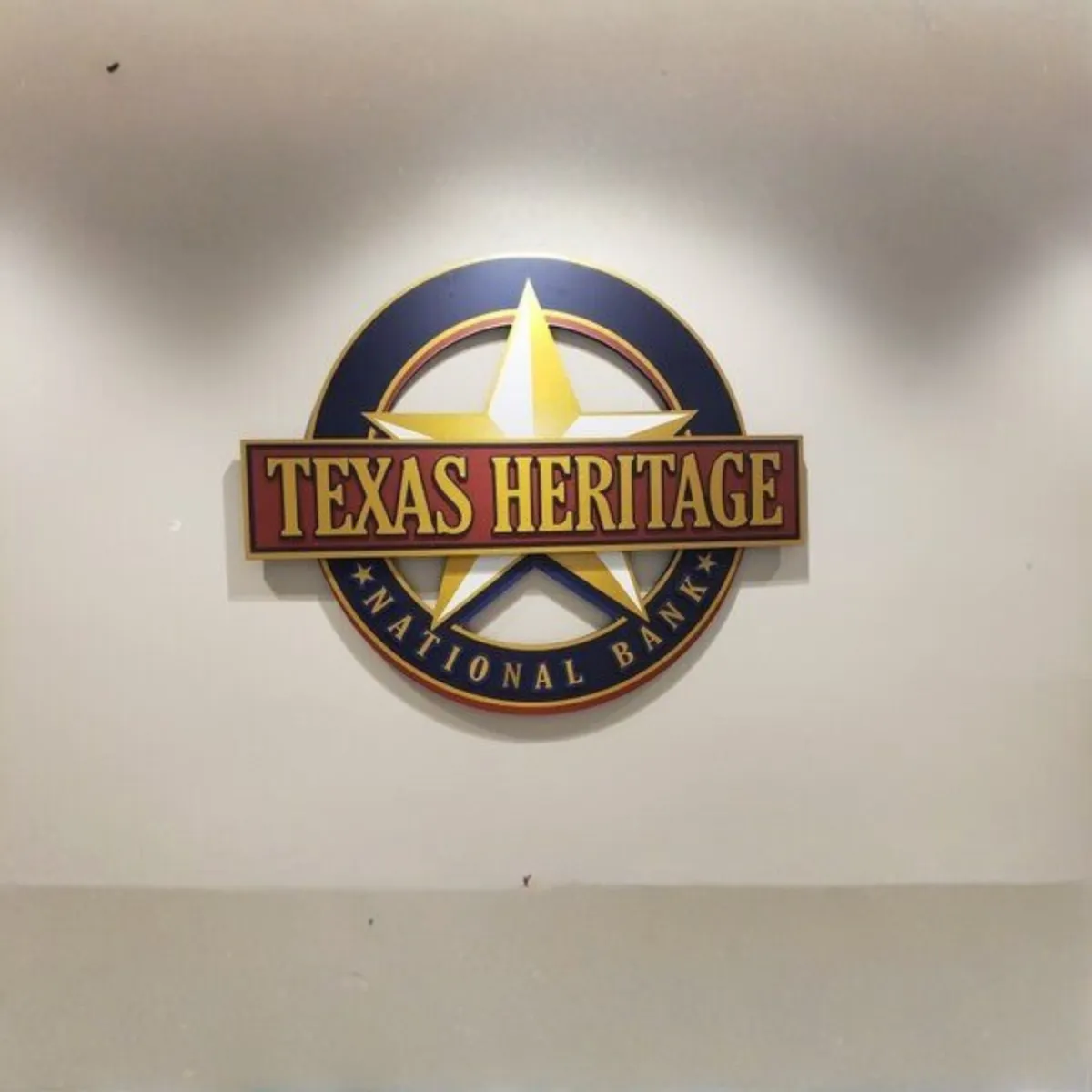
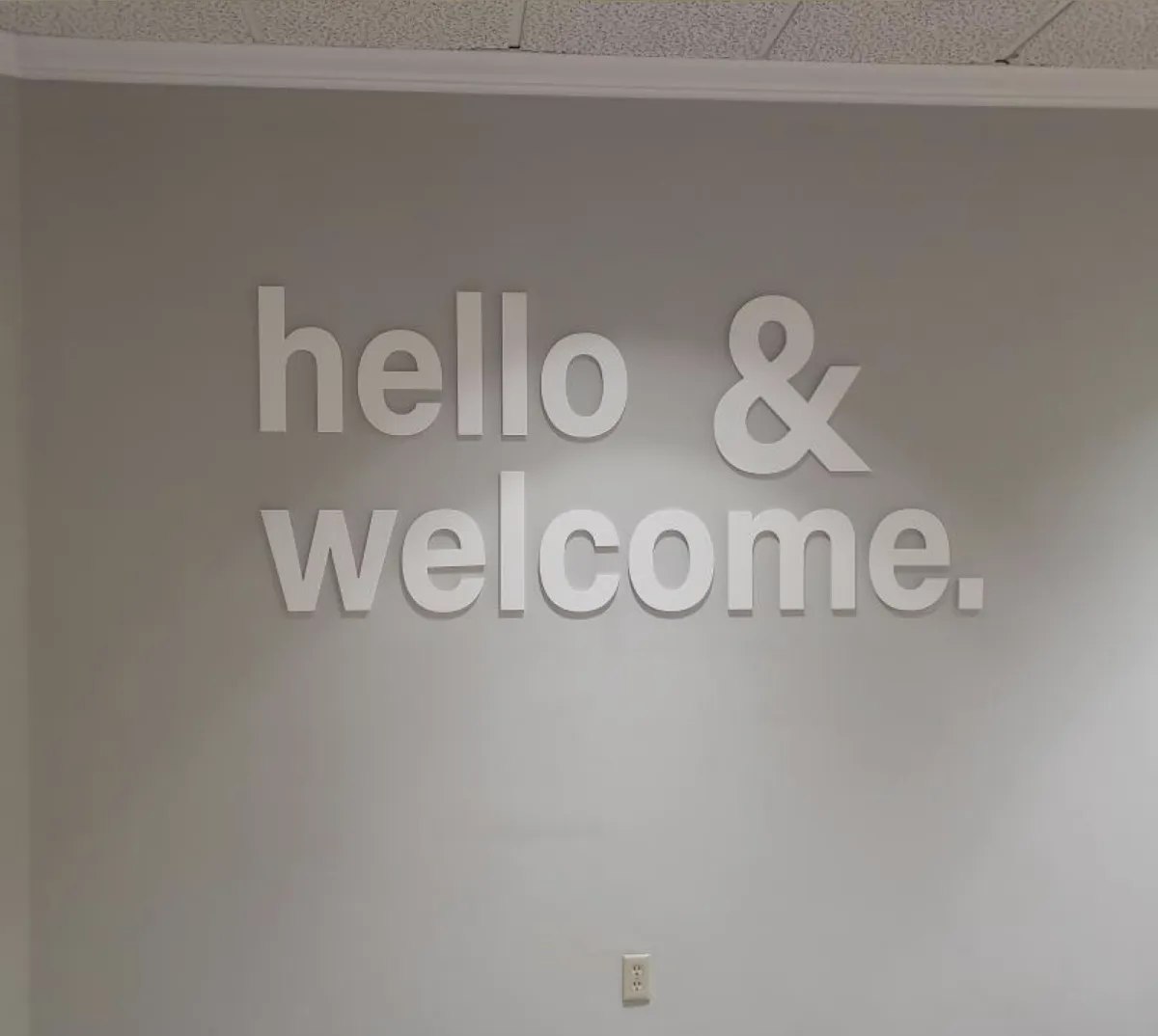
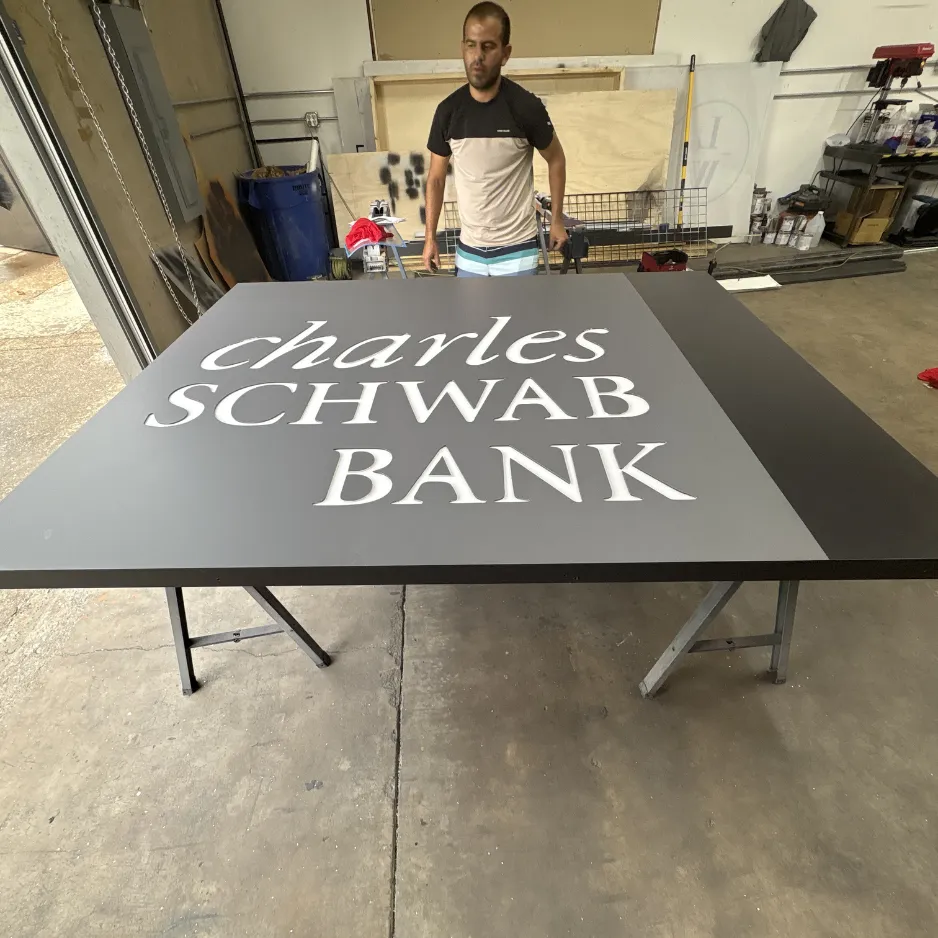
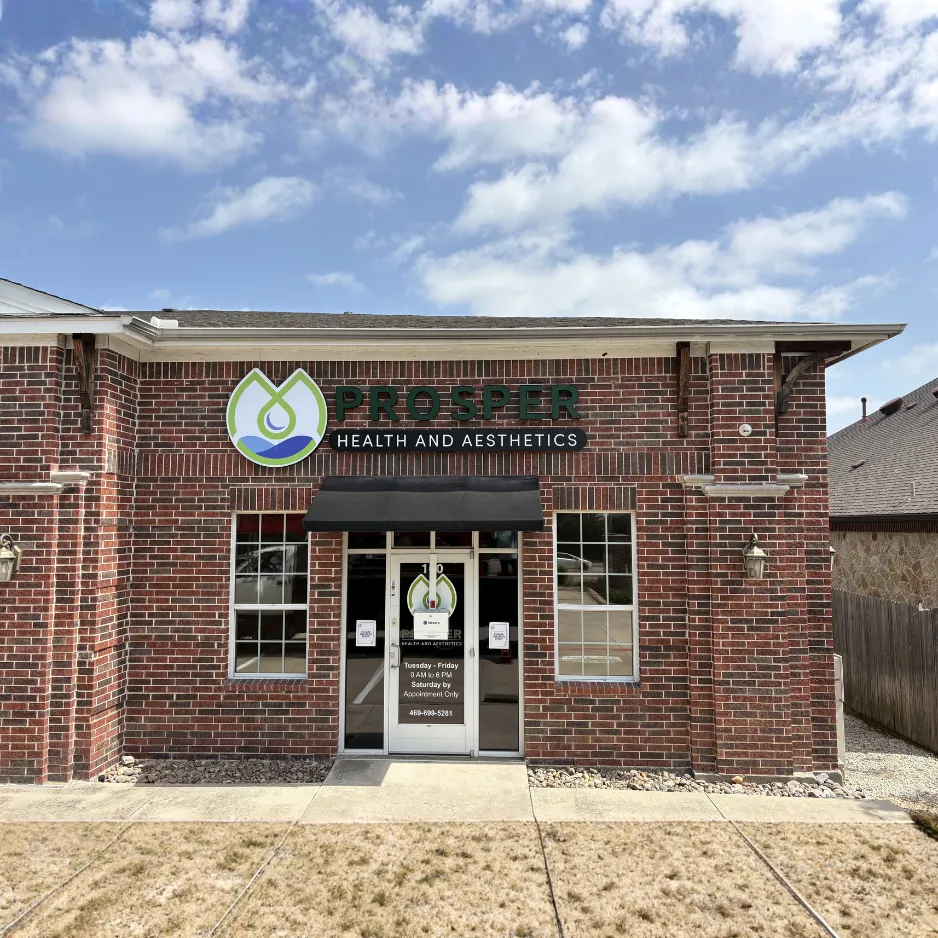
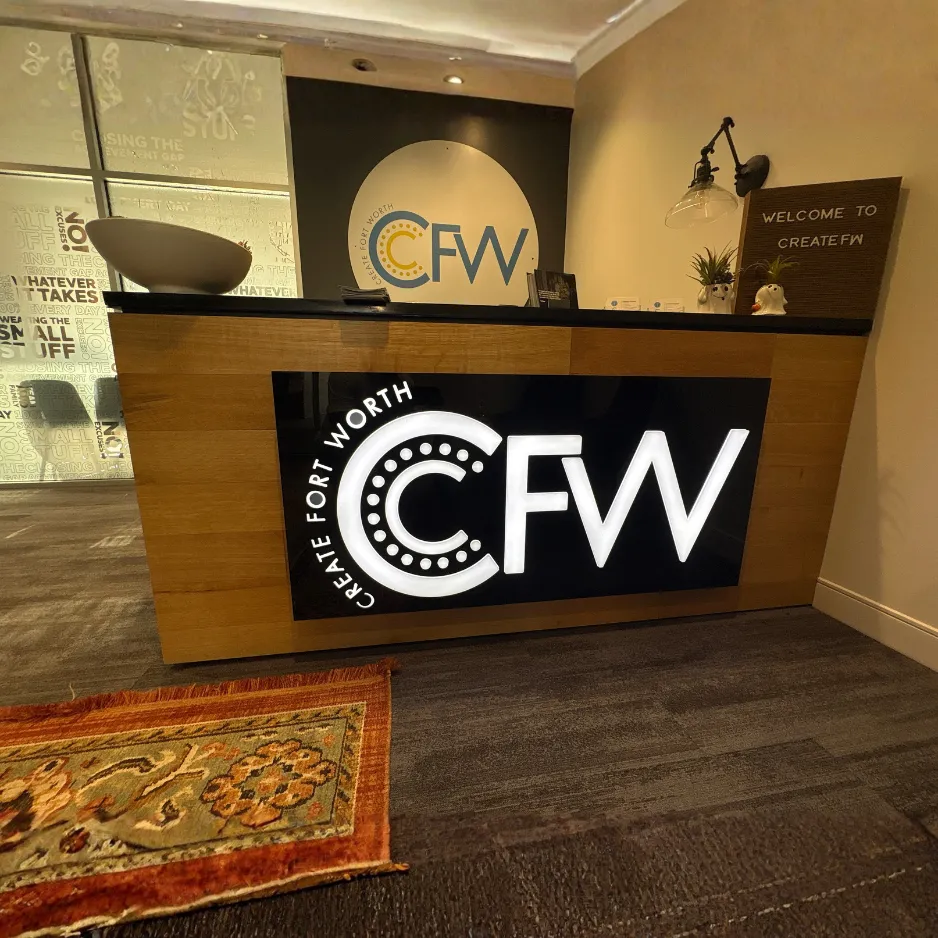
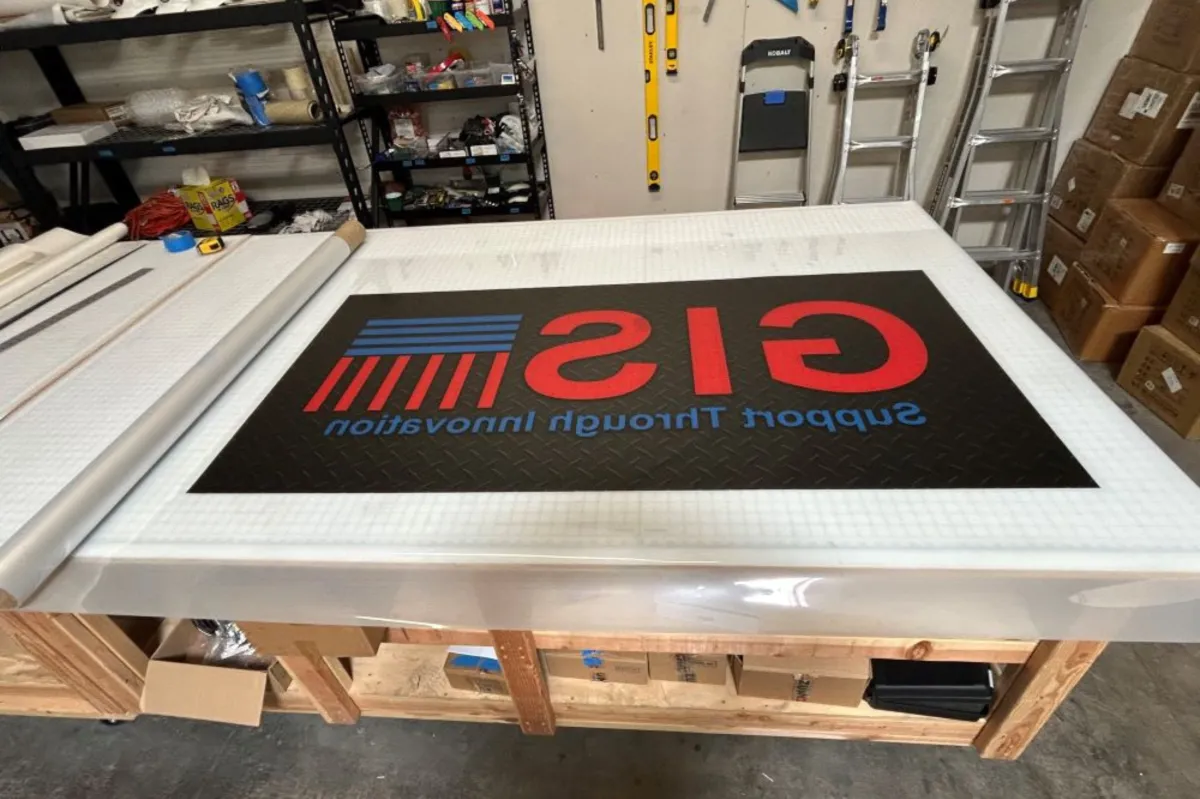
Recent Commercial Sign Projects in Fort Worth and Dallas
We have supported projects for corporate entities, municipalities and growing businesses throughout Dallas and surrounding communities.



Frequently Asked Questions About Dallas Sign Permits
Do all business signs require permits in Dallas?
Many commercial signs require permits, particularly signs larger than 20 square feet, illuminated signs or signs taller than eight feet.
How long does a Dallas sign permit take?
Permit reviews can take several business days when the application includes complete drawings and documentation.
Can businesses install signs without permits?
Installing regulated signage without a permit may result in violations or removal requirements.
Trusted by Businesses Across Fort Worth and Dallas
Elevated Exposure Signs and Graphics is committed to delivering high-quality, compliant signage solutions with integrity and professionalism.
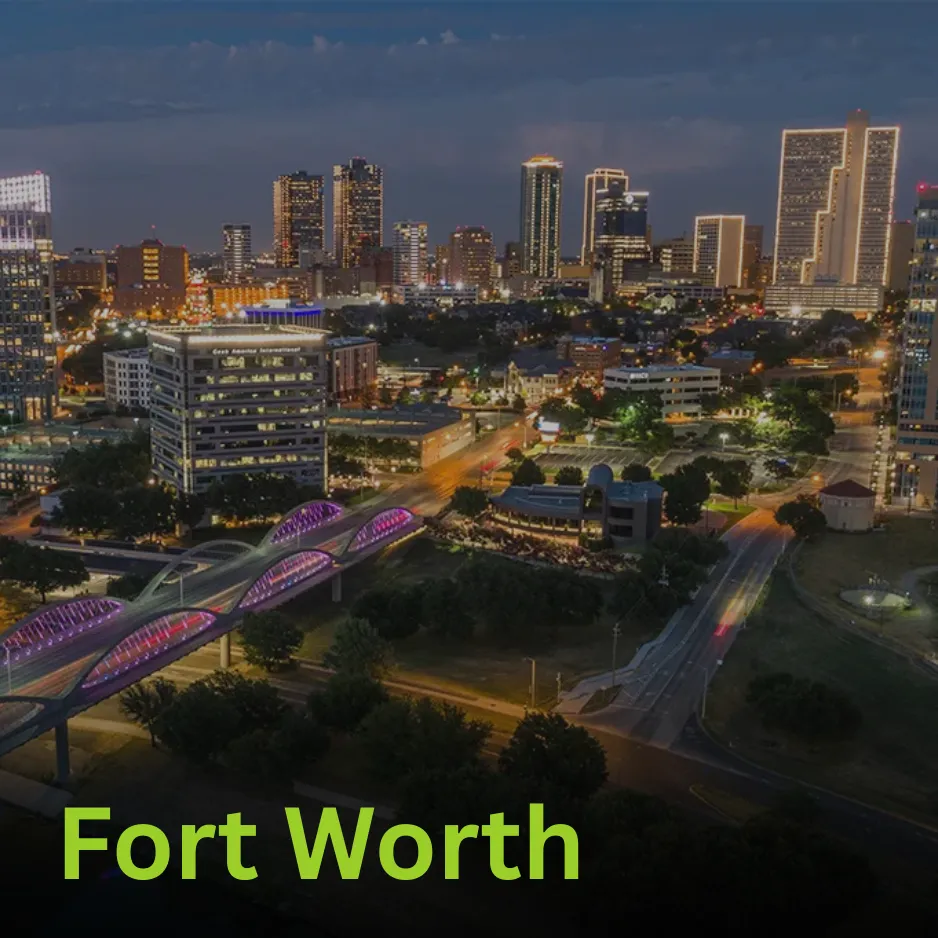
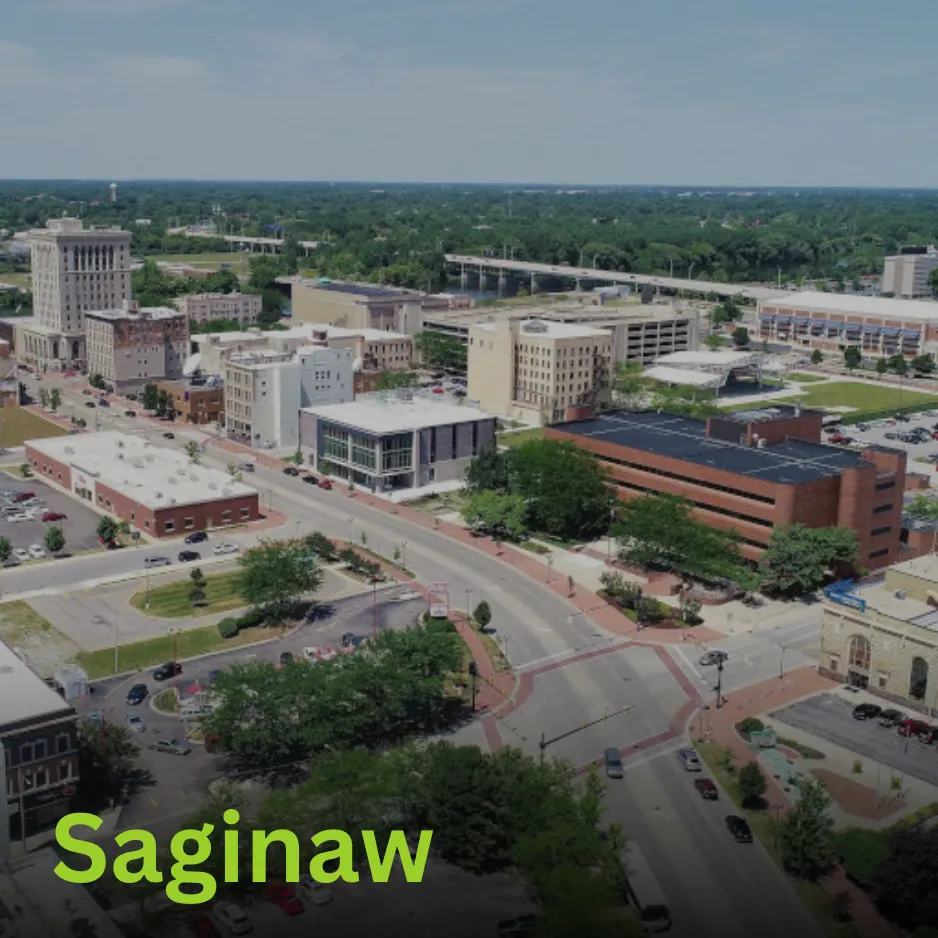
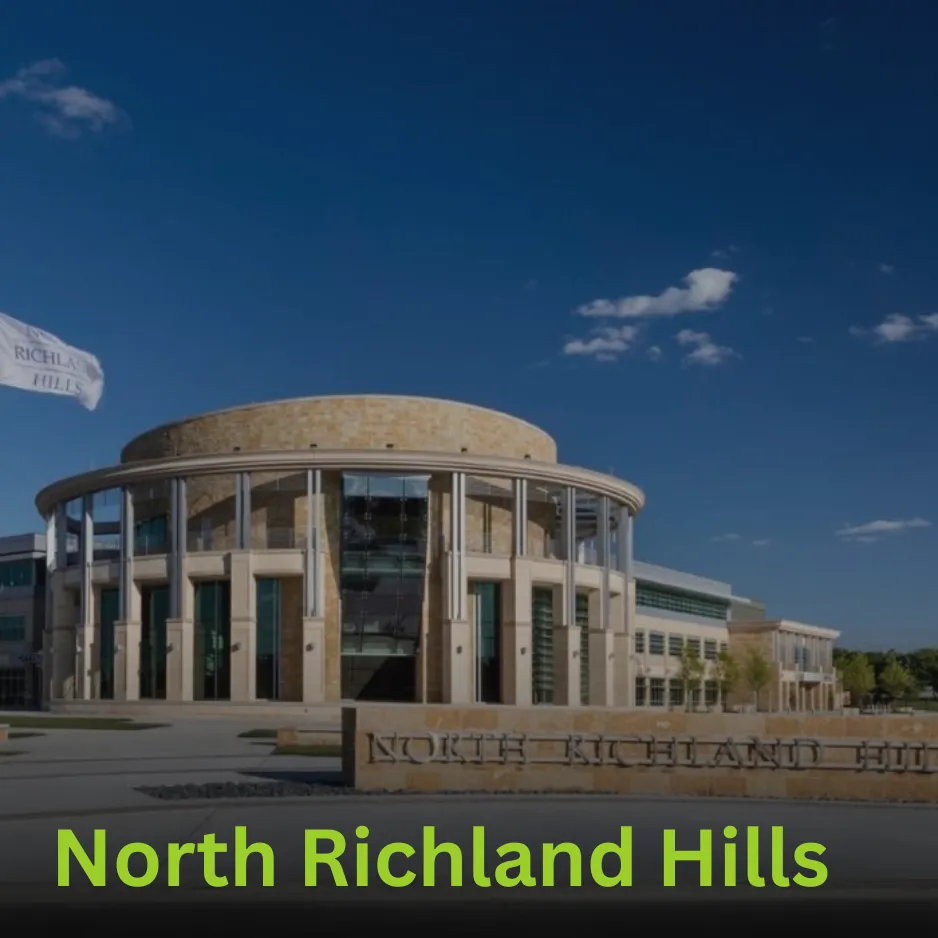
Serving Businesses Across the Dallas Fort Worth Area
Elevated Exposure Signs and Graphics provides signage solutions for businesses across the Dallas Fort Worth region including:






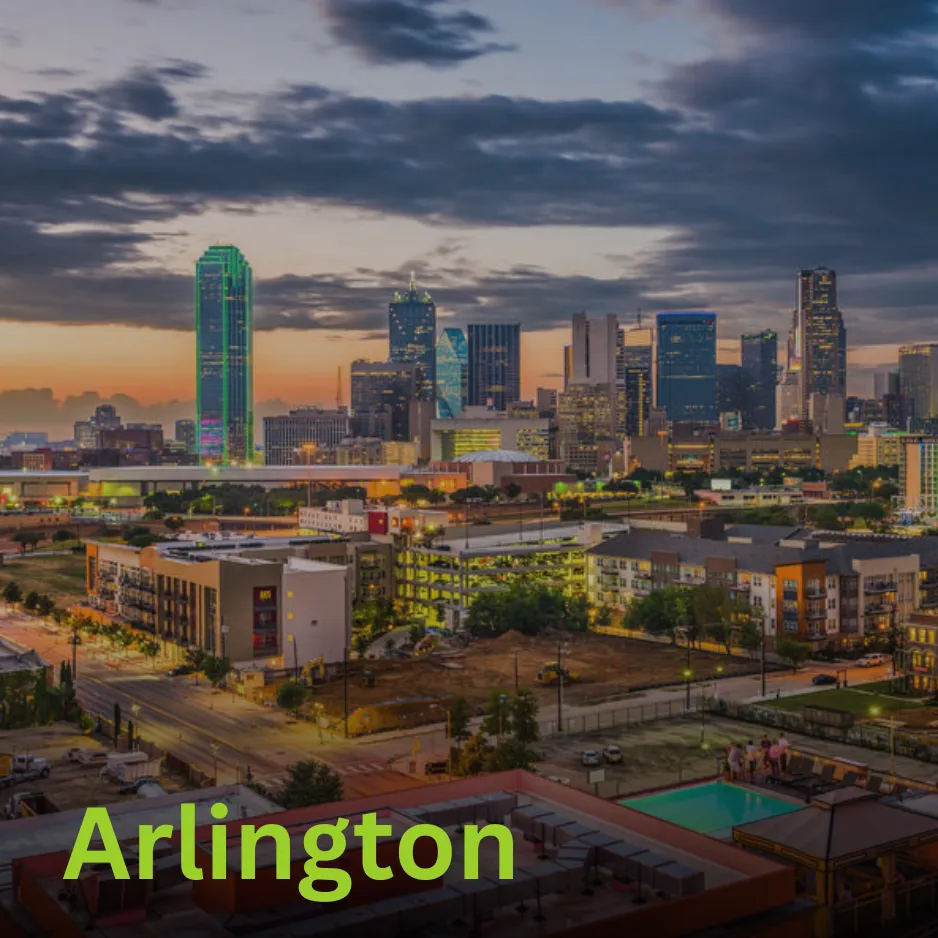

Planning Signage for Your Dallas Business
If you are opening a new business location or installing exterior signage in Dallas, our team can help evaluate signage options and guide the planning process.


Electrical Signage Notice
Electrical Signage Notice: Elevated Exposure Signs and Graphics provides design, fabrication coordination, and project management services for illuminated signage. All electrical installation work is performed by properly licensed Texas electrical sign contractors in accordance with state and local regulations.
Copyright @2026 | Privacy Policy | Terms and Conditions | SiteMap