




ADA Signage Requirements for Businesses in Texas
Understanding ADA signage rules, braille requirements and accessibility standards for commercial buildings.
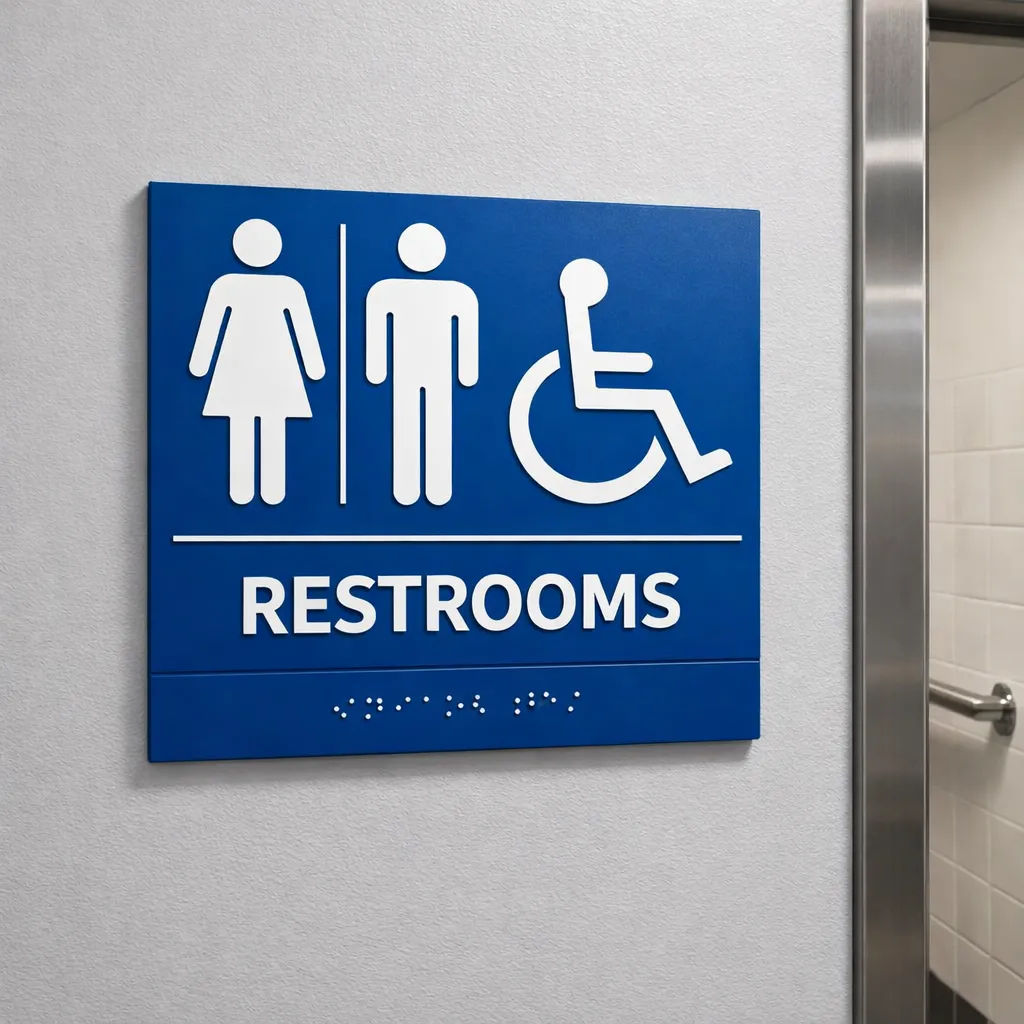

Understanding ADA Signage Requirements
Businesses across Texas must comply with the Americans with Disabilities Act (ADA), which includes specific requirements for signage used inside commercial buildings. These standards ensure that people with visual impairments or other disabilities can safely navigate public spaces.
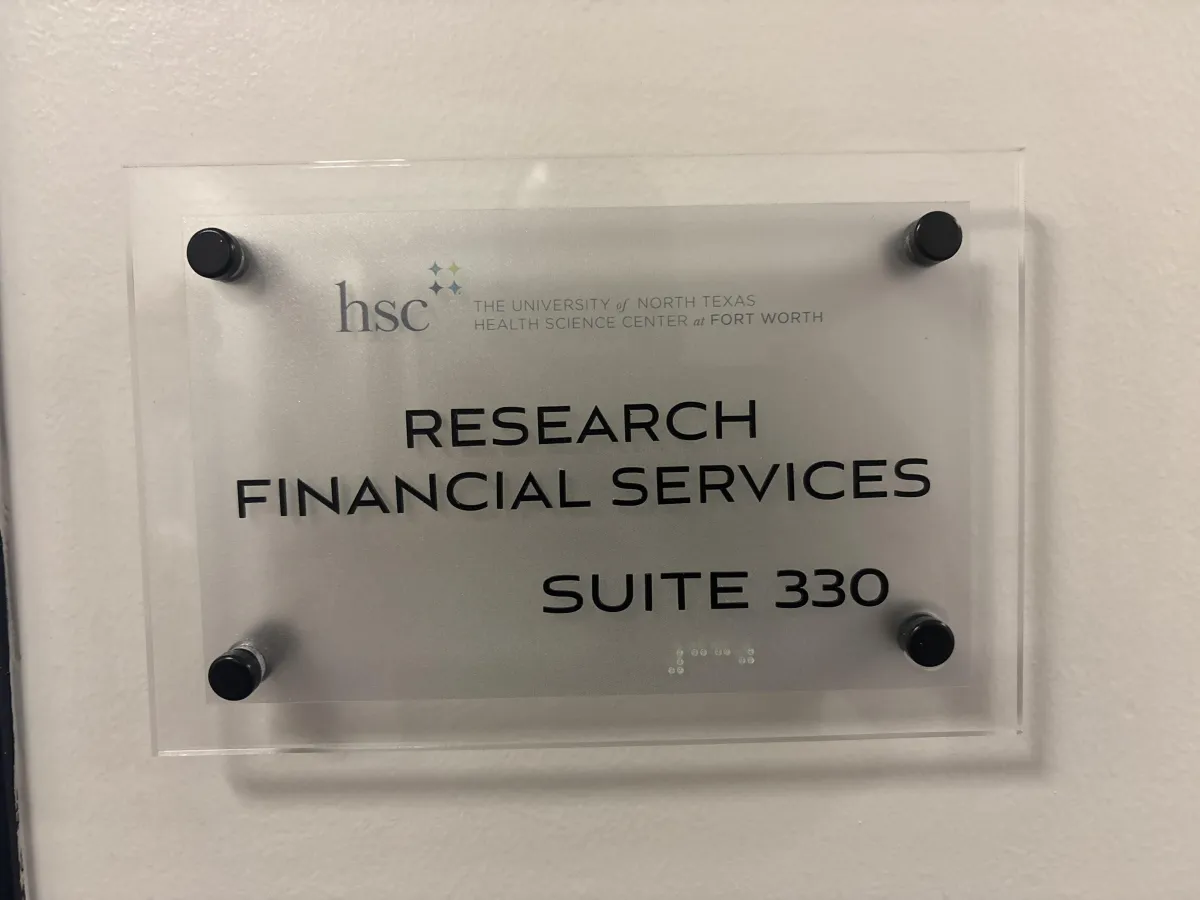
ADA compliant signage typically includes tactile lettering, braille and specific placement rules. Businesses installing interior signage must ensure that signs identifying rooms, restrooms and accessible facilities follow federal accessibility guidelines.
Elevated Exposure Signs and Graphics works with businesses across the Dallas Fort Worth area to design signage systems that align with ADA requirements while maintaining professional branding.
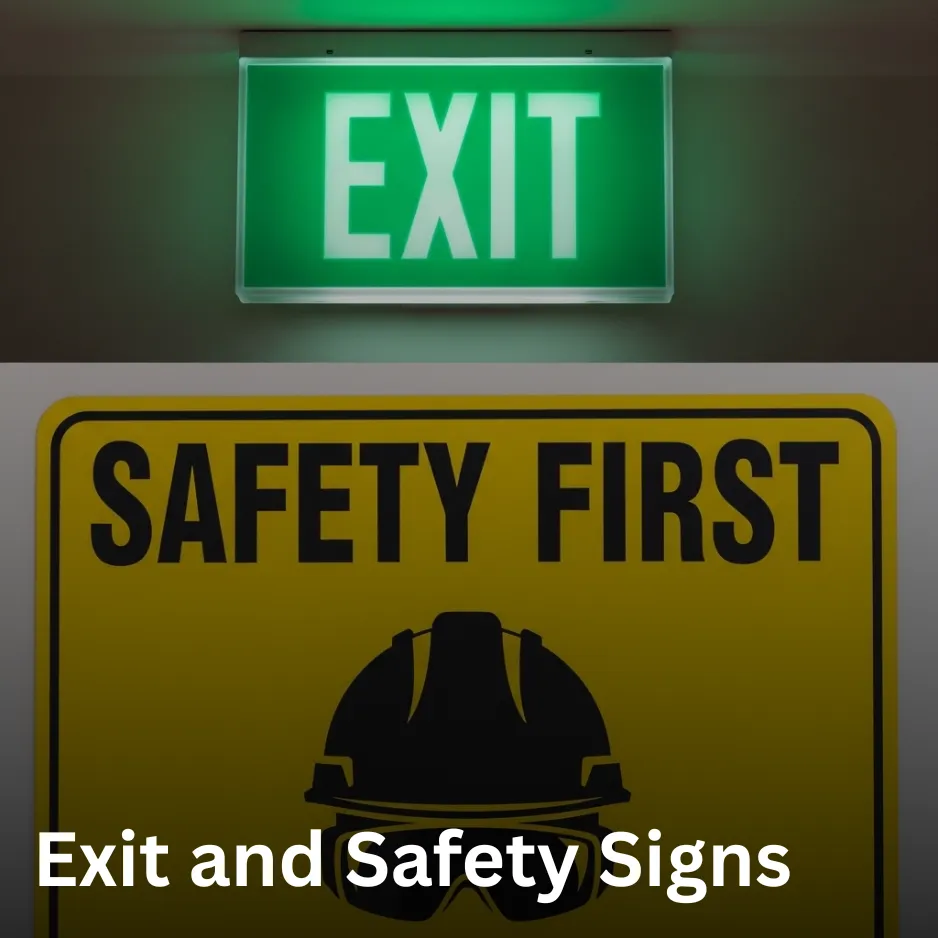
What Signs Must Be ADA Compliant
ADA compliant signs are typically required for permanent rooms and spaces within a building.

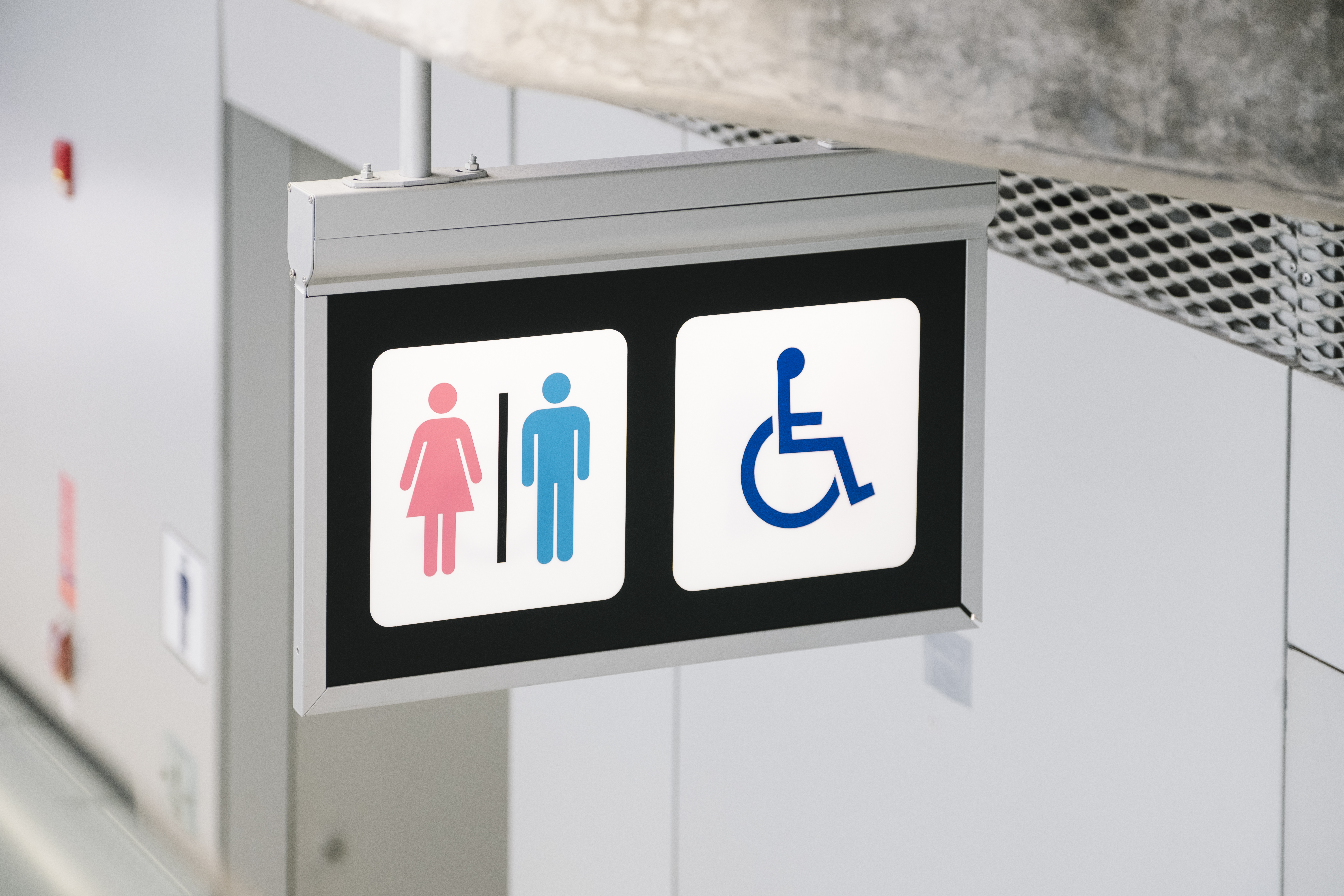
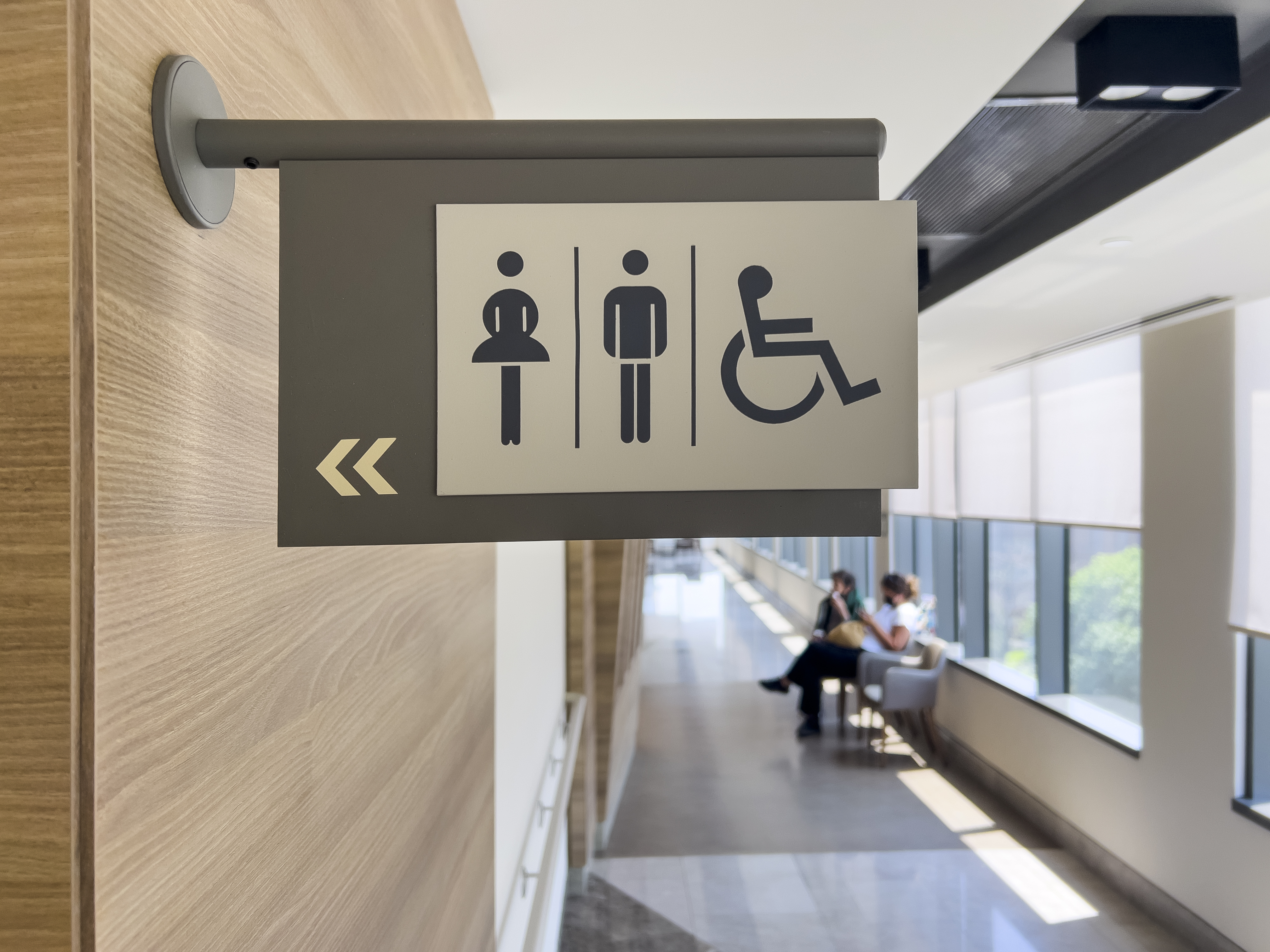
Restrooms

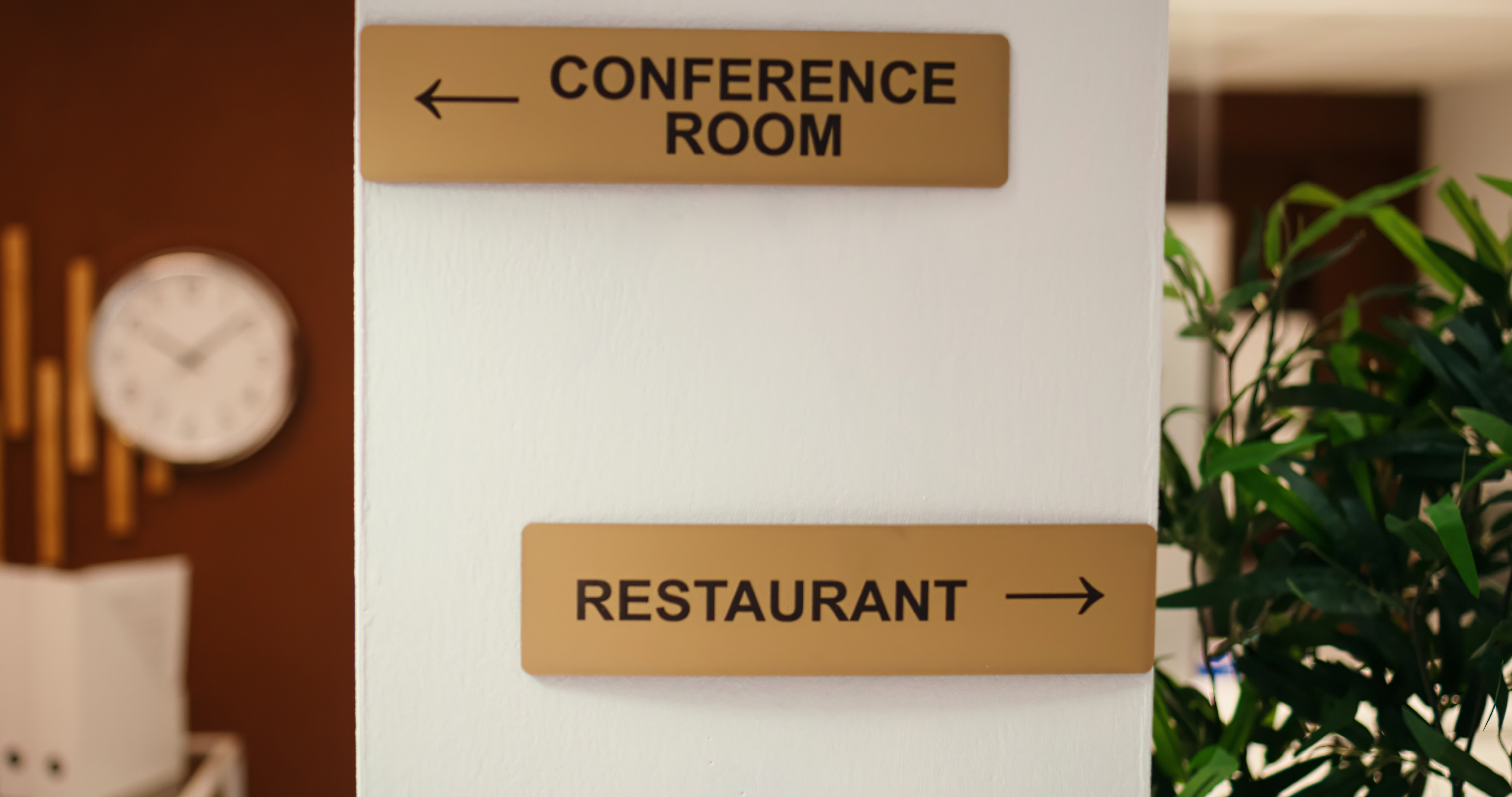
Conference rooms

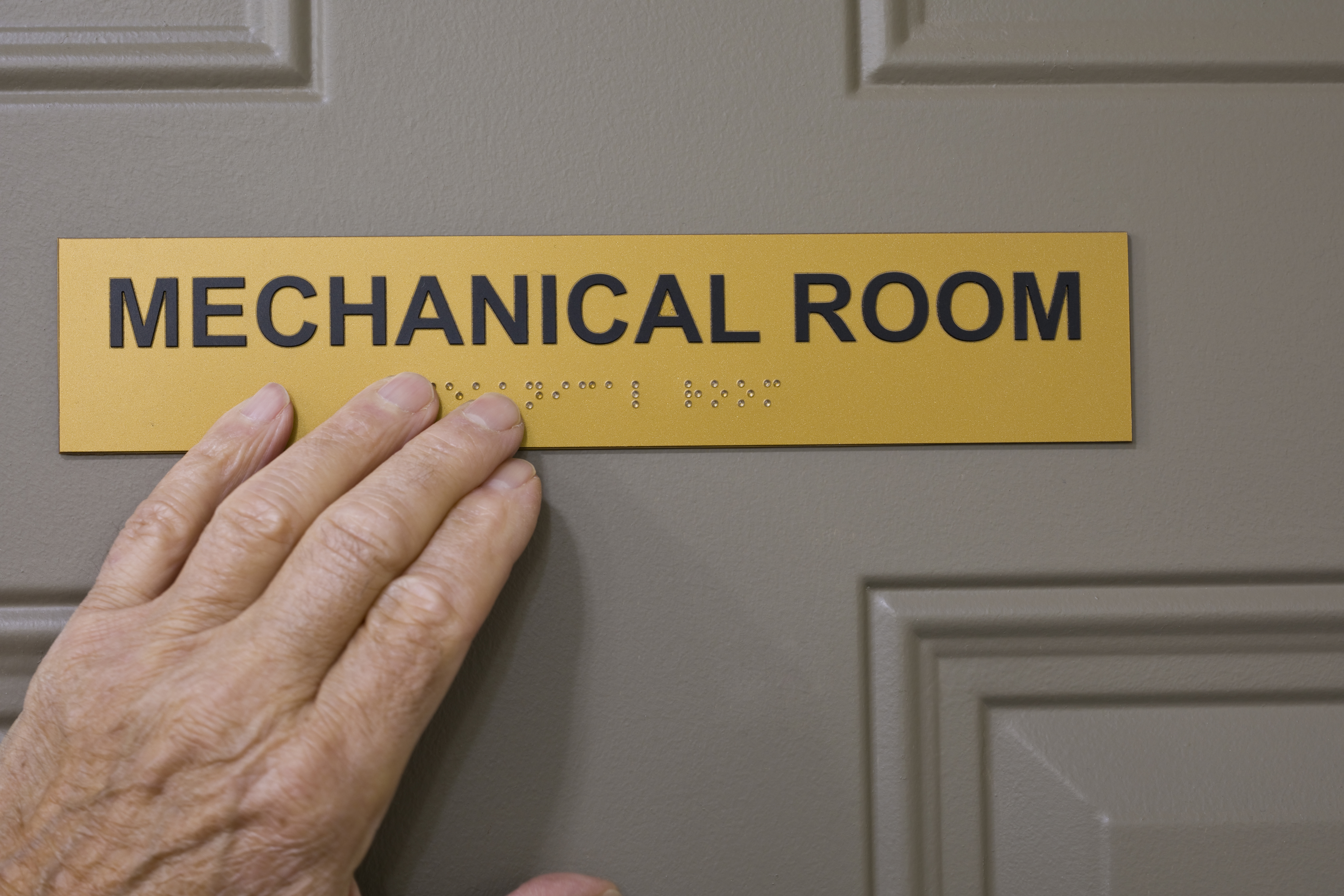
Mechanical rooms

Exit stairways

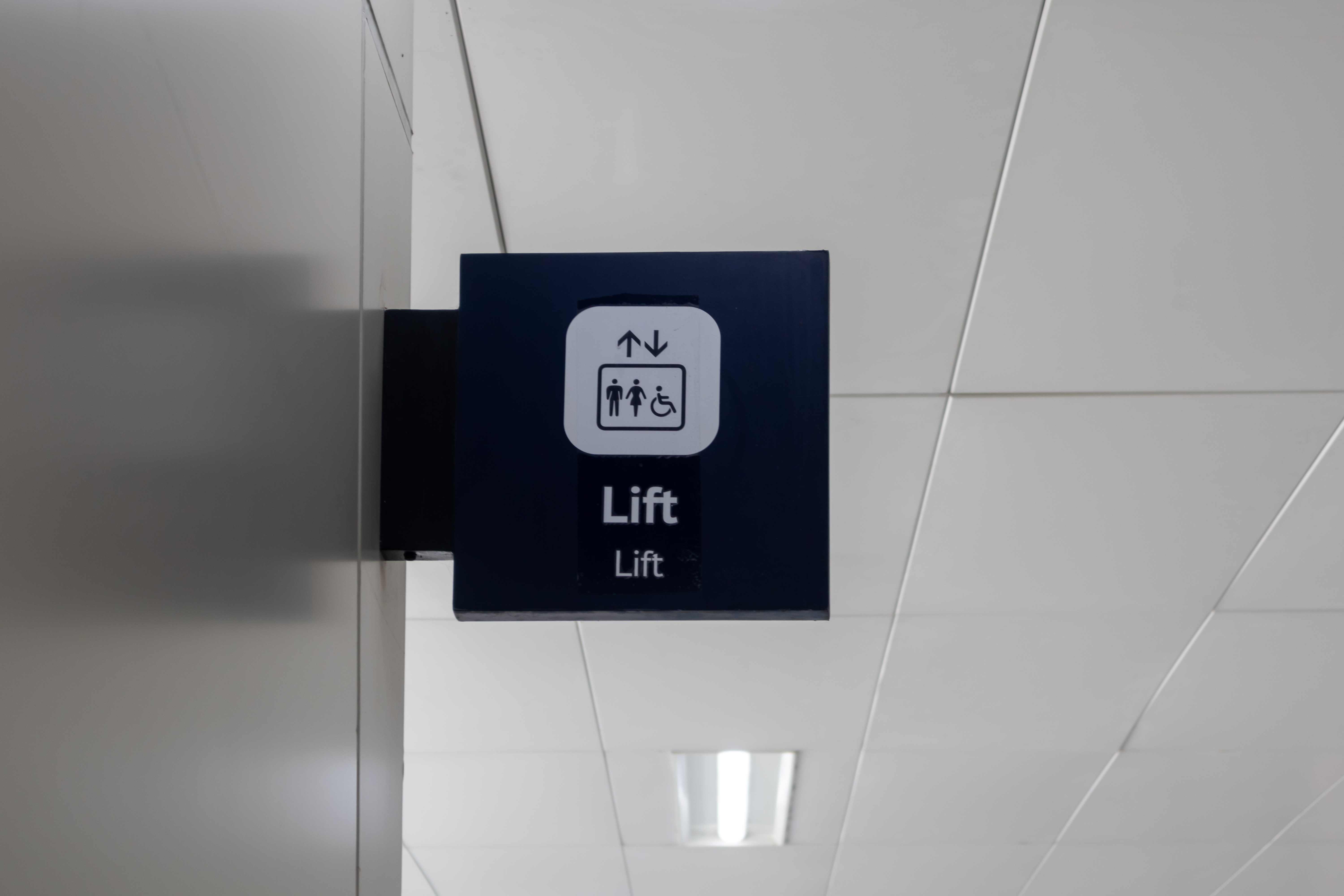
Elevators

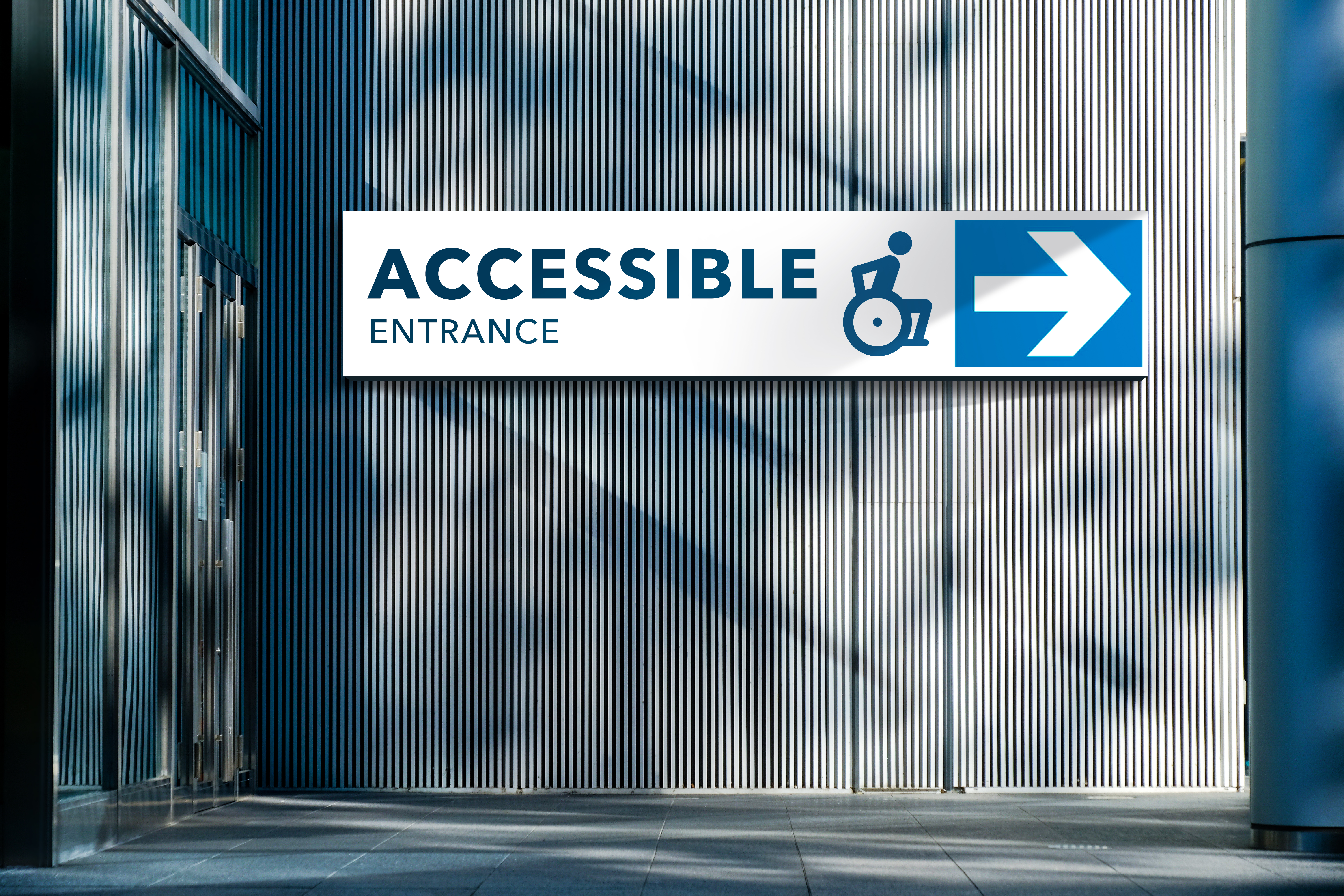
Accessible entrances
Any permanent room that identifies a function must generally include tactile lettering and braille.
Key ADA Signage Design Requirements
ADA signage must follow specific design standards to ensure accessibility.

Tactile Characters
Raised lettering must be used on many ADA signs so the
characters can be read by touch.

Braille
Grade 2 braille is required on many room identification signs.

Character Height
Text must meet minimum and maximum height requirements to ensure readability.

Contrast
High contrast between text and
background improves visibility for individuals with low vision.

Non Glare Finish
Sign surfaces should have a matte or non reflective finish to prevent glare.
ADA Sign Placement Requirements
Correct sign placement is also required to ensure accessibility.
Most ADA room identification signs must be mounted on the wall beside the door rather than directly on the door itself. This placement allows individuals to locate signs even when doors are open.
Typical mounting guidelines include:
Signs placed on the latch side of the door
Mounting height generally between 48 and 60 inches from the floor
Consistent placement throughout the building
These rules help ensure signage is easy to locate and read.
How ADA Signage Is Used in Commercial Buildings
Businesses across North Texas rely on ADA compliant signage to maintain accessibility and meet regulatory requirements.

Medical Offices and Healthcare Facilities
Healthcare providers must install ADA compliant room identification signage to guide patients throughout medical facilities.

Office Buildings and Corporate Facilities
Corporate offices use ADA signage to identify rooms, conference areas and building exits.

Retail and Hospitality Businesses
Restaurants, hotels and retail environments rely on ADA signage to identify restrooms and accessible facilities.

Schools and Public Buildings
Educational and government facilities often require large numbers of ADA compliant signs throughout their buildings.
Why ADA Sign
Compliance Matters
ADA compliance helps businesses create accessible environments for all visitors. Non compliant signage may result in accessibility complaints or regulatory issues.
Working with professionals who understand ADA signage standards helps ensure signs meet federal guidelines while maintaining consistent branding throughout the space.
Elevated Exposure Signs and Graphics helps businesses plan interior signage systems that support both accessibility and professional design.
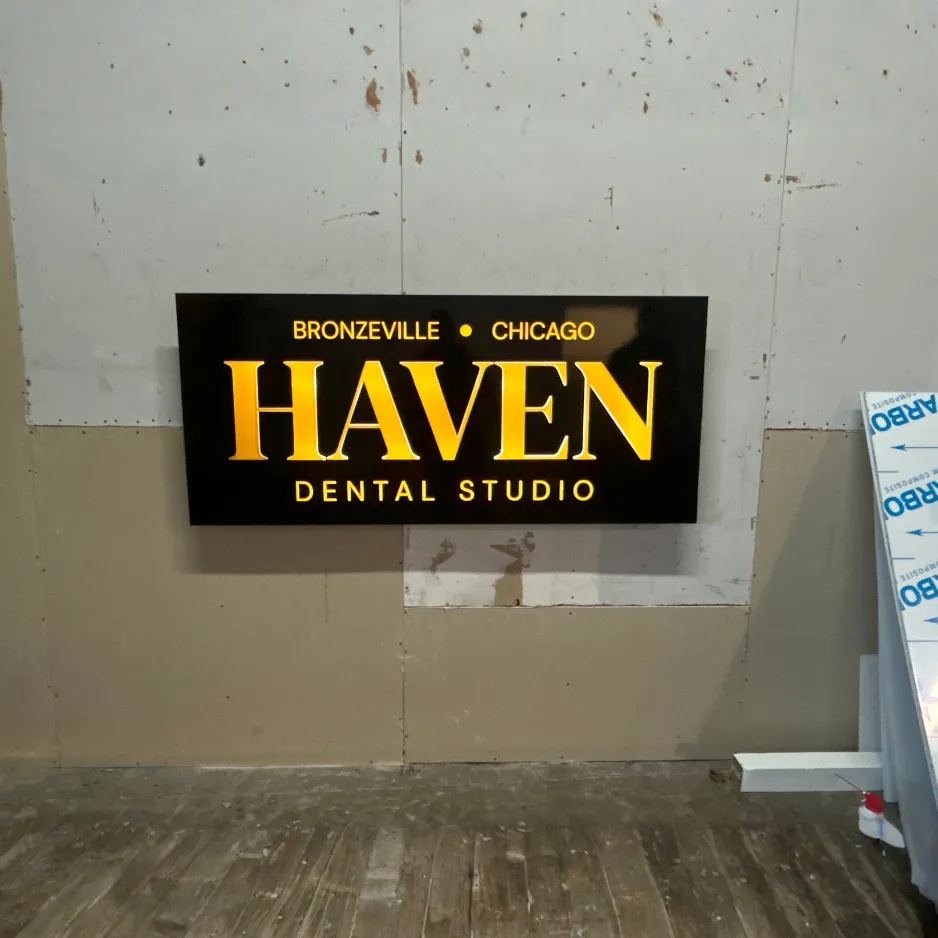
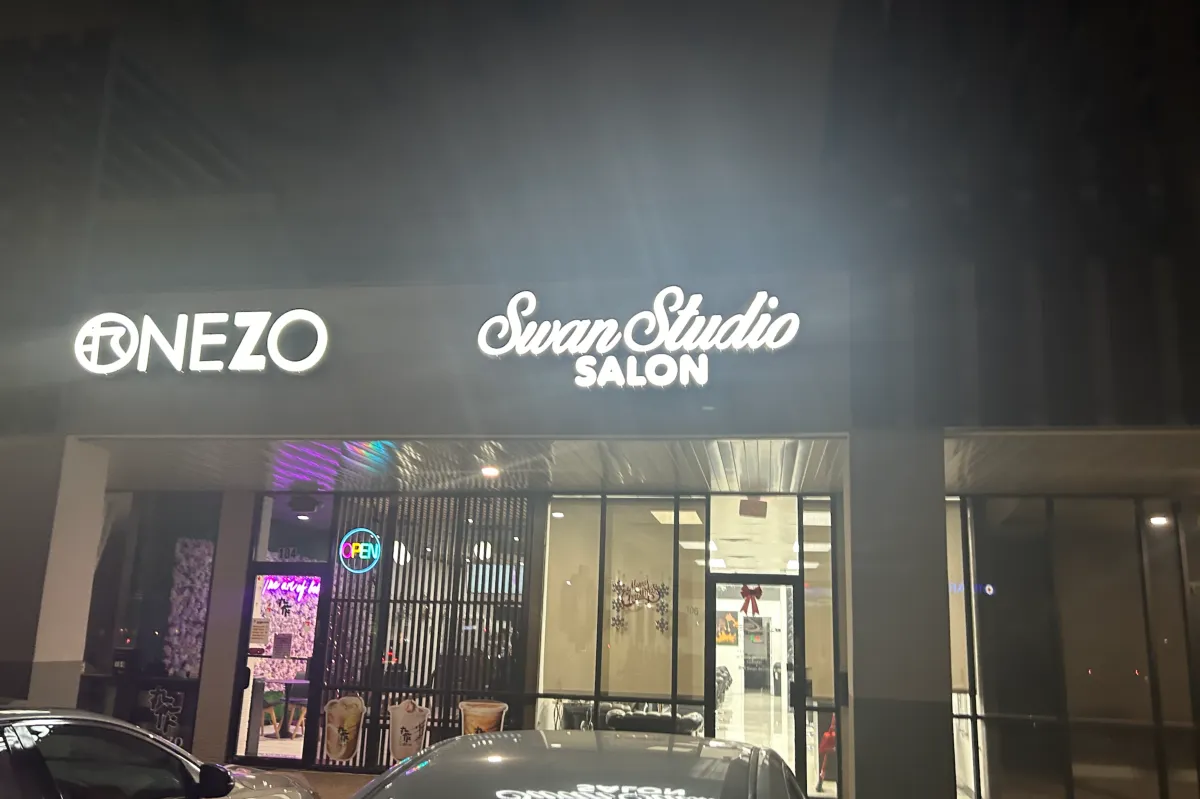
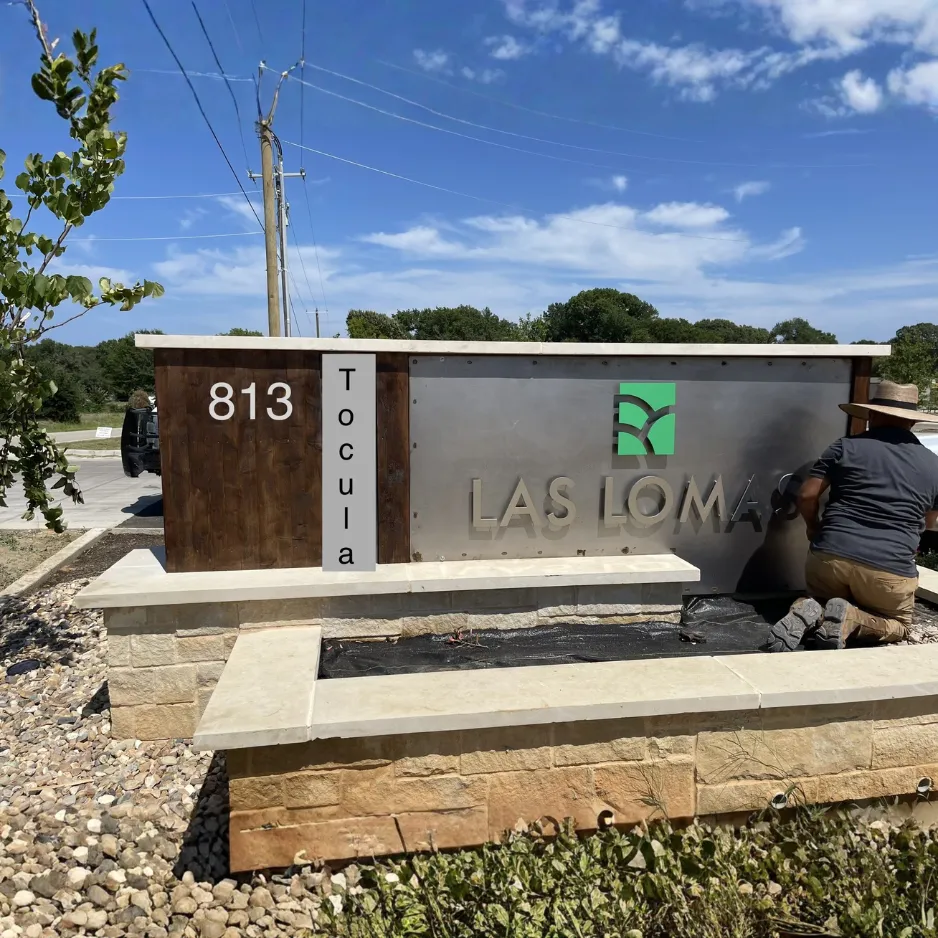
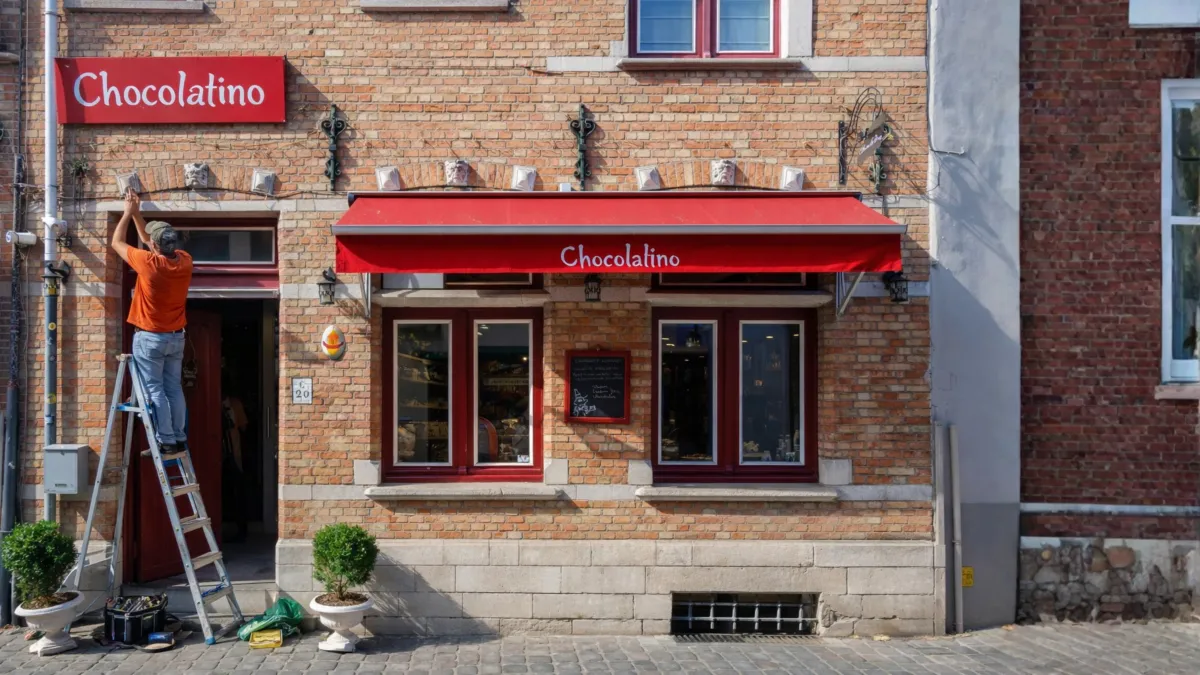
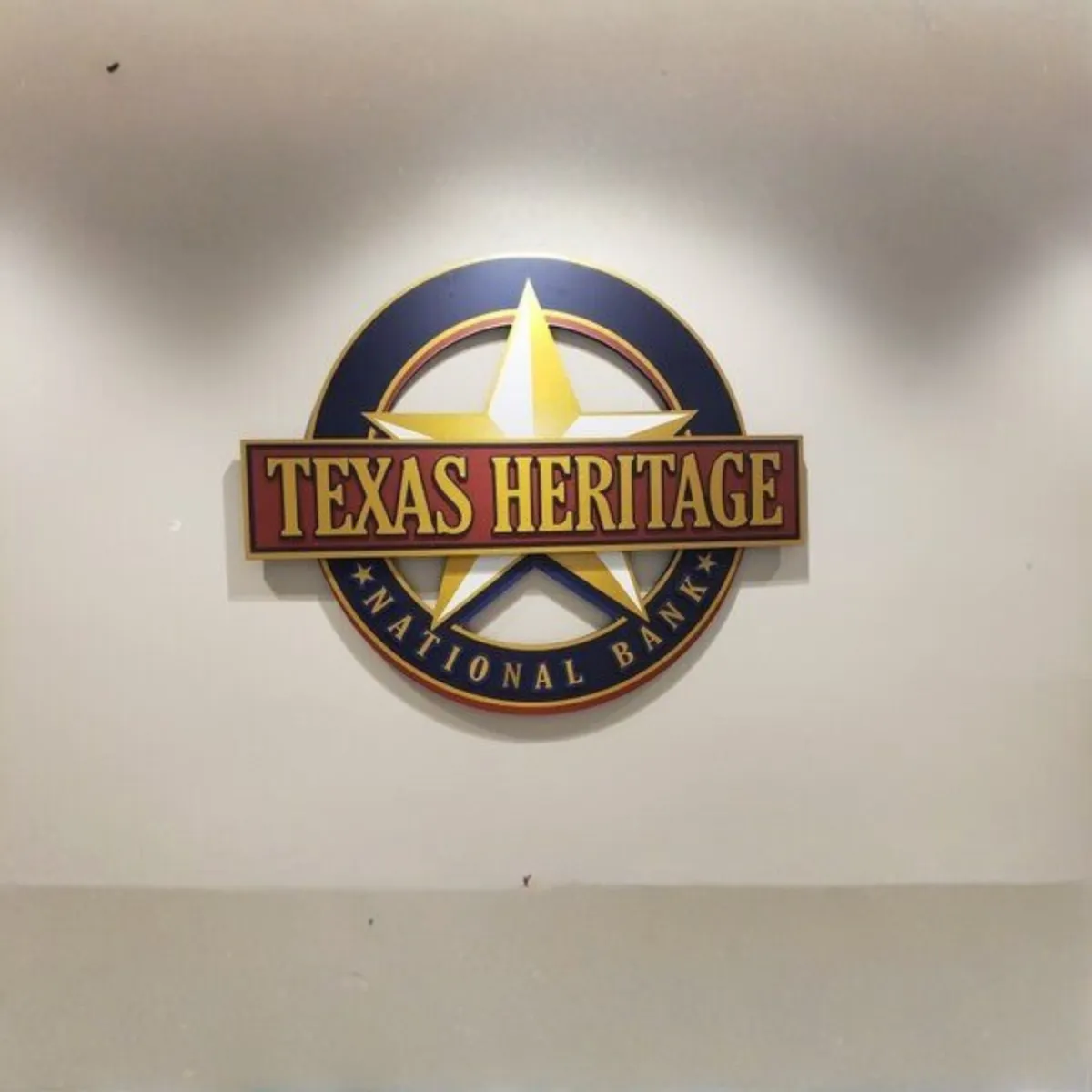
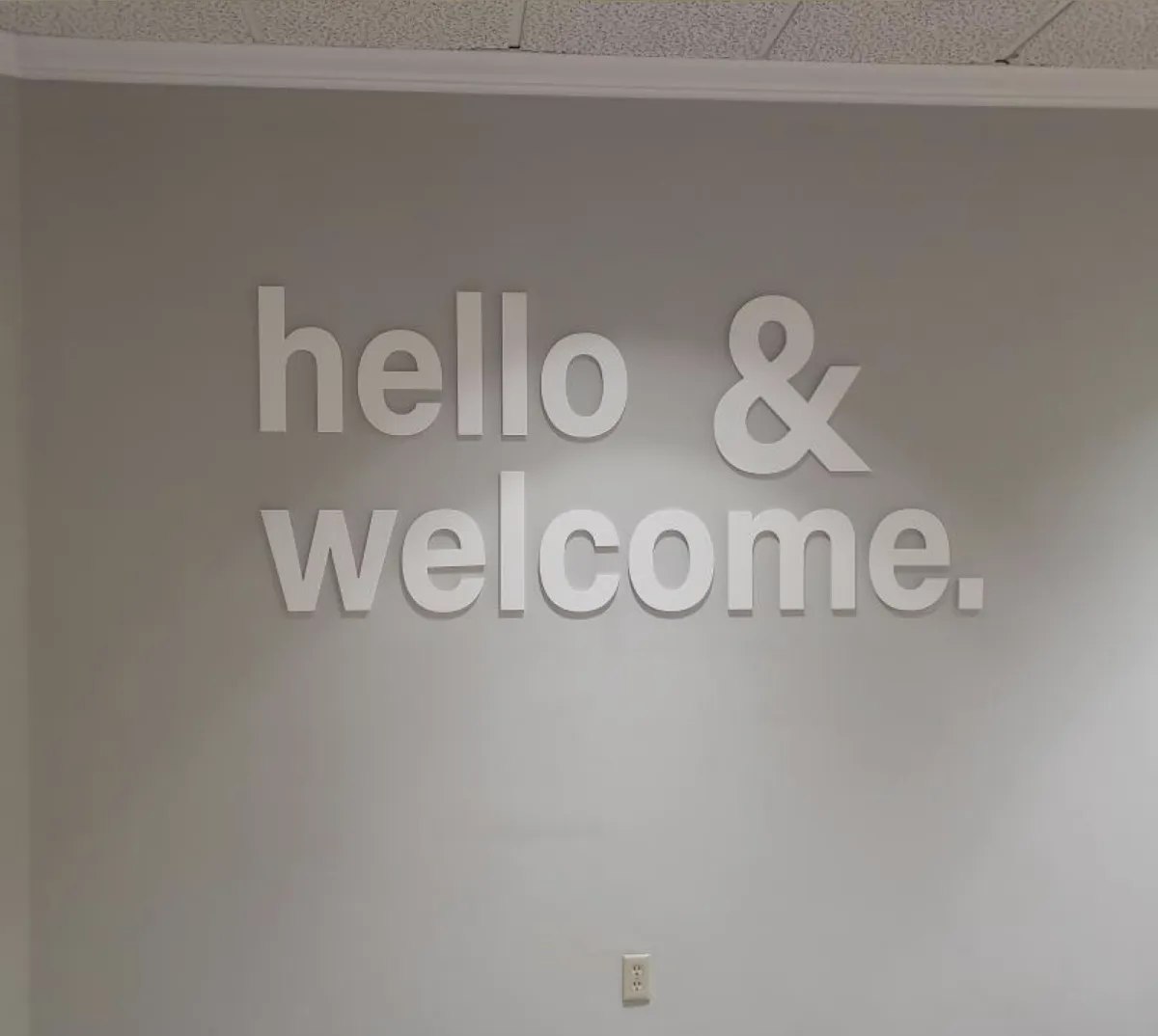
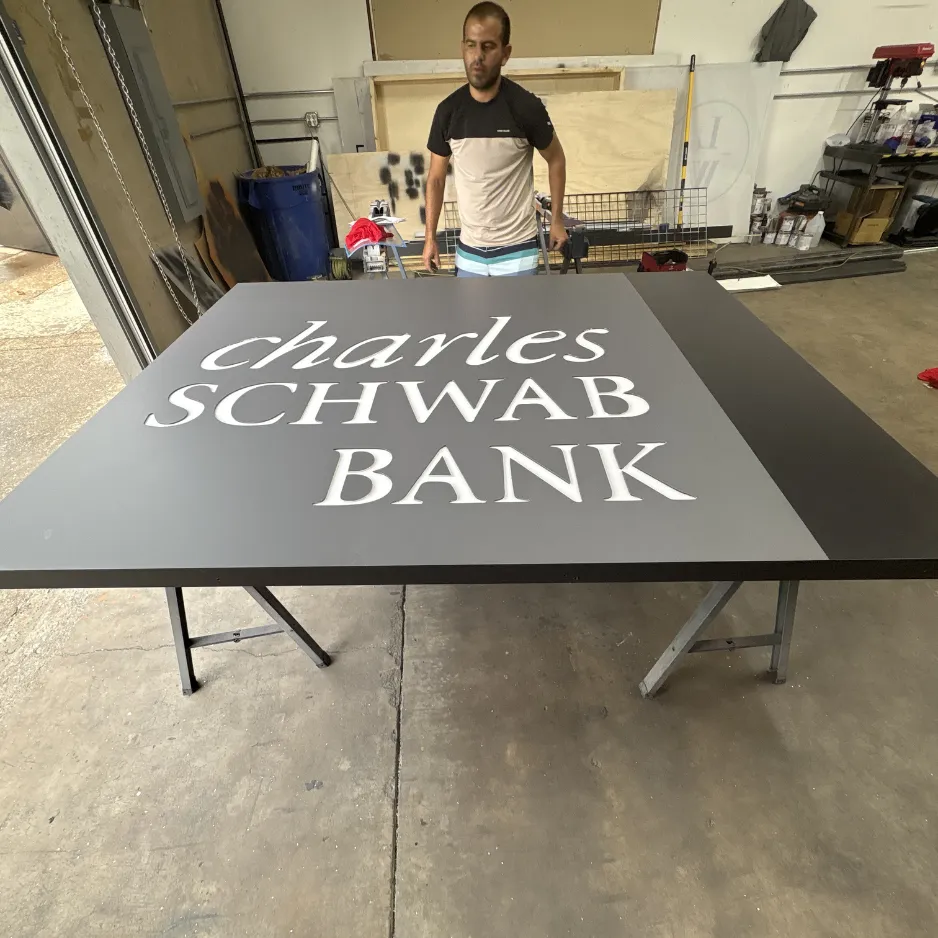
Recent Commercial Sign Projects in Fort Worth and Dallas
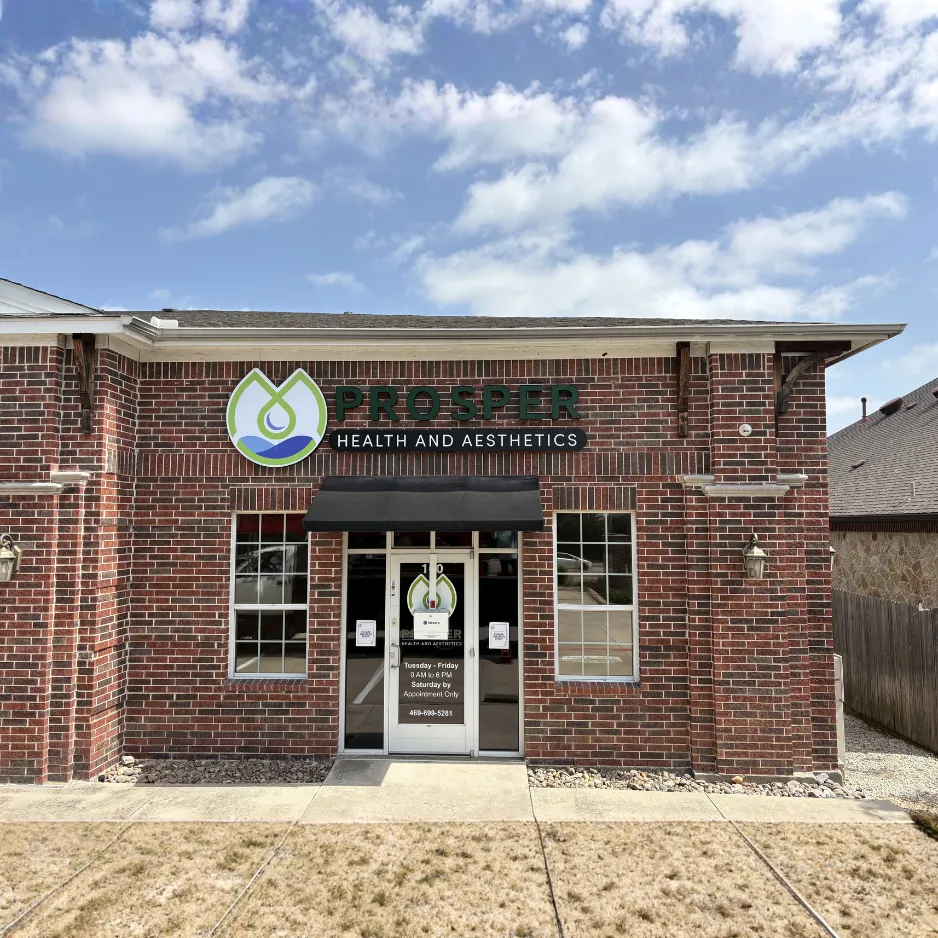
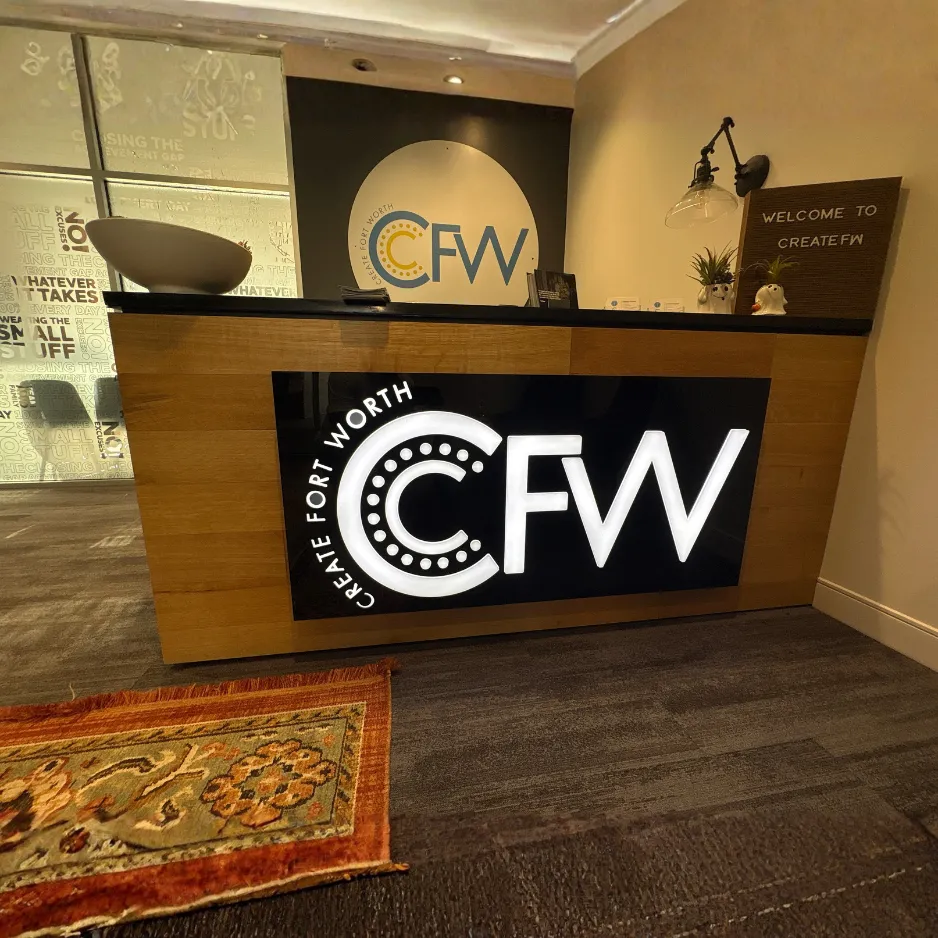
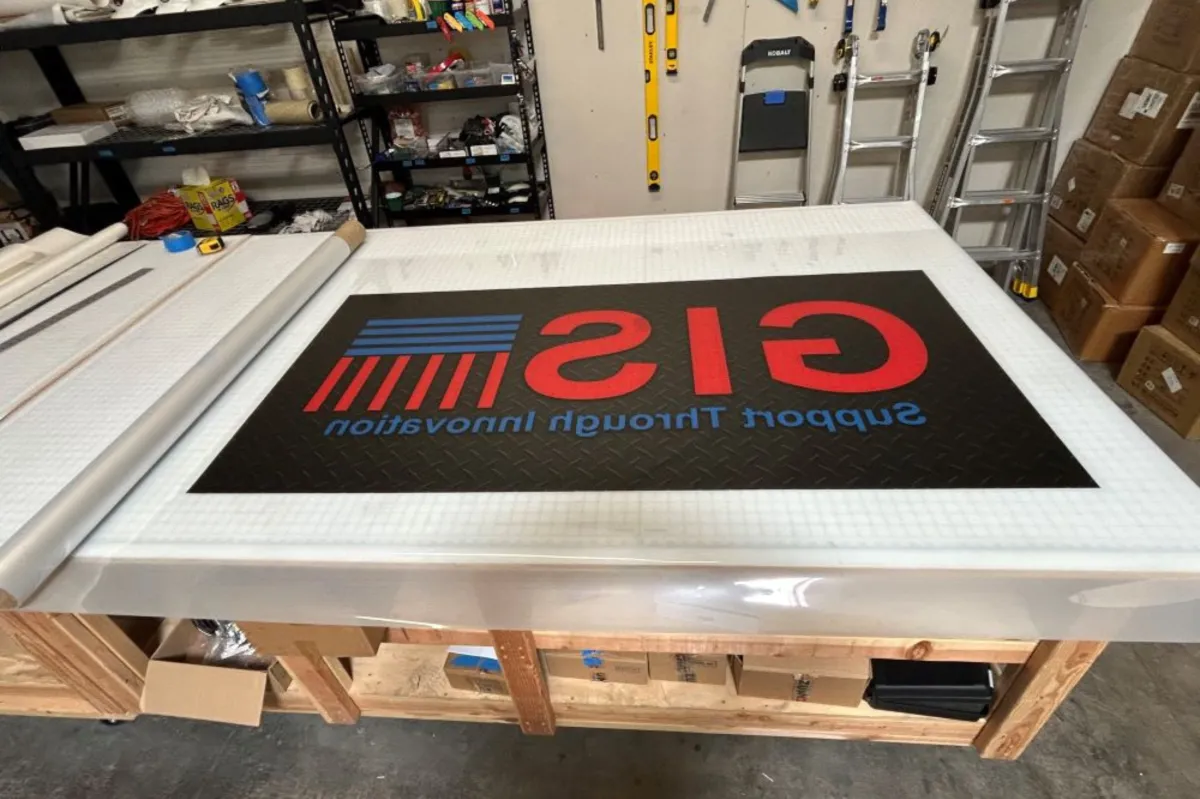
We have supported projects for corporate entities, municipalities and growing businesses throughout Dallas and surrounding communities.




Frequently Asked Questions About ADA Signage
Do all businesses need ADA compliant signage?
Most commercial buildings open to the public must include ADA compliant room identification signage for permanent spaces such as restrooms and conference rooms.
What type of braille is required for ADA signage?
ADA compliant signs typically use Grade 2 braille, which is a standardized system used for accessibility signage across the United States.
Where should ADA signs be placed?
ADA room identification signs are usually installed on the wall next to the door rather than on the door itself to ensure they remain accessible when the door is open.
Do ADA signs need specific colors?
ADA signage must maintain high contrast between text and background to ensure readability for individuals with low vision.
Trusted by Businesses Across Fort Worth and Dallas
As a Texas HUB-certified and nationally certified Minority Business Enterprise through the DFW MSDC, Elevated Exposure Signs and Graphics is committed to delivering high-quality, compliant signage solutions with integrity and professionalism.
Serving Businesses Across the Dallas Fort Worth Area
Elevated Exposure Signs and Graphics provides signage solutions for businesses across the Dallas Fort Worth region including:











Planning ADA Signage for Your Business
Businesses opening new locations or renovating commercial spaces should evaluate ADA signage requirements early in the design process.
ADA compliant signage often includes:
Room identification signs
Restroom signs with braille
Exit signage
Accessible entrance signs
Directional signage
Planning these elements early helps ensure the building meets accessibility requirements.





Electrical Signage Notice
Electrical Signage Notice: Elevated Exposure Signs and Graphics provides design, fabrication coordination, and project management services for illuminated signage. All electrical installation work is performed by properly licensed Texas electrical sign contractors in accordance with state and local regulations.