




Trade Show and Event Signage Services in Dallas Fort Worth
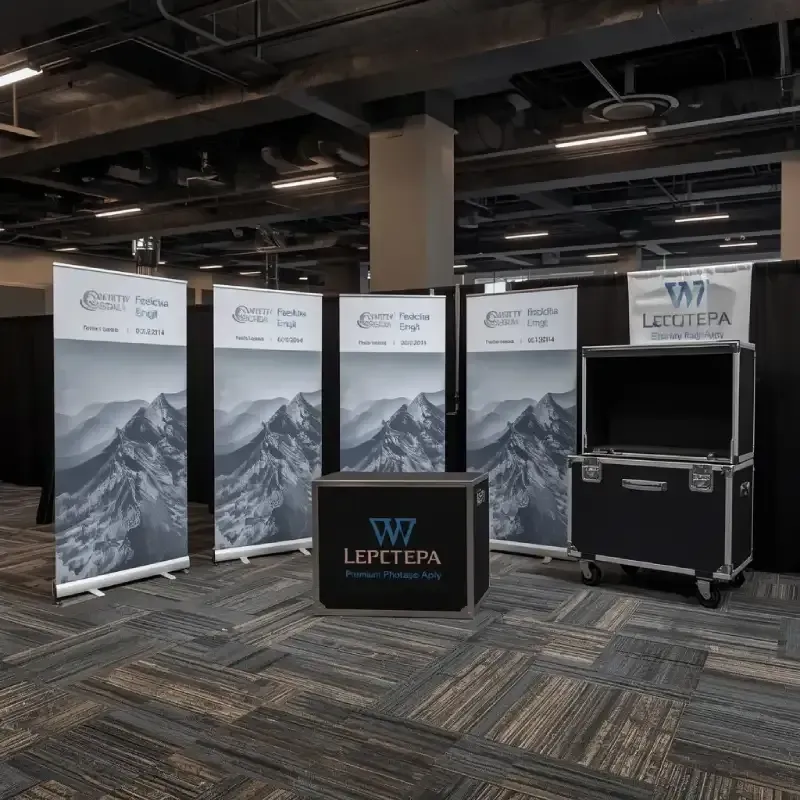
Event signage is the portable, reusable graphics a business brings to a trade show, conference, expo or vendor event: booth backdrops, retractable banner stands, branded table covers, step and repeat walls, hanging signs and floor graphics. It differs from permanent building signage in one way that matters for how it is built. Event signage has to pack down into a case, travel, go back up in under an hour, and survive doing that a dozen more times.
Elevated Exposure Signs and Graphics prints and builds event signage for exhibitors across Dallas, Fort Worth and the surrounding metroplex. We work backward from your show date, not from a generic production queue, because a booth graphic that arrives the day after load-in is worth nothing.

Event Signage for Conferences, Expos and Vendor Events
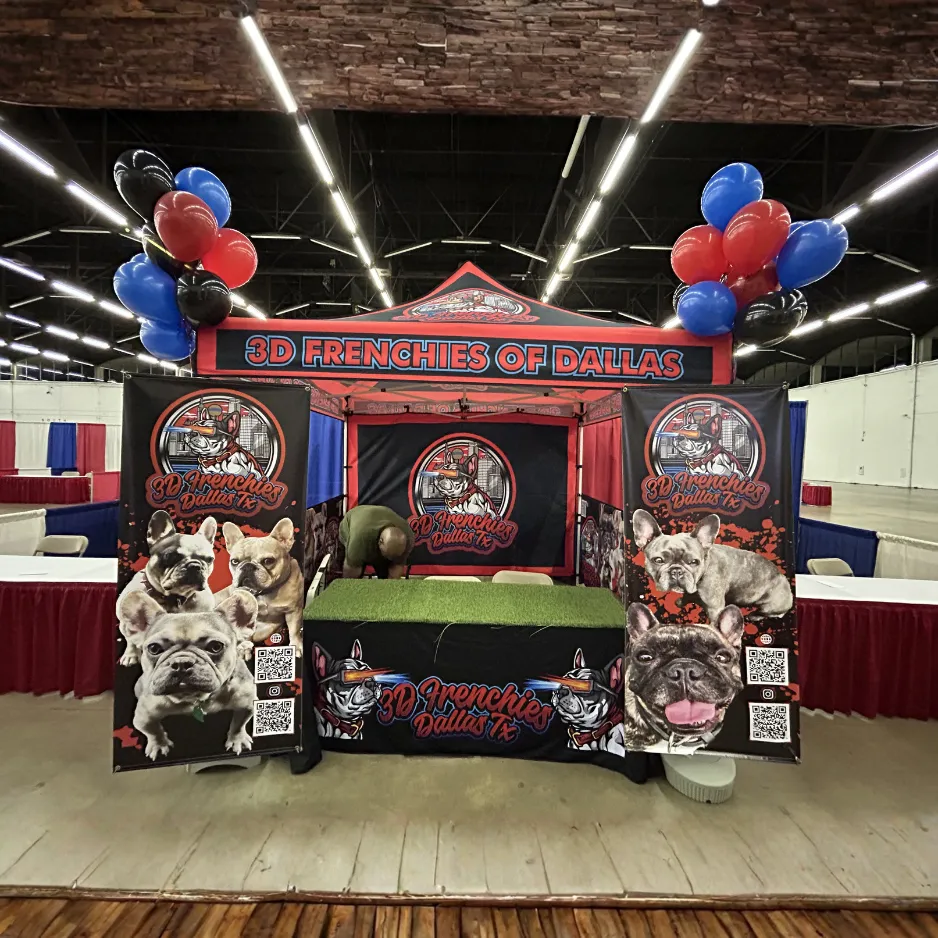
Businesses across the Dallas Fort Worth area regularly participate in conferences, trade shows and networking events where professional booth displays and promotional signage play a major role in attracting visitors.
Event signage helps businesses present their brand clearly while communicating key messaging within busy exhibition environments.
Elevated Exposure Signs and Graphics provides event signage solutions designed to help businesses stand out at trade shows, conferences and promotional events throughout the DFW metroplex.
Common Event Signage Solutions
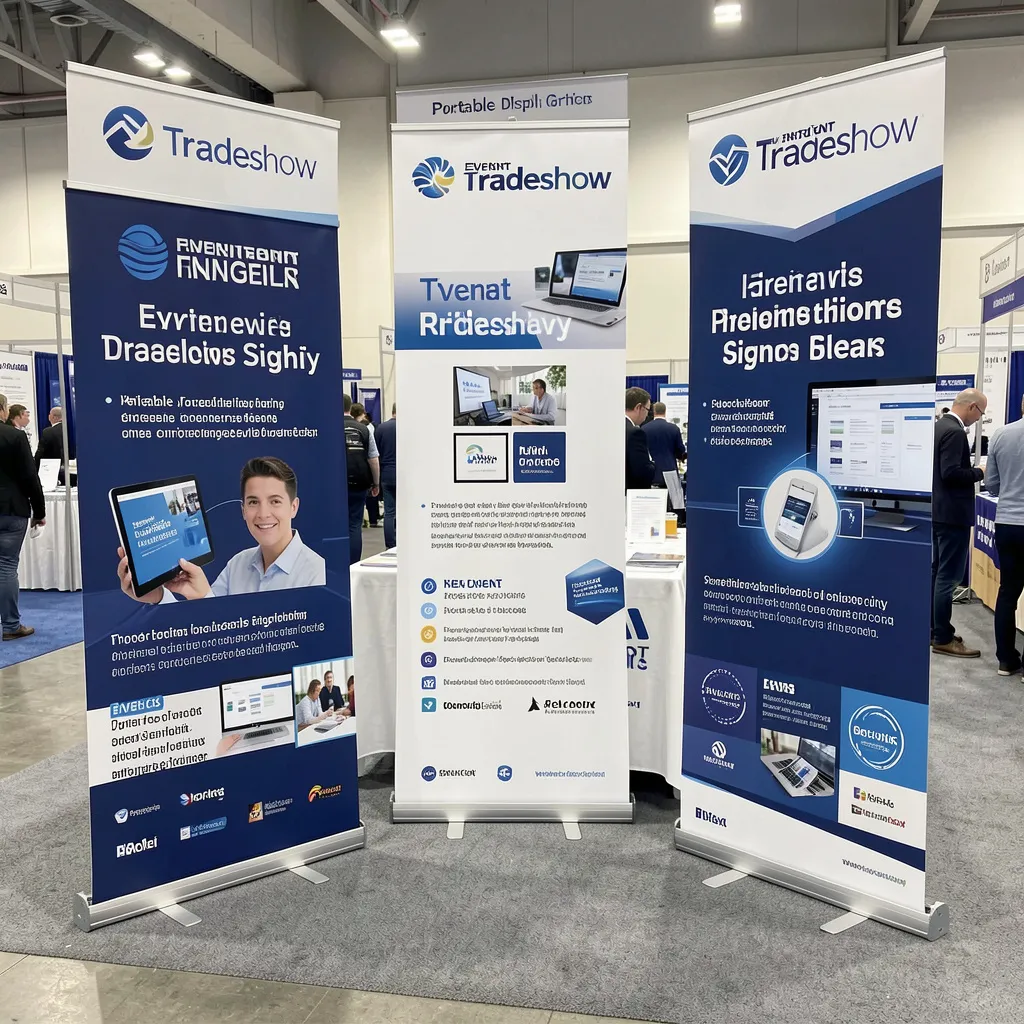
Businesses attending conferences and industry events often rely on a combination of portable displays and promotional graphics.
Successful event signage focuses on clarity, visibility and strong brand presentation. Graphics should be easy to read from a distance and communicate a clear message about the business or organization. Businesses benefit from using high contrast colors, simple messaging and recognizable branding elements when designing booth signage.

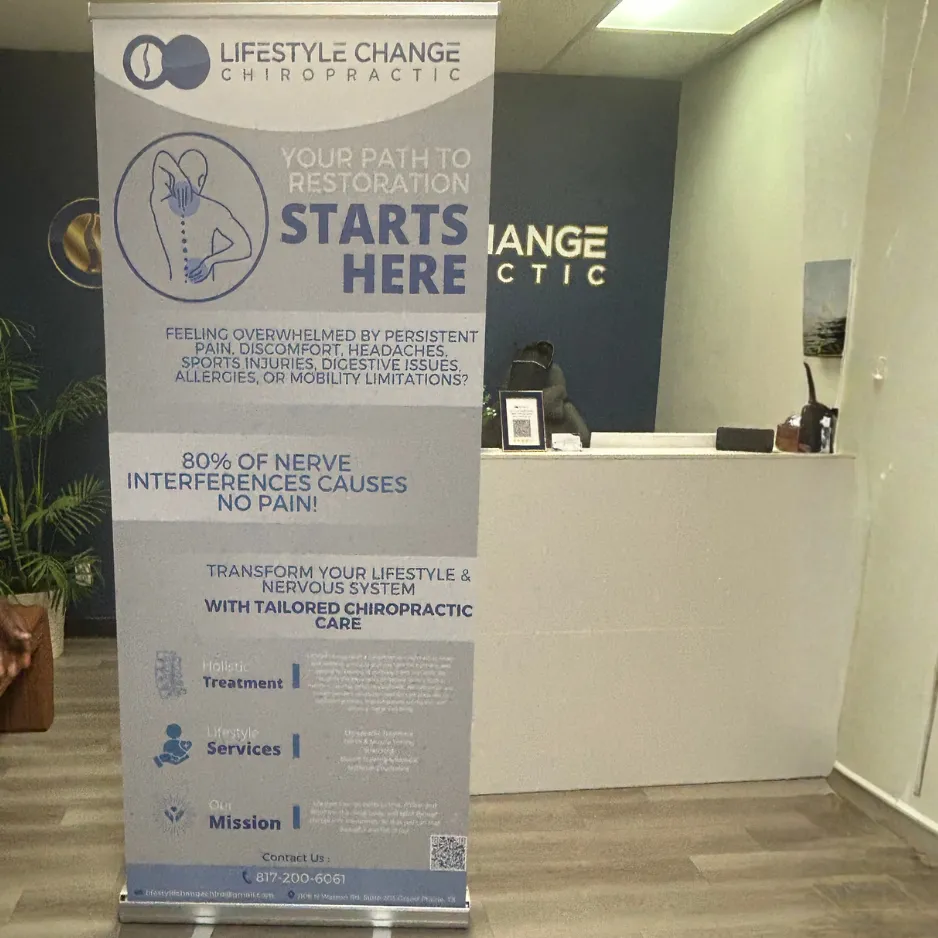
Retractable Banner
Stands

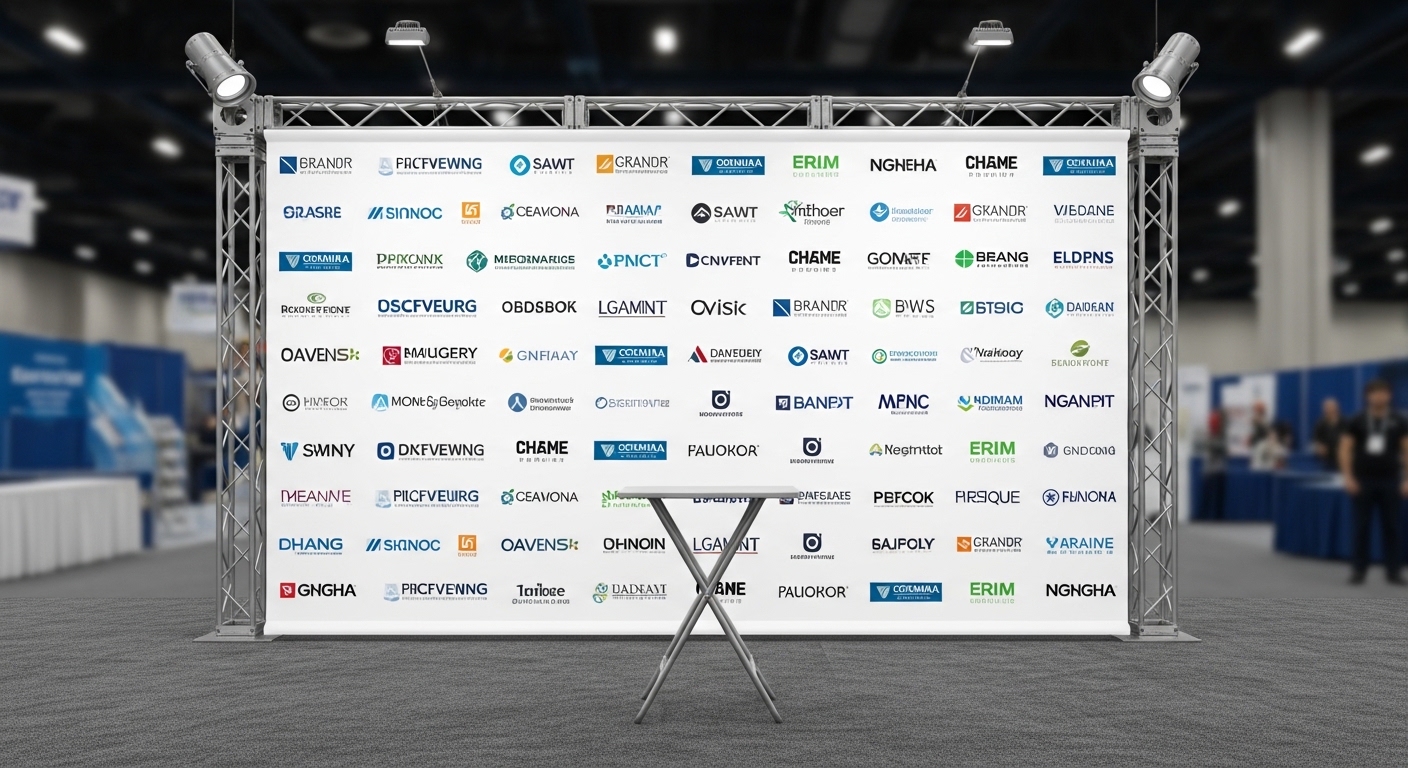
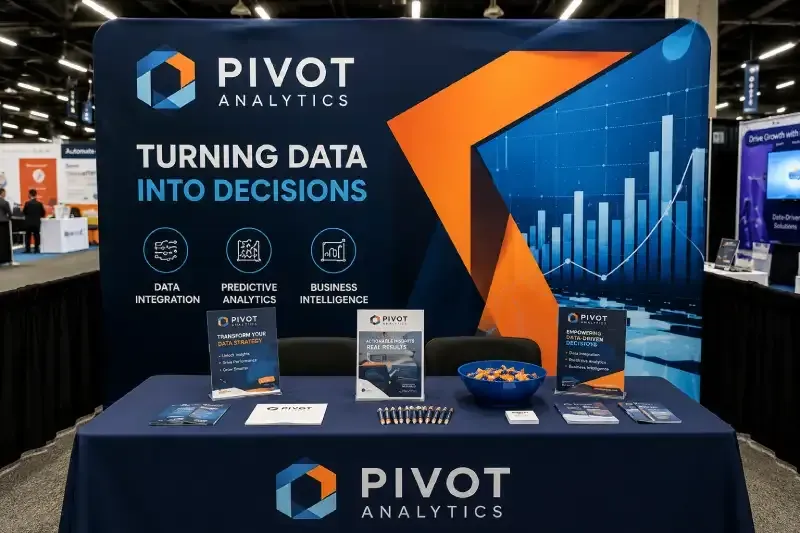
Tradeshow Booth
Backdrops

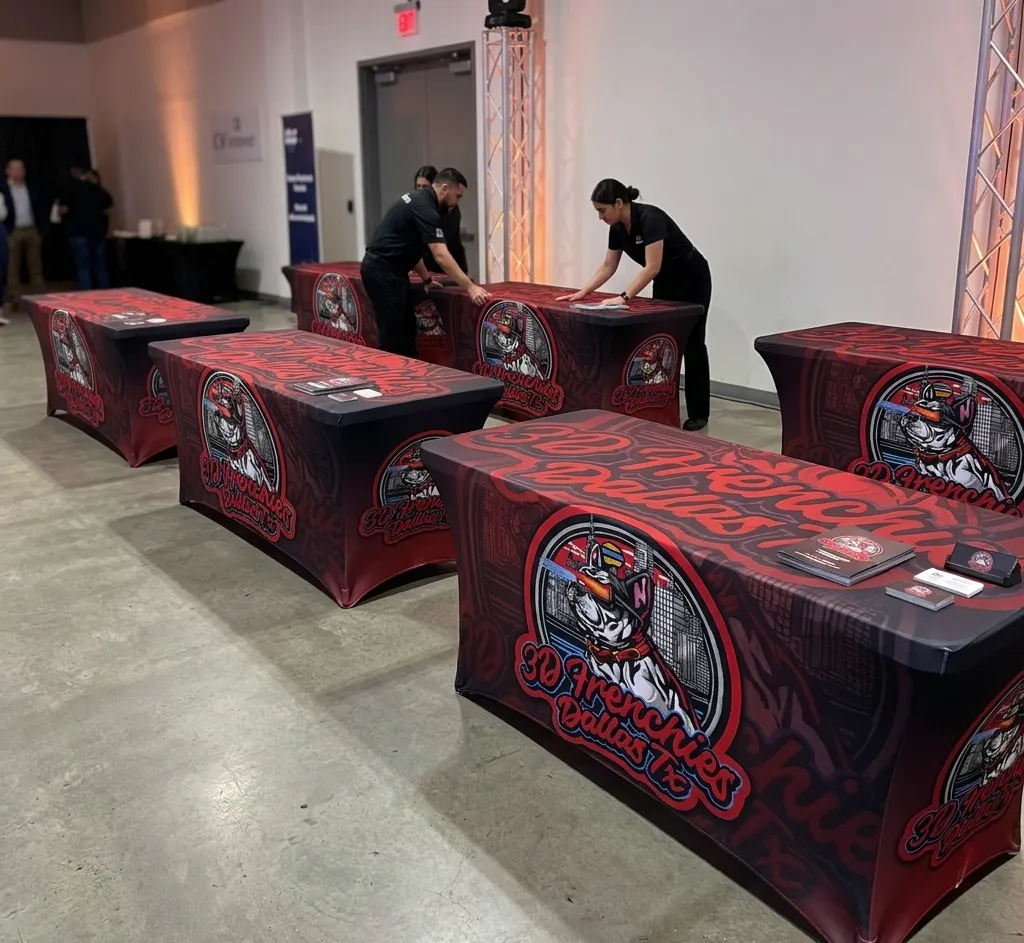
Branded Table
Covers

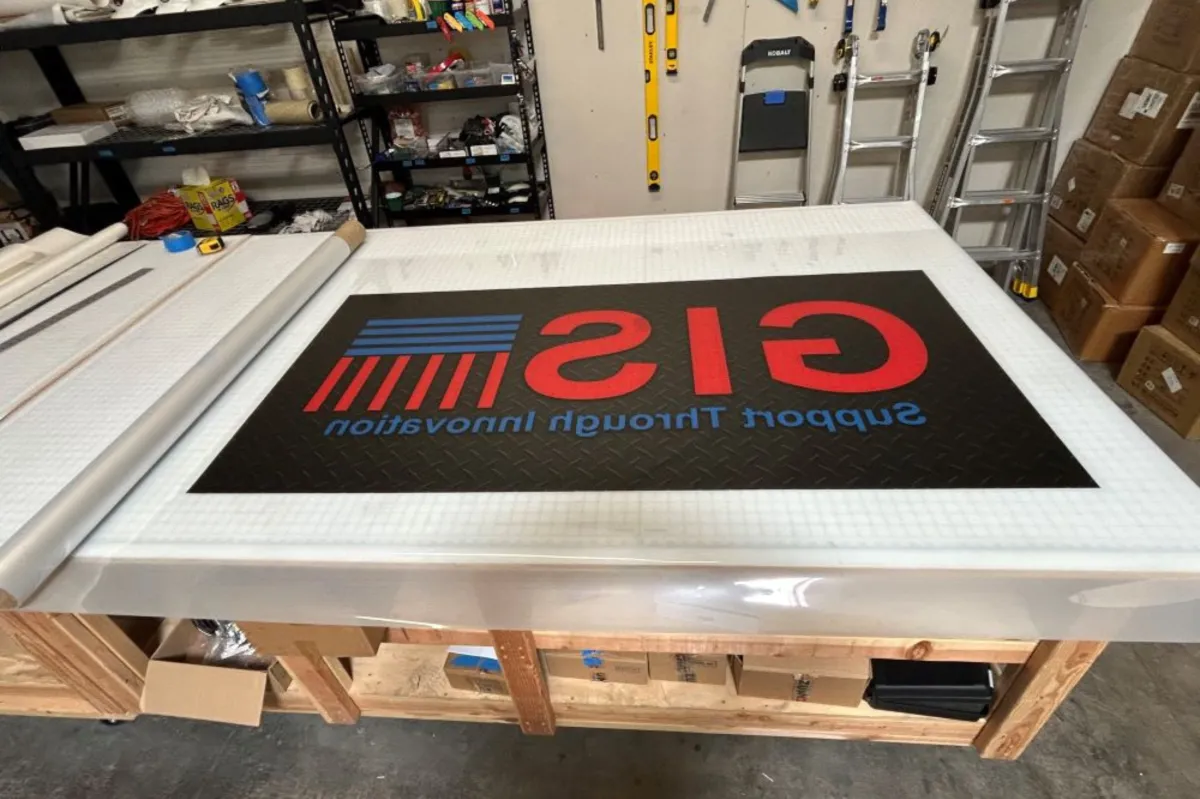
Portable Display
Panels

Vinyl Event
Banners

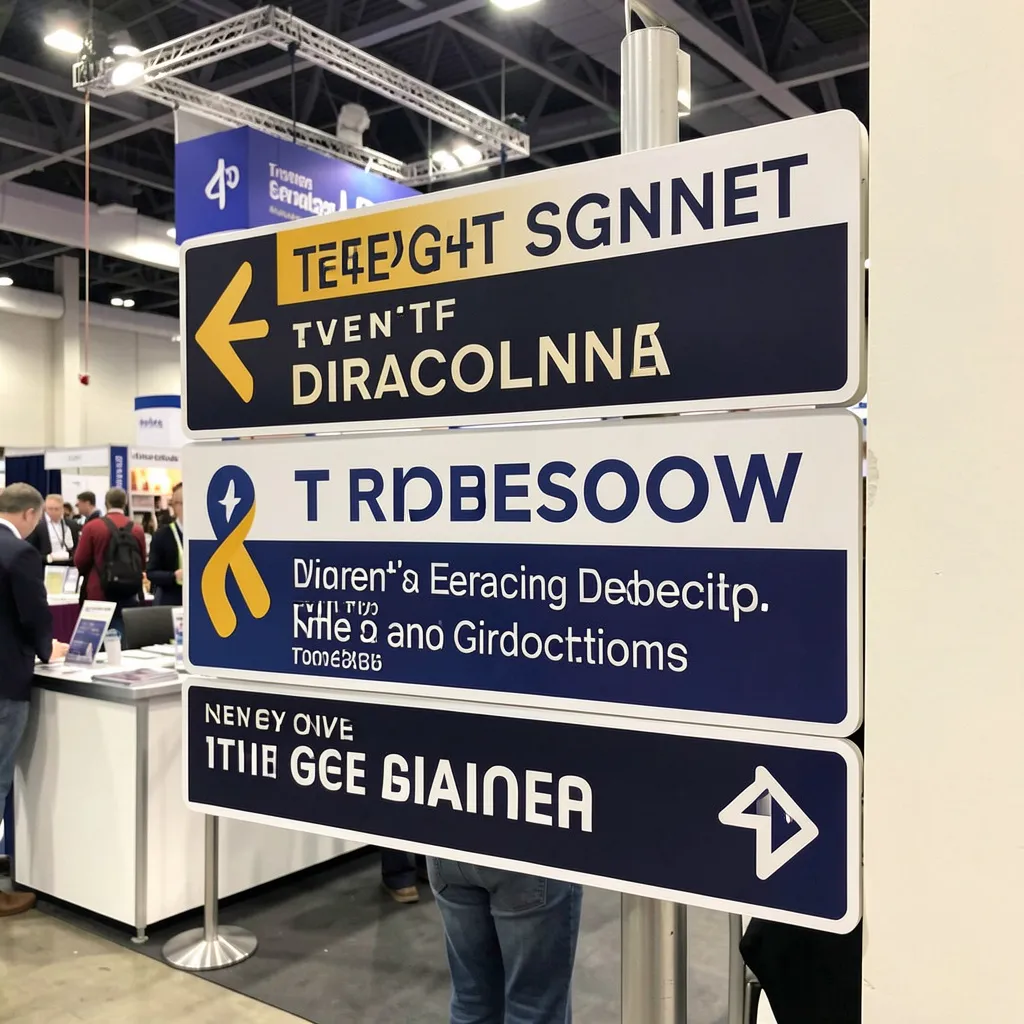
Directional Event
Signage
These elements help businesses create visually engaging booth environments that attract visitors and reinforce brand messaging.
Tradeshow Booth Displays
Tradeshow booths require clear visual communication that can be seen from across an exhibition hall.
Retractable Banner
Backdrop graphics
Product display signage

Branded booth graphics
Portable pop up displays
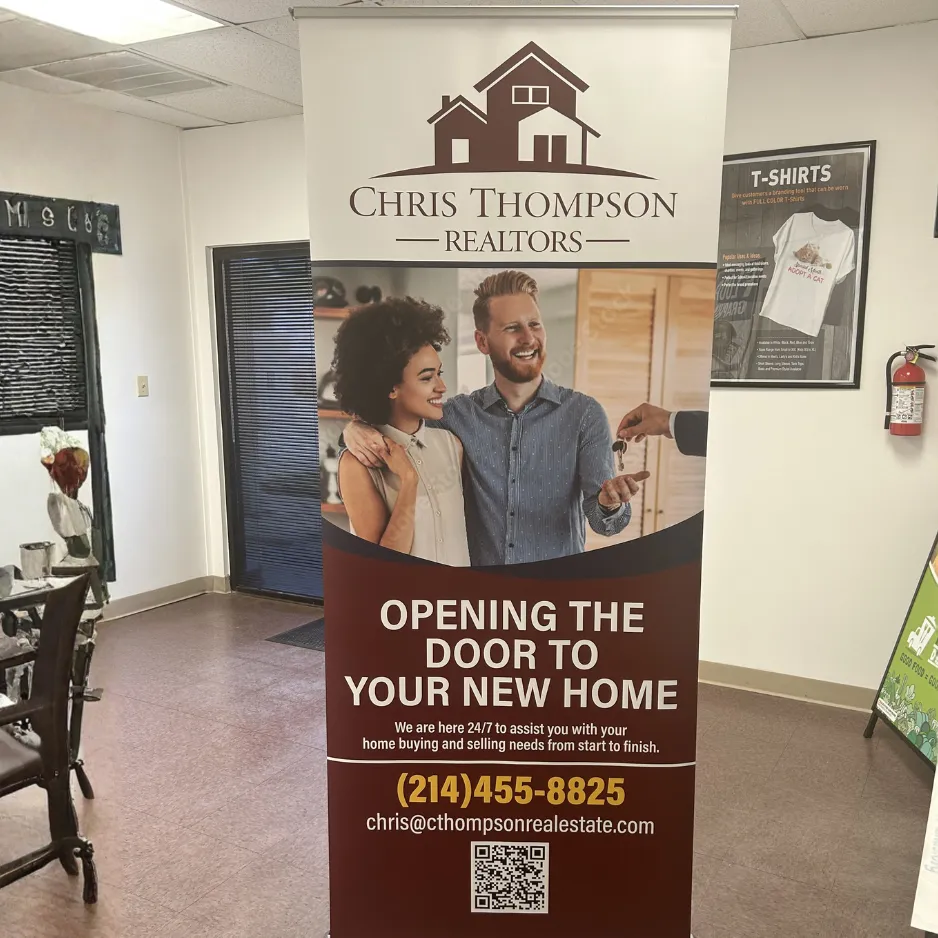
These displays help businesses create organized booth environments that guide visitors toward their brand.
Event Banners and Promotional Displays
Event banners help businesses communicate messaging throughout conference venues and exhibit halls.
Vendor booth banners
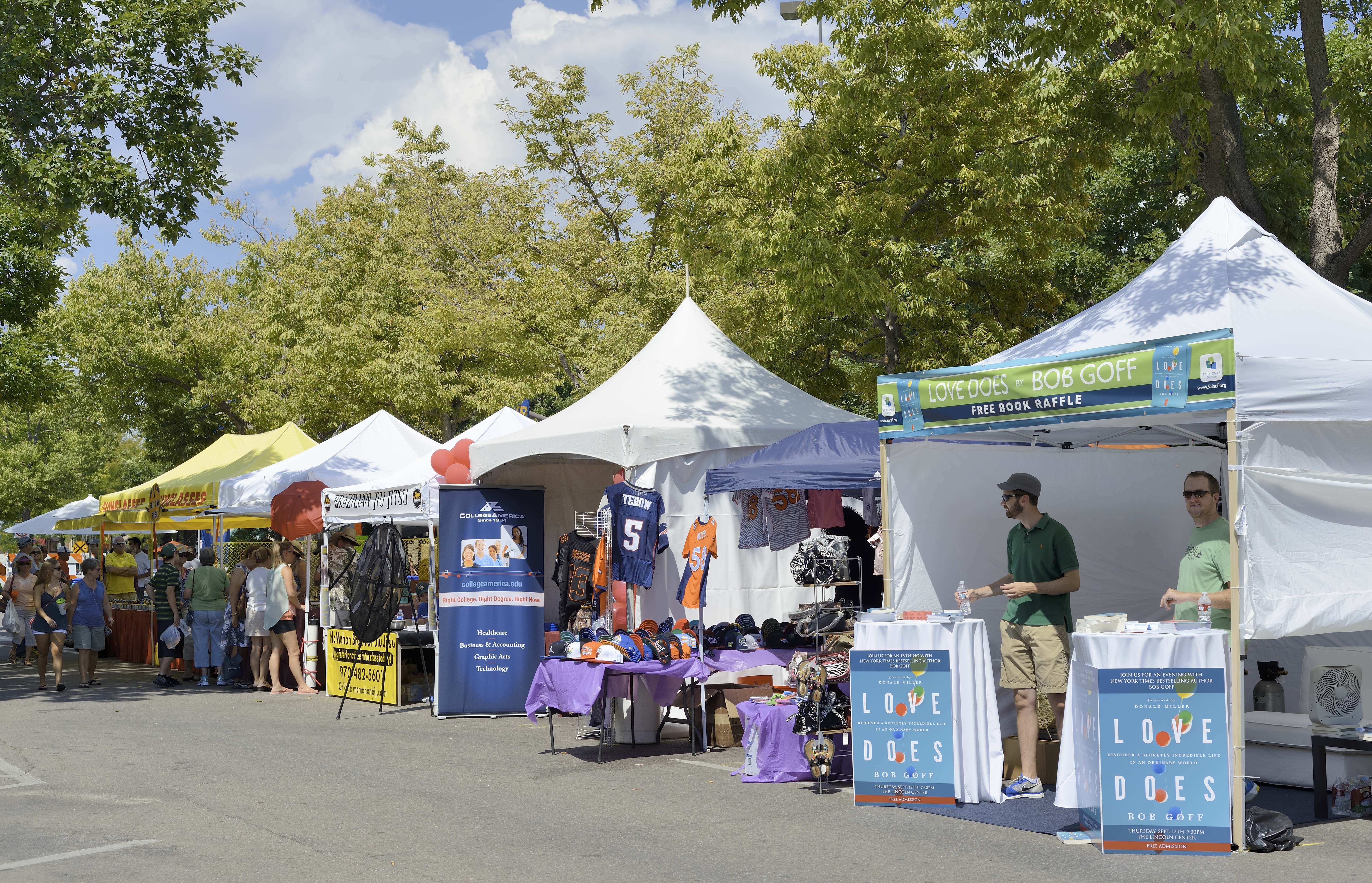
Sponsor banners
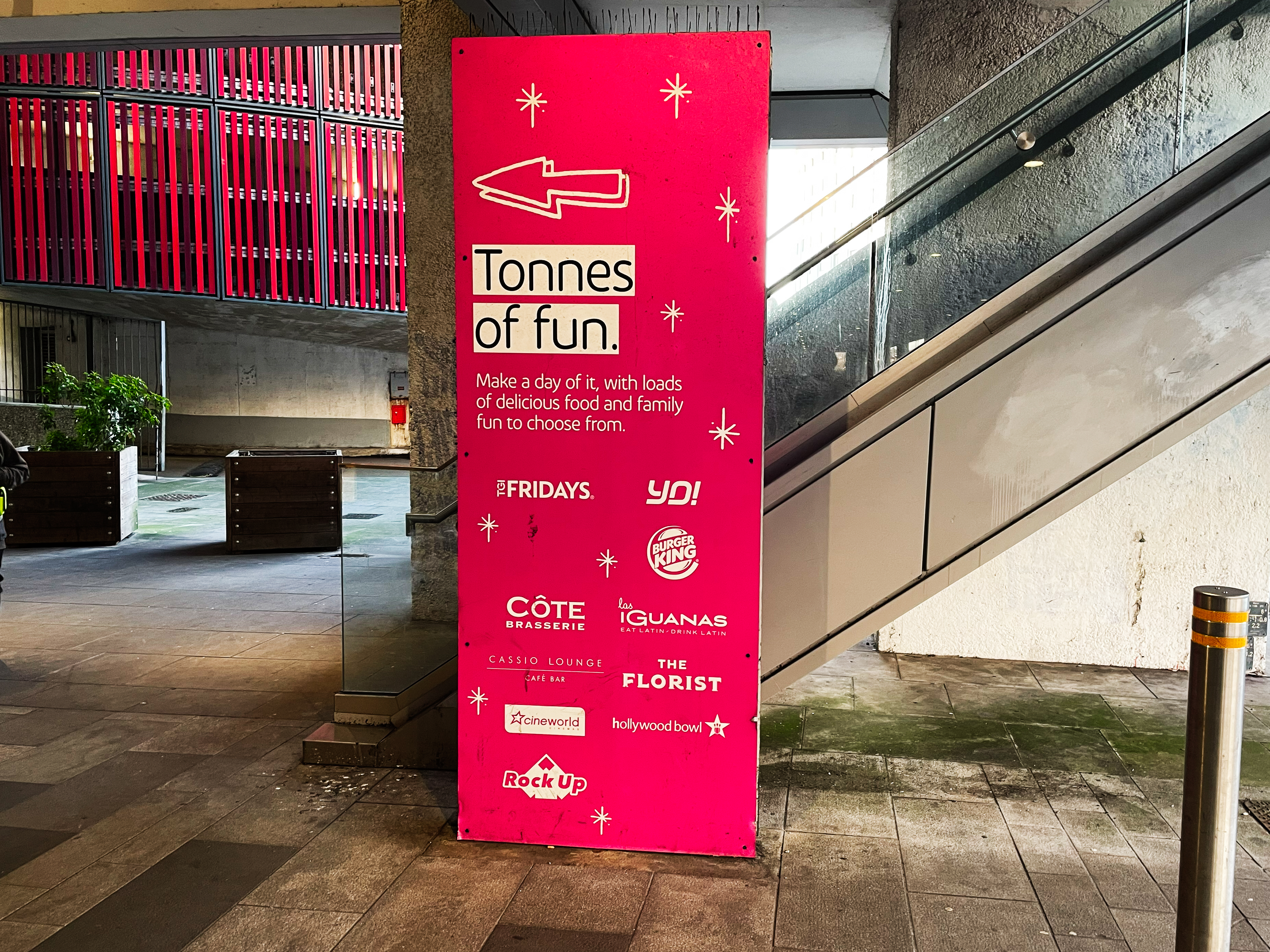
Stage backdrop
banners
Promotional product
banners
Directional signage for attendees
These signage systems help businesses reinforce brand visibility across event environments.
Floor Graphics, Wayfinding and Registration Signage
Booth graphics get all the attention, but the signage that changes attendee behavior is often on the floor and in the aisles.

Floor graphics
A printed floor decal at the mouth of a booth does something a backdrop cannot: it works on people looking down while they walk, which at hour four of a trade show is most of them. Event floor graphics need a textured, slip resistant laminate and an adhesive that comes up off convention center carpet or polished concrete without leaving residue, because you will be charged for what you leave behind.

Directional and wayfinding signage
If you are hosting the event rather than exhibiting at one, wayfinding is the difference between a smooth room and a hundred people asking your staff where registration is. A-frames, foam board panels on easels, and hanging directional signs handle most of it. The rule that matters is that a directional sign has to be readable at walking speed from about fifteen feet, which means far fewer words than most people put on them.

Registration and check-in signage
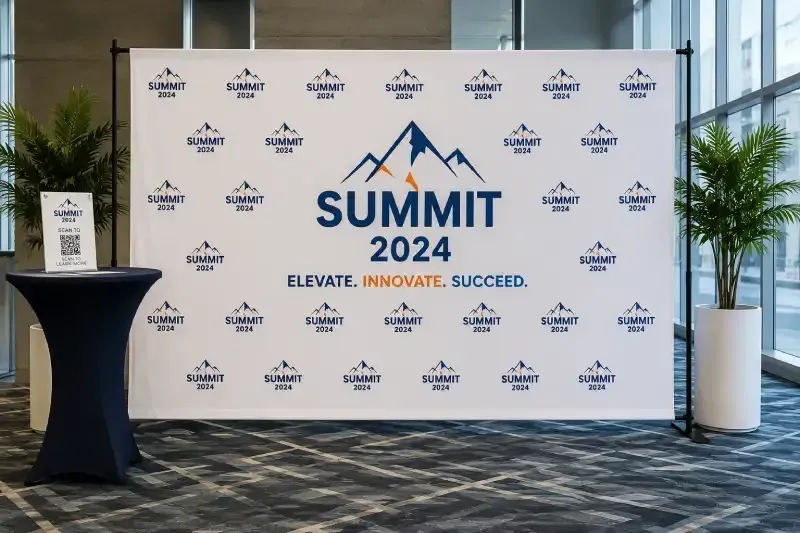
Registration is where the attendee forms their first impression of the event, and it is usually the worst signed area in the room. A branded backdrop behind the check-in table, a clear panel showing which line is which, and a step and repeat backdrop nearby for photos cover it. Our step and repeat backdrops page goes deeper on the photo wall side.
Outdoor Event Signage: Tents, Feather Flags and Weather
A lot of DFW event marketing happens outdoors, at farmers markets, festivals, home shows, ballpark events and community fairs. Outdoor signage is a different engineering problem than booth signage and the failure modes are wind and sun rather than wear.
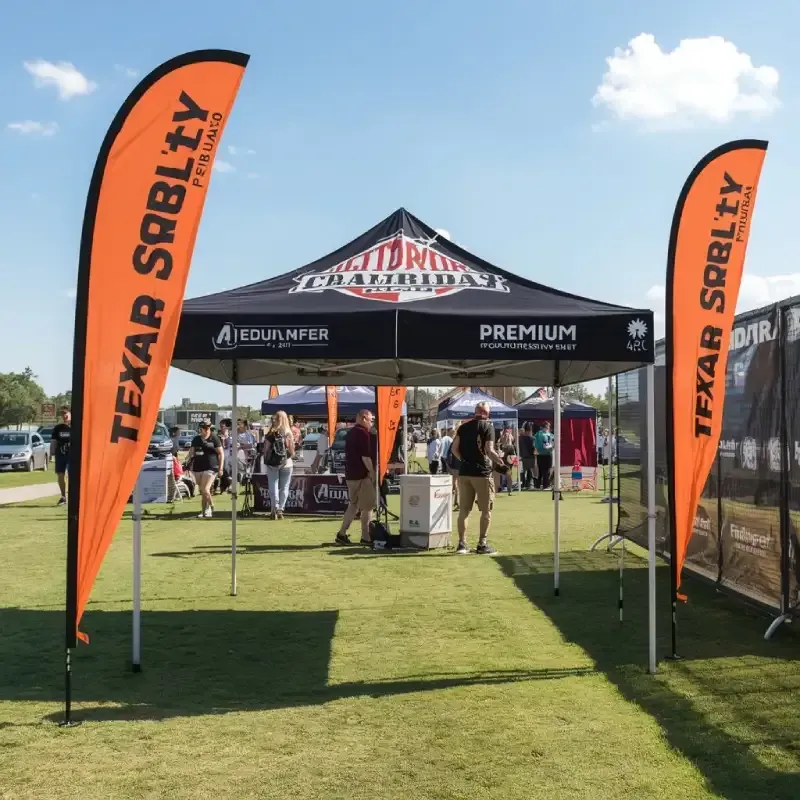
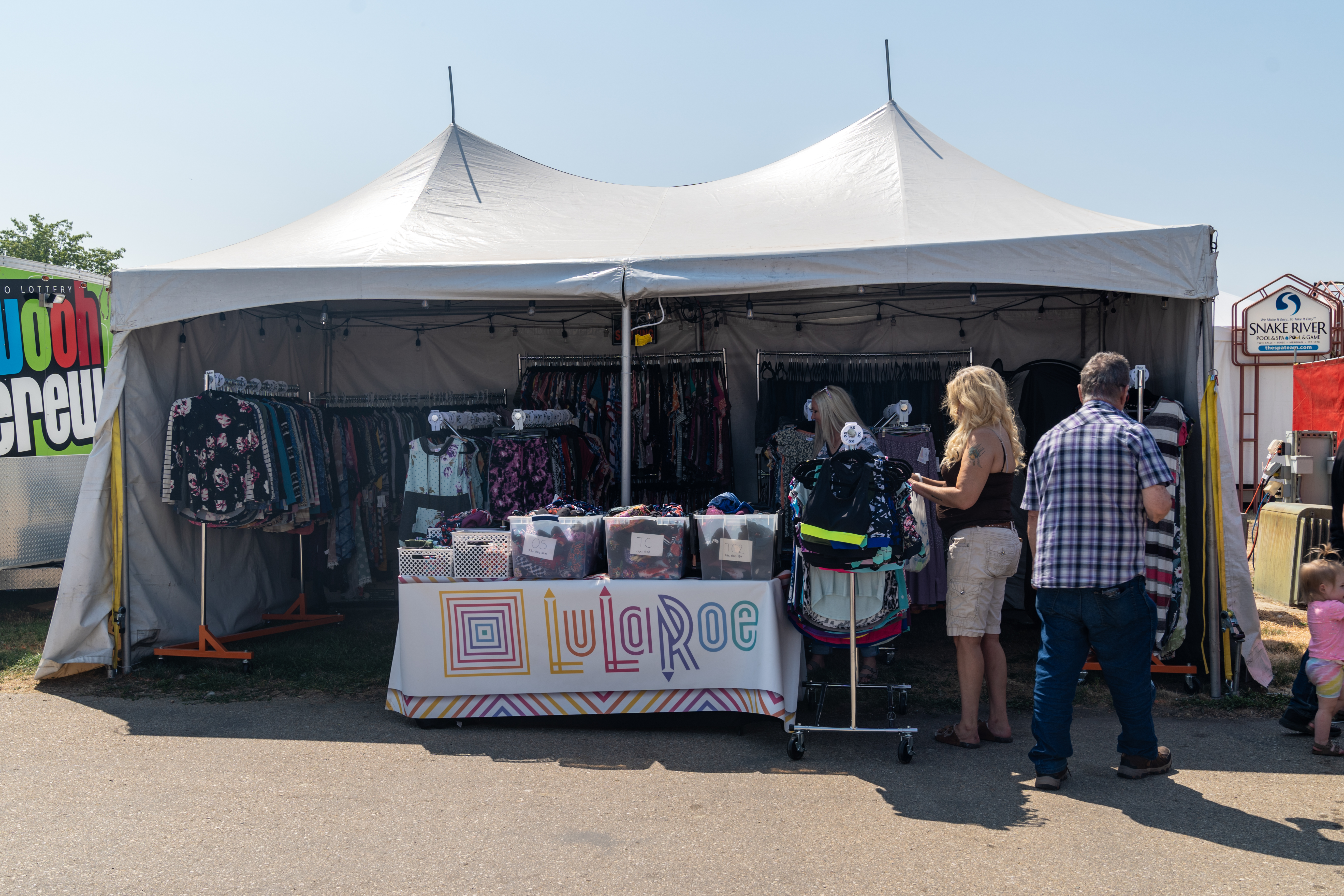
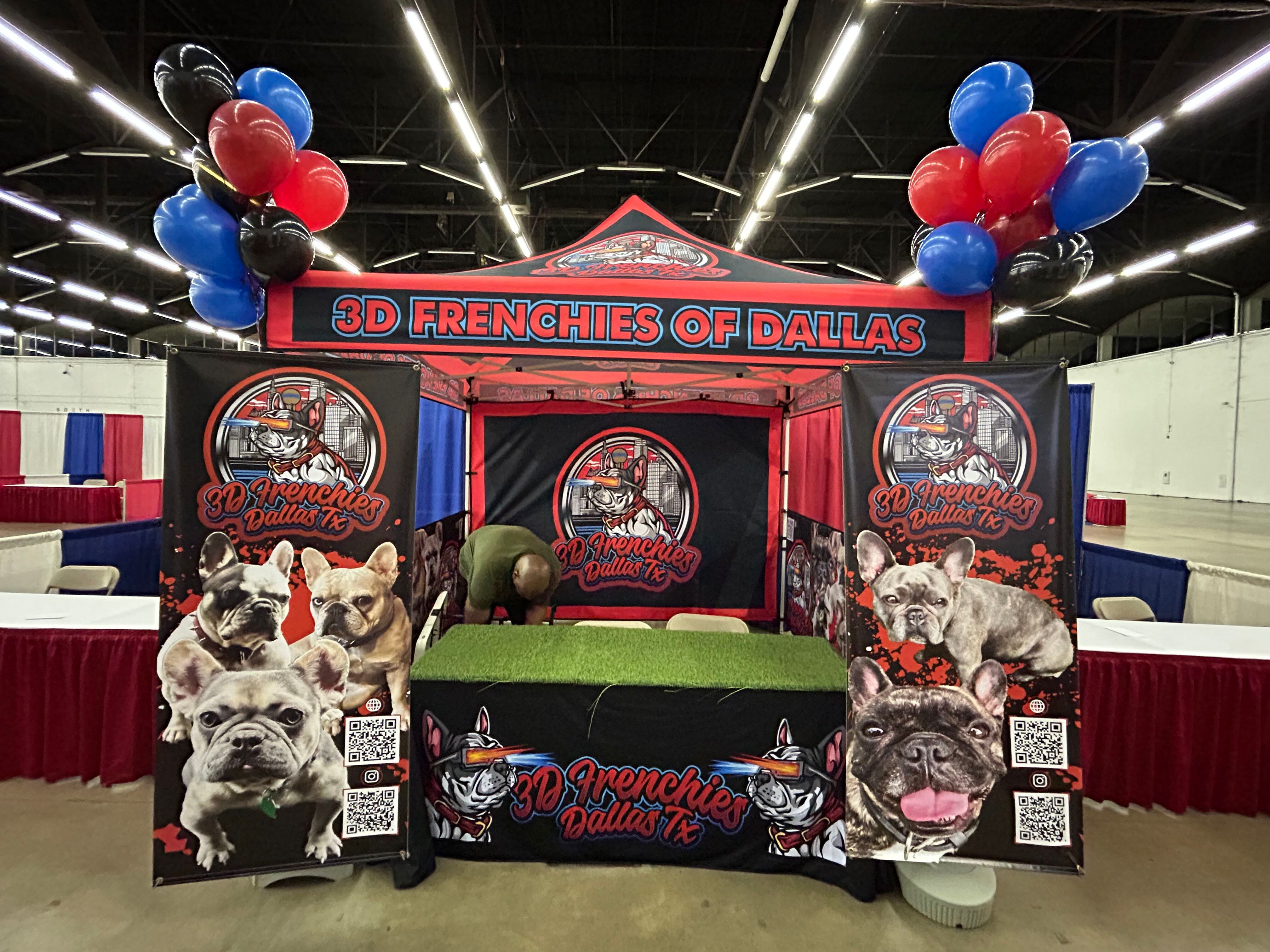
Printed canopy tents are the anchor for an outdoor booth. A ten by ten branded canopy with a printed valance and optional printed side walls gives you shade, a defined space and a logo visible from across a field. The part people skip is weights. Every venue that has ever had a tent go airborne now requires weighted legs, and forty pounds per leg is a common minimum. Confirm it before you show up with stakes for an asphalt lot.
Feather and teardrop flags are the most cost effective outdoor visibility per dollar we sell. They move in wind, which is what makes them work, and they read from a distance where a banner is still illegible. In Texas sun the thing that matters is ink and fabric UV rating, because a flag printed on cheap polyester with low grade ink visibly fades in a single summer of weekend events.
Mesh banners deserve a mention for fence installations. Solid vinyl on a chain link fence in North Texas wind becomes a sail and either tears at the grommets or takes the fence with it. Perforated mesh lets the wind through and stays put.
Portable Displays Designed for Events
Portable signage systems allow businesses to participate in multiple events while maintaining consistent branding.
Retractable banner stands
Portable backdrops
Fabric displays
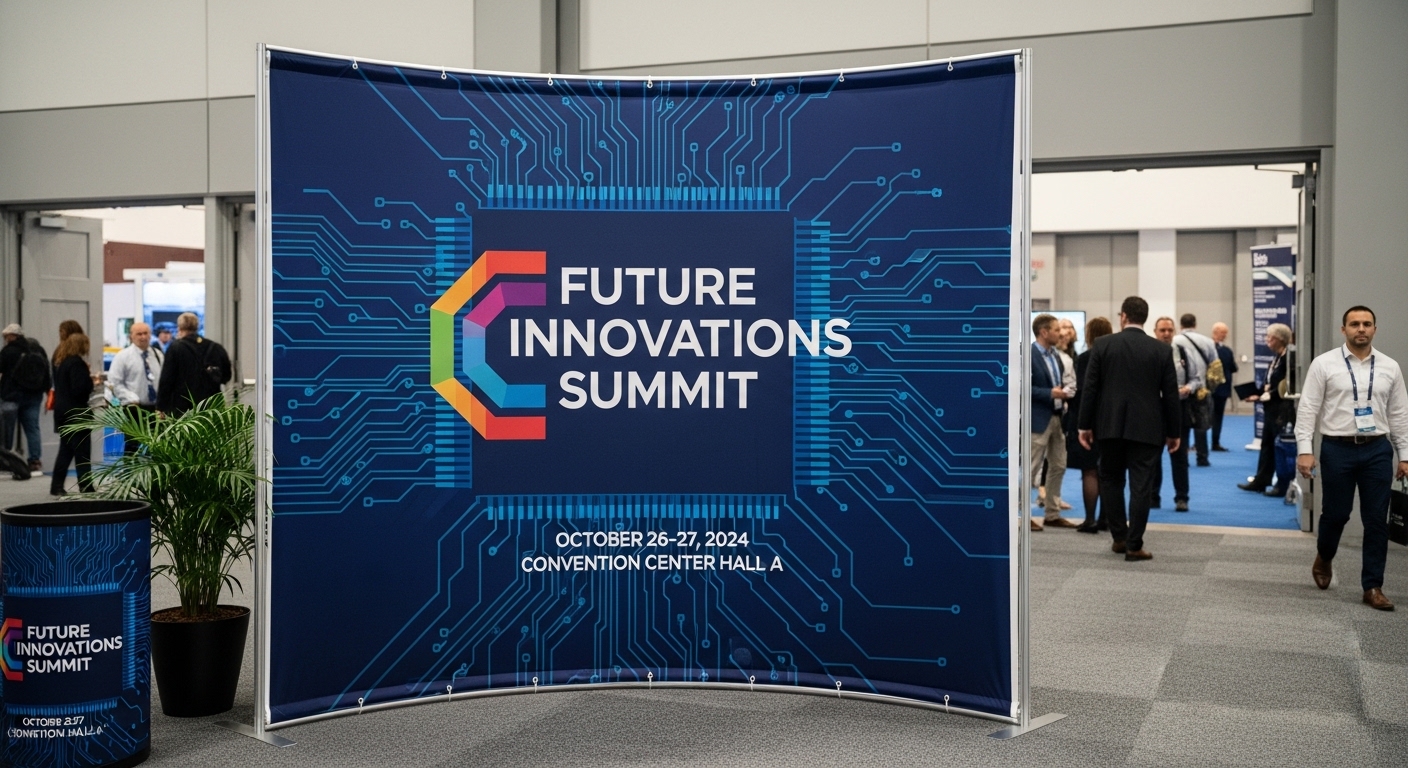
Modular booth graphics
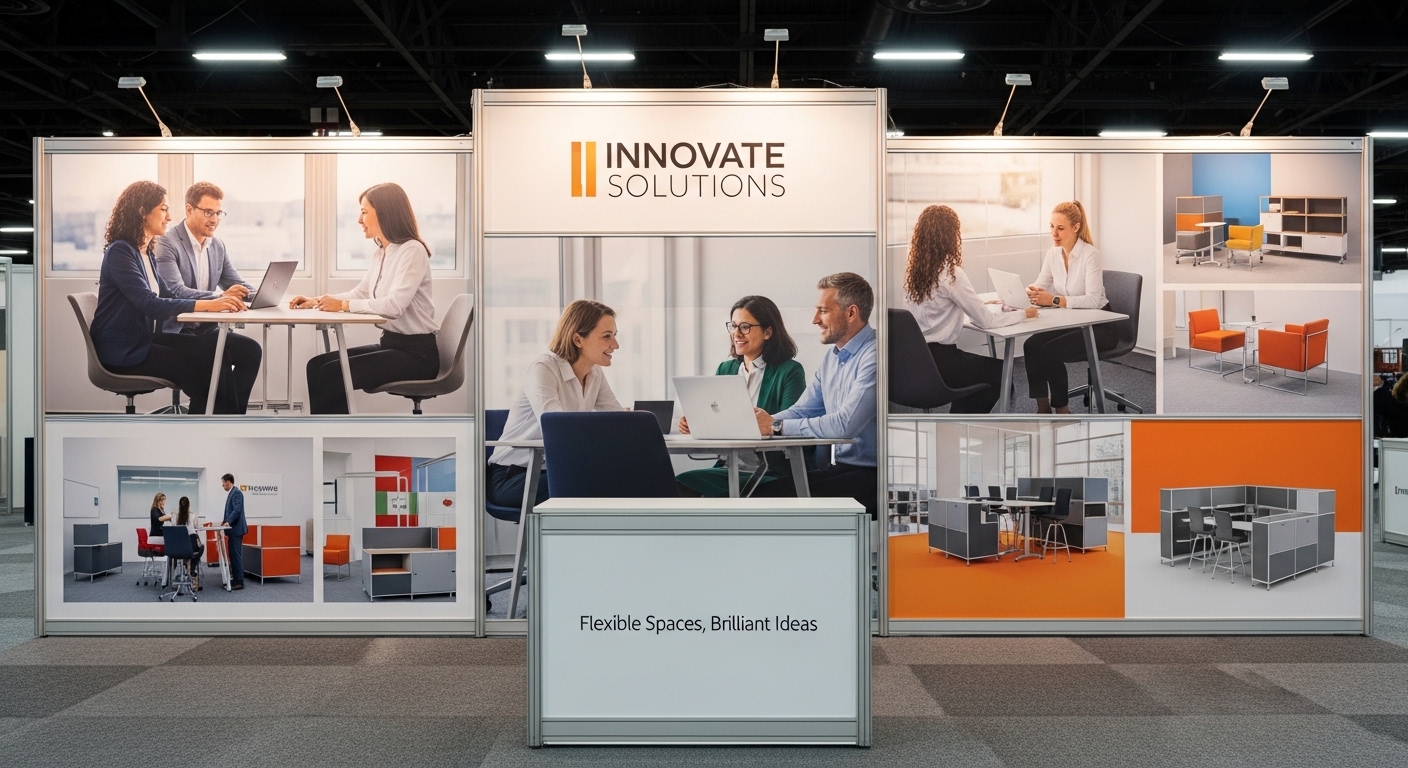
These solutions are designed for easy transportation, fast setup and repeated use across conferences and exhibitions.
What Event Signage Is Actually Made Of
Most exhibitors compare event signage by price and never ask what the thing is built from, which is how you end up with a backdrop that wrinkles in the case and a banner stand that will not survive its third show. The materials and the hardware are the whole difference between a display you replace every year and one you use for five.
Fabric versus vinyl
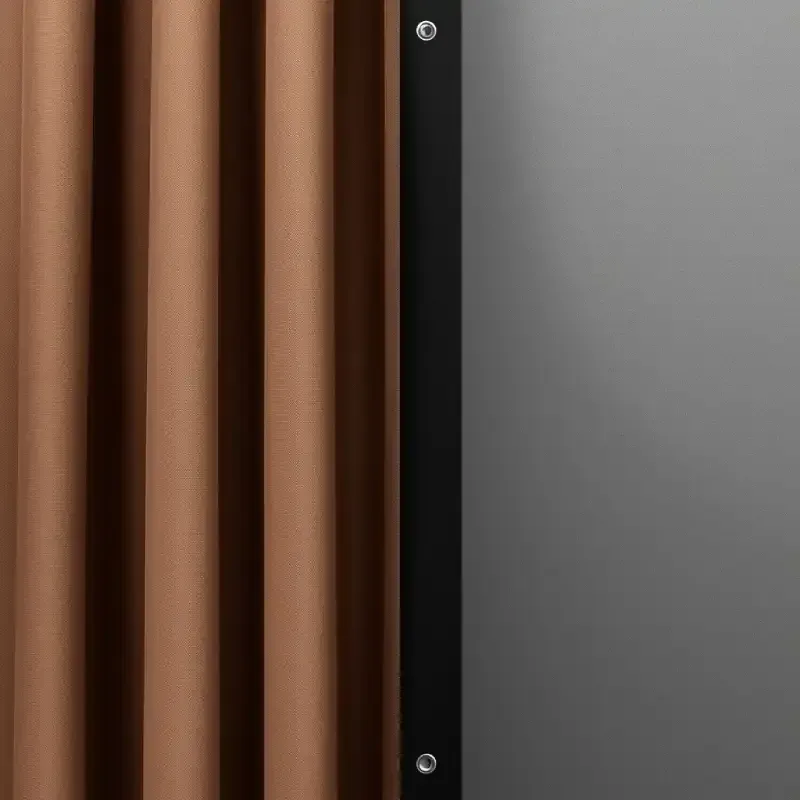
Tension fabric is dye sublimated polyester, which means the ink is bonded into the fibers rather than sitting on top. It comes off the frame, folds into a bag, goes through a washing machine if it has to, and stretches back flat with no crease line. That is why almost every backdrop and table cover we build for repeat exhibitors is fabric.
Scrim vinyl is the other common choice. It is heavier, it is opaque, and it takes grommets, so it is the right call for a banner that gets zip tied to a railing outdoors or hung across a booth opening. It also creases where you fold it, so vinyl belongs on a roll or a tube, not in a duffel bag.
The hardware is what breaks first
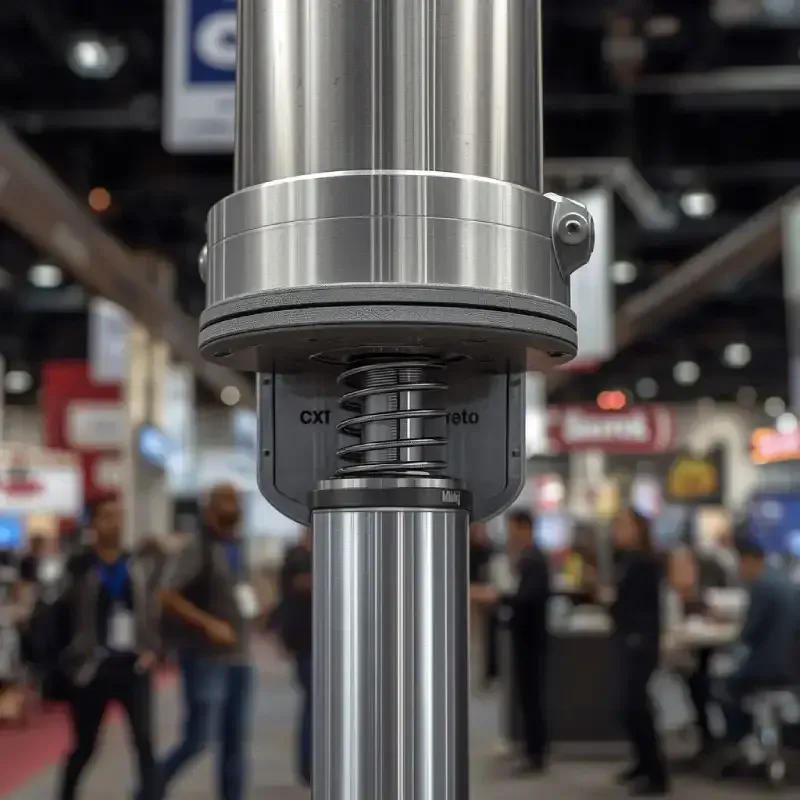
Retractable banner stands pull the graphic up out of an aluminum base on a spring loaded cassette. They are the fastest to set up and the easiest to damage, because the graphic and the mechanism are one unit. A cheap cassette lets the print drift off center within a few shows. A quality one lets you swap the cartridge and keep the base, which is worth asking about before you buy four of them.
Telescopic and spring back systems separate the graphic from the frame entirely. They take a few minutes longer to assemble and they last considerably longer, which is the trade most exhibitors with a full show calendar end up making. Aluminum tube frames with push button connectors are the standard for backdrops in the eight to ten foot range.
One practical note from building these for DFW exhibitors: ask what the display weighs assembled and what the case weighs packed. A booth kit that needs two people and a dolly to move changes how you plan load-in, and convention center labor rules can make that an unexpected line item.
Event Signage Sizes and How They Fit Standard
Trade show booths come in a small number of standard sizes, and once you know which one you have, the signage decisions get much simpler. Here is how the math usually works out.
The 10 by 10 inline booth
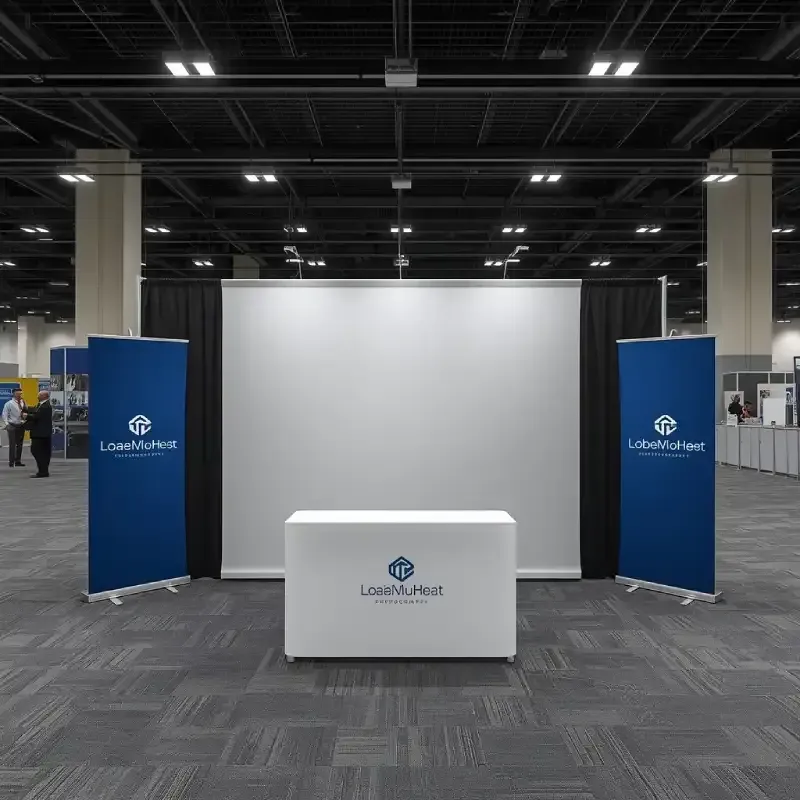
This is the entry footprint at most DFW shows and it gives you roughly ten feet of back wall and eight feet of usable height before the show's height restriction kicks in. An eight foot wide backdrop centers on the back wall and leaves room to walk behind it. A ten foot backdrop fills the wall completely and looks better in photos, but check whether your booth is measured to the outside or inside of the pipe and drape, because the difference is real.
Two retractable banner stands flanking a six foot table is the most common layout we build for a 10 by 10, and it works because the eye reads the backdrop first, the banners second, and the table last.
Banner stand and table cover sizes
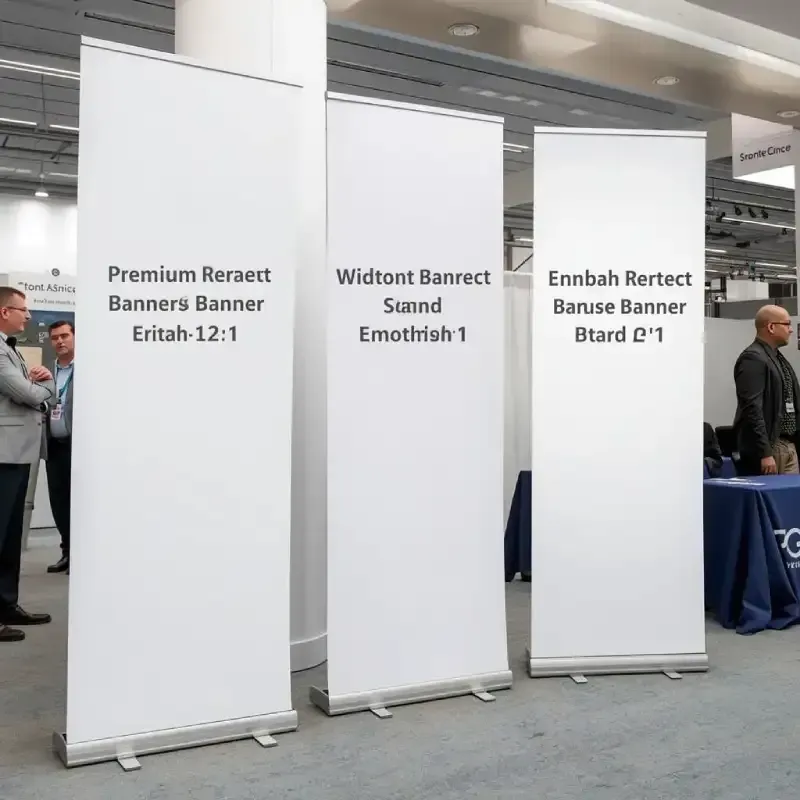
Retractable banner stands cluster around three widths: roughly 33 inches for tight spaces and aisle ends, 36 inches as the default, and 47 inches when you want the graphic to carry across a room. Height runs between about 78 and 92 inches depending on the cassette. Above eye level is the point, so err taller if the venue allows it.
Table covers follow standard rental table sizes, which means six foot and eight foot are the two you need. A stretch cover on a six foot table reads as a finished piece of the booth. A throw cover on the same table reads as a tablecloth with a logo. Both have their place, and the choice mostly comes down to whether you need storage space underneath.
Larger footprints
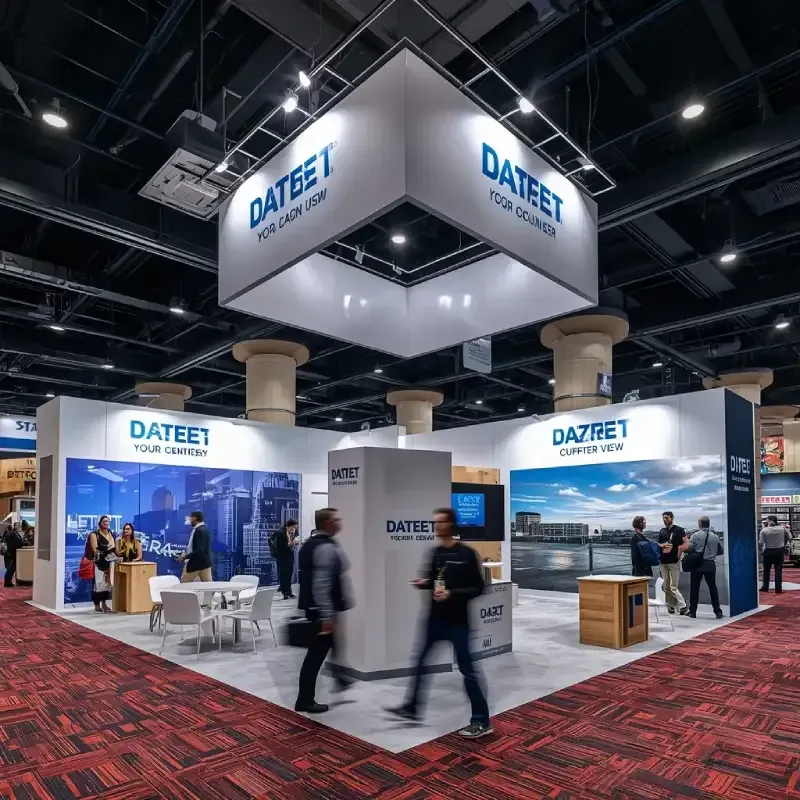
At 10 by 20 you are working with two back walls and the temptation is to print one twenty foot graphic. Modular panels in eight or ten foot sections travel better and let you drop to a 10 by 10 configuration for smaller shows without reprinting anything. Island booths at 20 by 20 and above usually need a hanging sign to be legible from across the hall, and hanging signs are where venue rules bite hardest, so confirm the rigging policy in the exhibitor kit before you design one.
How Businesses Use Event Signage
Businesses across many industries rely on event signage to promote their brand and connect with new audiences.
The event calendar in this metroplex skews toward a handful of sectors, and the signage each one needs is genuinely different.
Energy and industrial exhibitors tend to need durable, heavy use displays and often bring physical product into the booth, which changes the layout: less back wall graphic, more product signage and spec panels. Healthcare and medical device companies show at highly regulated conferences where claims on a graphic may need internal compliance review, so their timeline starts earlier than everyone else's. Our medical and healthcare signage work covers the permanent side of that.
Construction, home services and remodeling businesses live at consumer home shows, where the booth competes with fifty others selling the same thing and the differentiator is usually a before and after photo wall rather than a logo. Real estate and mortgage teams do high volume, low footprint events and get the most out of a good retractable banner and a branded table cover they can throw in a trunk.
Technology and professional services firms show at conference style events where the booth is smaller and the conversation matters more than the graphic, so the signage job is narrow: make it obvious what you do from fifteen feet away. Franchise and multi location brands have the opposite problem, which is consistency across many locations showing at many events, and that is a template and reorder system problem more than a design one. The same applies to companies hosting product launches, company events or promotional campaigns, which often use branded signage and displays to create visually engaging environments
University, nonprofit and community organizations run the same category of outreach and recruitment events referenced above, and the signage brief is usually the same: a backdrop and a table setup that reads clearly to a walk-up audience with no prior context.
Why Businesses Choose Elevated Exposure
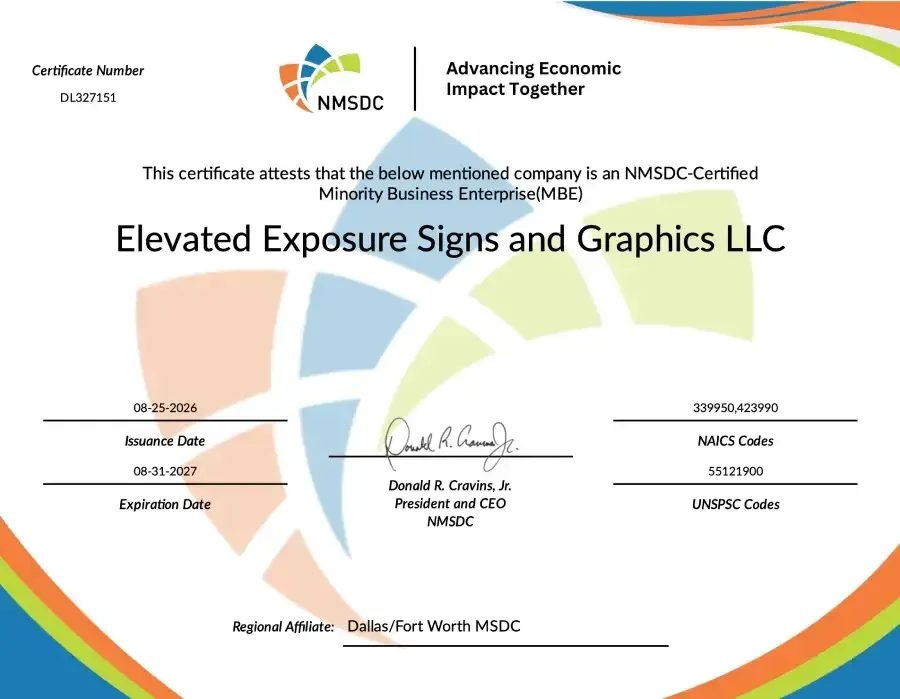
Elevated Exposure Signs and Graphics is a Texas HUB-certified and DFW MSDC-certified Minority Business Enterprise serving businesses across North Texas.
Founded by Keith Mensah, who holds a Master’s degree in City and Regional Planning, the company approaches signage as strategic visual communication designed to help businesses connect with their audience.
From portable banner systems to full tradeshow booth displays, Elevated Exposure helps businesses present their brand professionally at events.
How Far in Advance to Order Event Signage
The honest answer is that the print is rarely what holds things up. Artwork approval is. A booth kit where the files are ready and the design is signed off moves through production quickly. A booth kit where the logo only exists as a small JPEG pulled off a website adds a week before anything gets printed.
Working backward from the show date, a realistic schedule looks like this. Design and proofing takes the longest and depends entirely on how fast your side turns around approvals. Printing and finishing a fabric backdrop, a set of banner stands and a table cover is measured in days once the art is locked. Then you want the finished kit in your hands at least a few days before load-in, so there is time to open the case, assemble it once, and find out that the banner stand cartridge is fine.
For a first time booth, three to four weeks from first conversation to delivered kit is comfortable. For a reorder where the art is already on file and the hardware exists, it is much shorter. Rush production is possible and we do it regularly, because trade show dates do not move, but rush work costs more and it removes the buffer that catches mistakes.
If your show is inside two weeks, call rather than fill out a form. What is achievable depends on which pieces you need and what stock is on hand, and that is a five minute conversation instead of an email chain.
What Drives the Cost of Event Signage
Nobody in this industry publishes event signage prices, us included, and there is a reason that is not just evasiveness. Two booths that look identical in a photo can differ by a factor of three in cost depending on four things.
Hardware quality is the biggest single lever. The graphic itself is a relatively small part of a banner stand's price. The base, the cassette and the pole are most of it, and that is also what determines whether you are buying it again next year. Size is the second lever, and it is not linear. Going from a table cover to a ten foot backdrop is a large jump. Going from an eight foot backdrop to a ten foot one is not.
The third is how much design work sits in front of the print. Files that arrive as press ready vector art with fonts outlined cost nothing to prepare. A logo that has to be redrawn from a screenshot is real design hours. The fourth is timeline, because rush production means reshuffling a print queue.
Where we push back on clients is on buying the cheapest hardware for a booth they plan to use six times a year. The cost per show on a display that lasts five years is a different number than the sticker price, and exhibitors who have already thrown away one set of banner stands tend to understand this without being told. For a broader look at how signage pricing works across categories, our commercial sign cost guide covers the same logic for permanent signs.
Recent Commercial Sign Projects in Fort Worth and Dallas
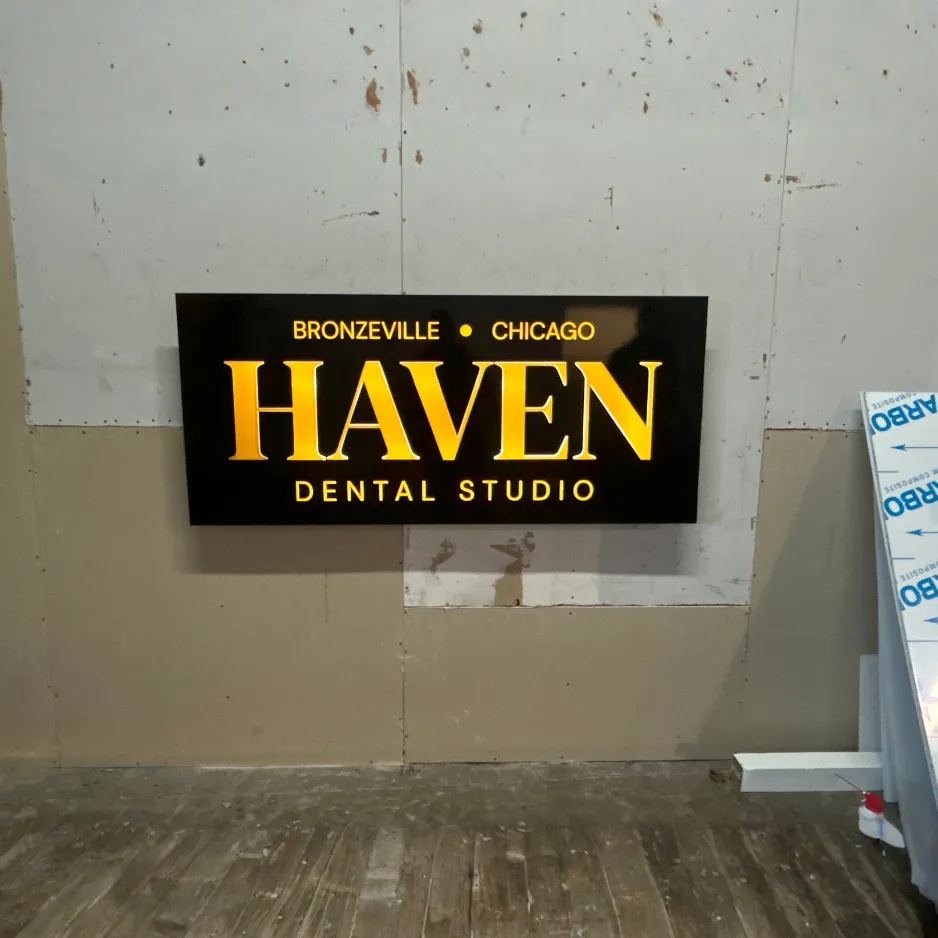
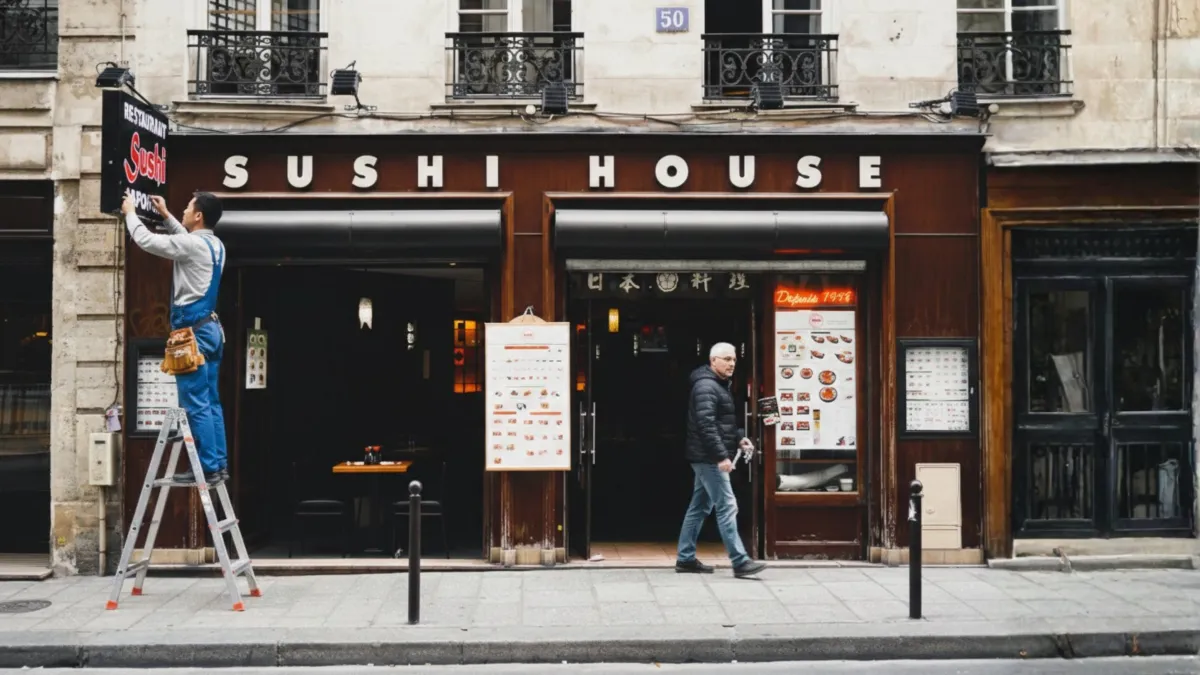
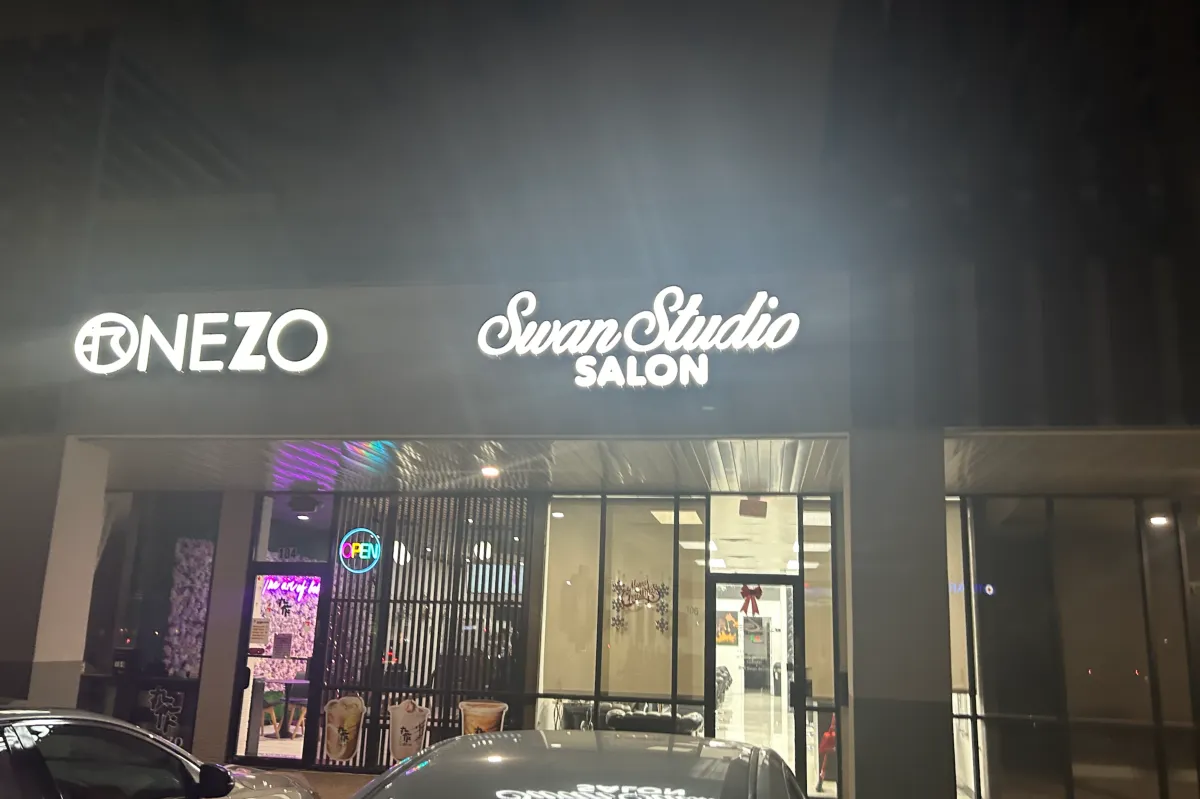
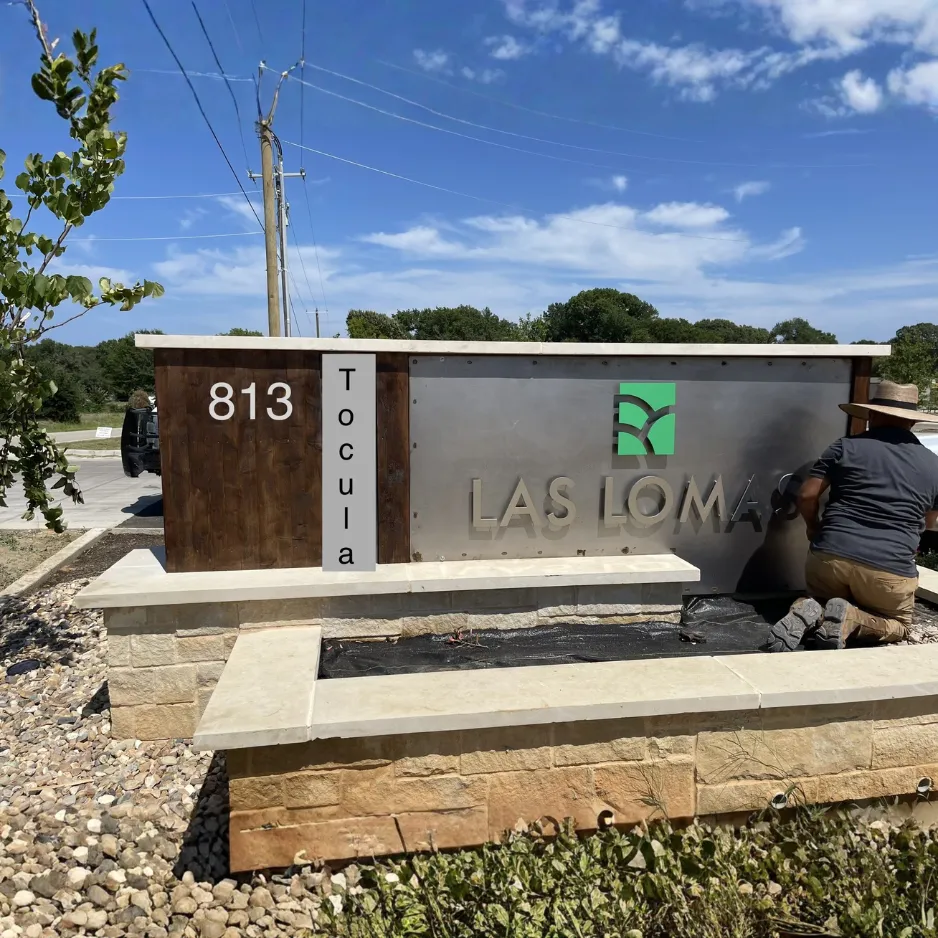
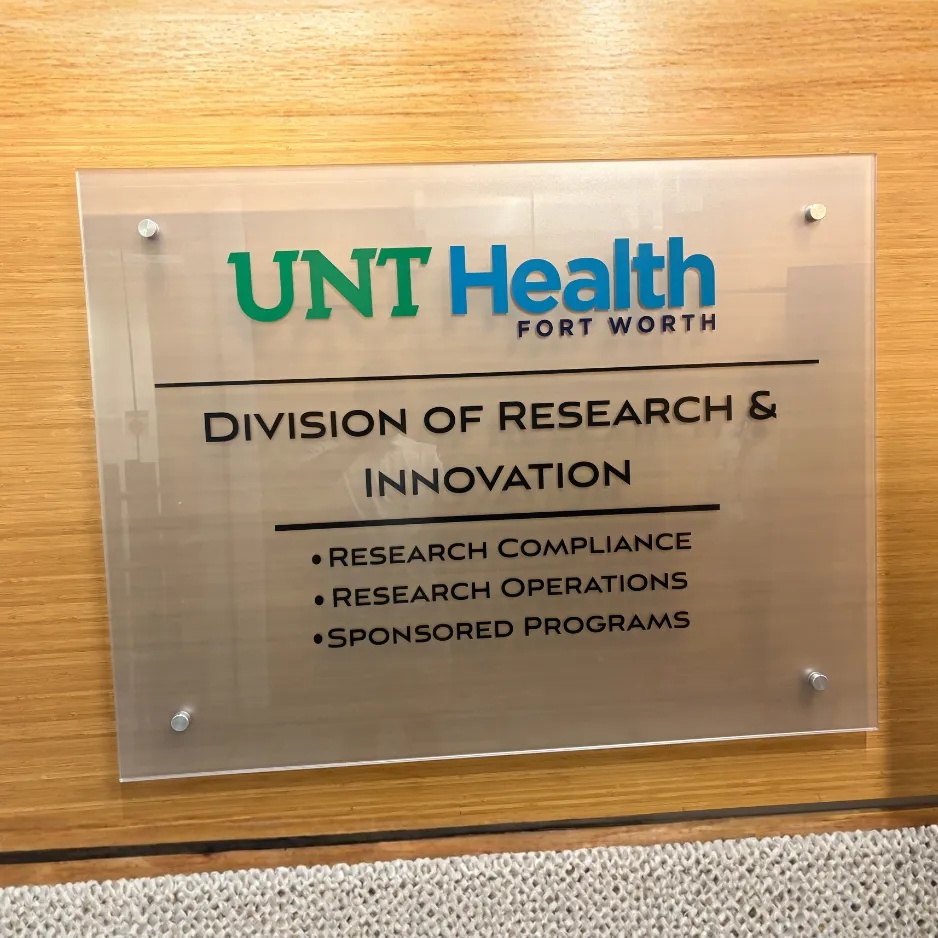
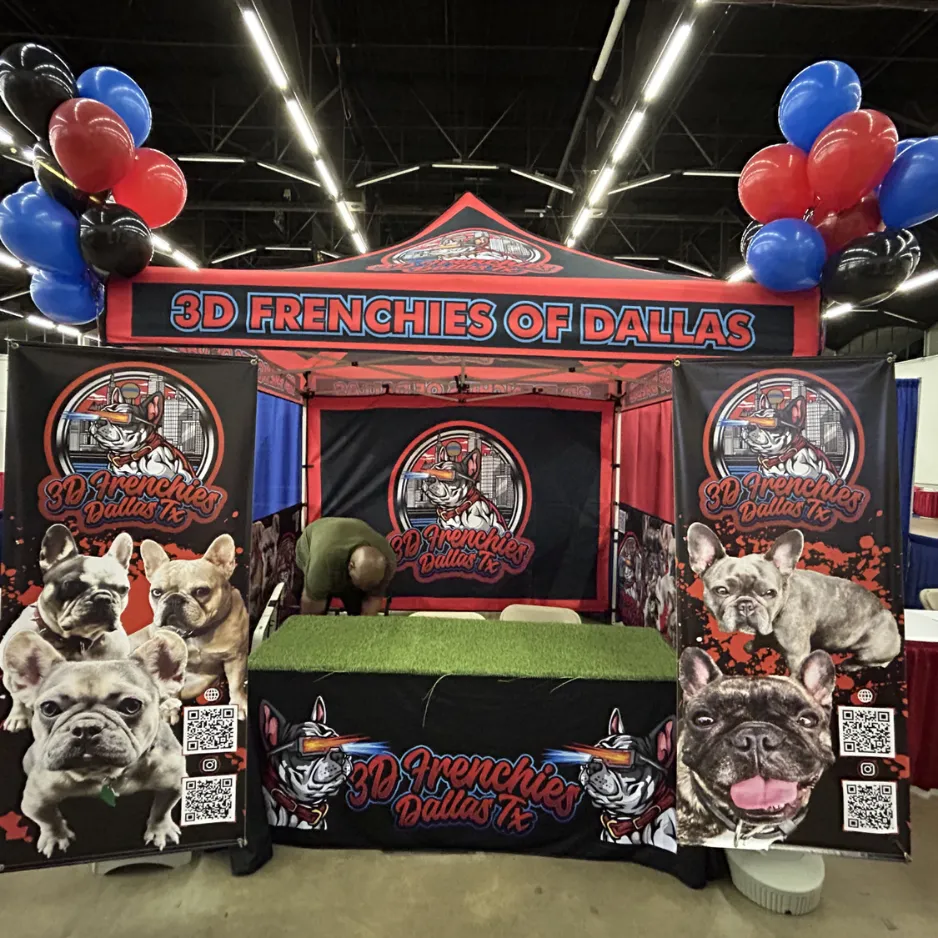
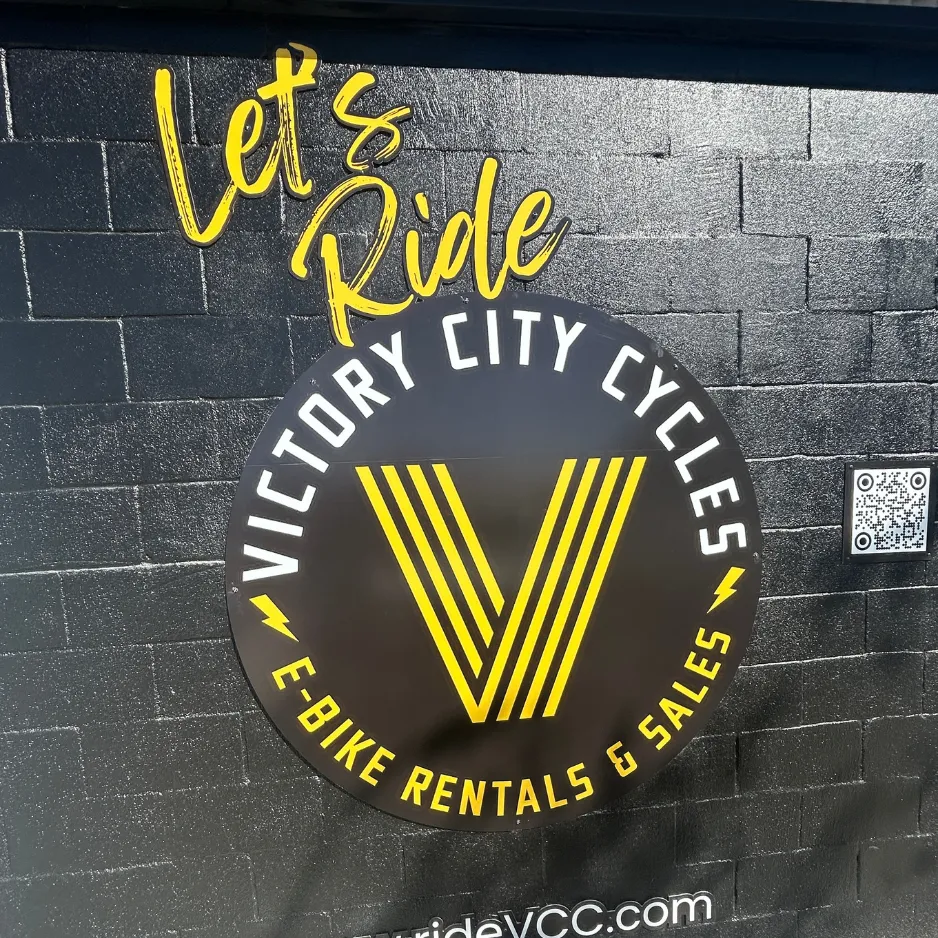
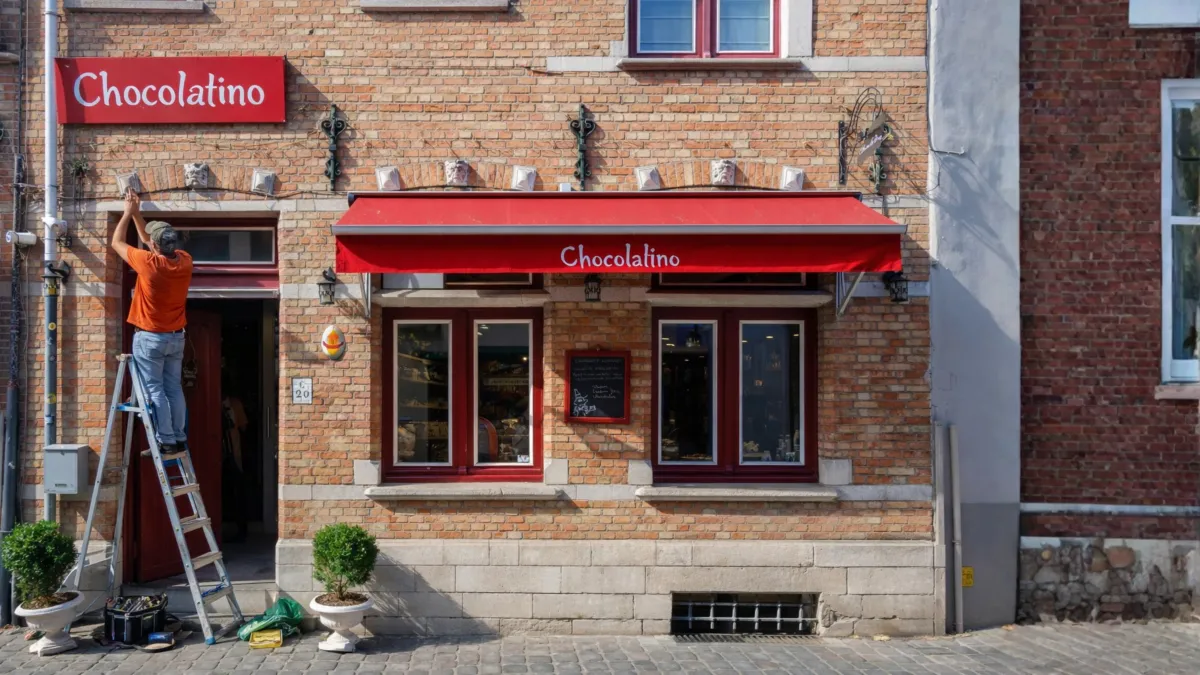
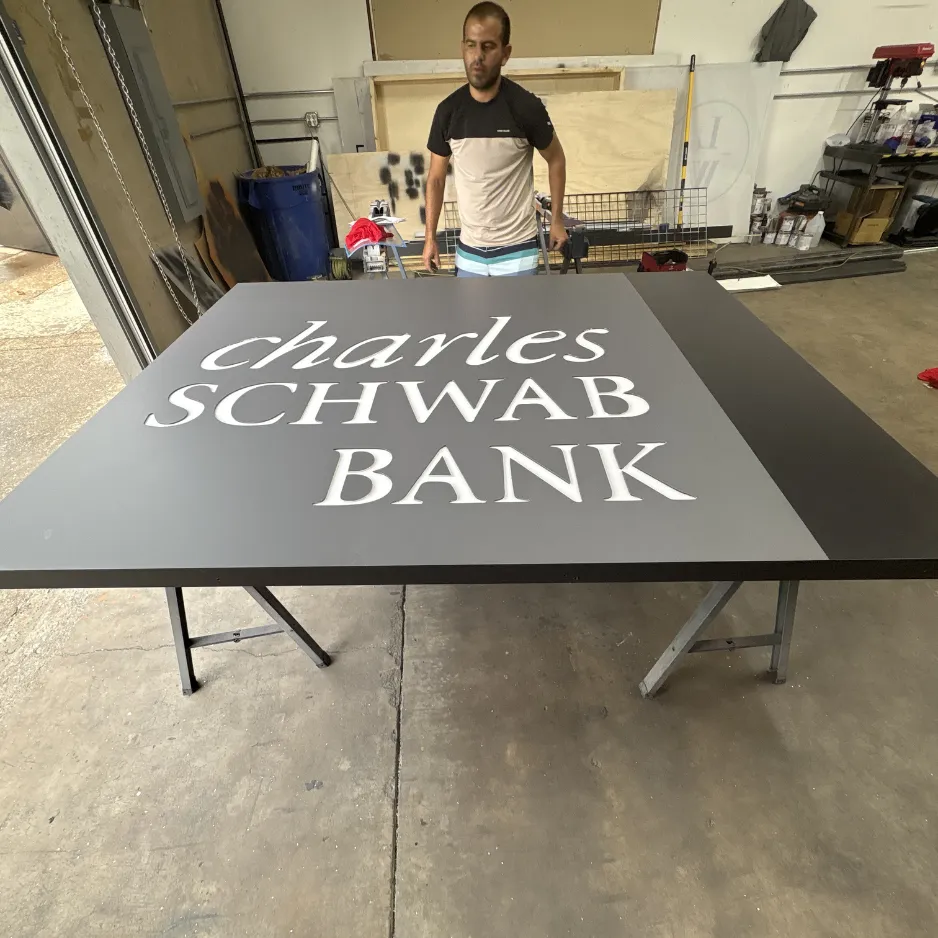
We have supported projects for corporate entities, municipalities and growing businesses throughout Dallas and surrounding communities.
Certified MBE for Corporate Event and Tradeshow Procurement
Elevated Exposure Signs and Graphics is an NMSDC-certified Minority Business Enterprise (MBE), Certificate No. DL327151, Dallas/Fort Worth MSDC. Corporations and institutions with supplier diversity programs can count this engagement toward their MBE procurement targets.
Frequently Asked Questions About Event Signage
What signage should businesses bring to trade shows?
Most exhibitors bring banner stands, booth backdrops and branded table covers to create a professional booth environment.
Are portable event displays reusable?
Many display systems such as banner stands and fabric backdrops are designed to be reused across multiple events.
How far in advance should I order trade show signage?
For a first time booth, plan three to four weeks from the first conversation to a delivered kit. Most of that time is design and approval, not printing. If the artwork already exists as print ready vector files, or you are reordering a graphic you have bought before, it is considerably faster. Rush production is possible when a show date is close, but it costs more and removes the buffer that catches mistakes.
What size backdrop do I need for a 10x10 trade show booth?
An eight foot wide backdrop centers on the back wall of a standard 10 by 10 booth and leaves walking room behind it, while a ten foot backdrop fills the wall completely. Check the exhibitor kit for the height restriction before deciding, since most inline booths cap the back wall around eight feet. Also confirm whether the booth is measured inside or outside the pipe and drape.
Can event signage be customized for different events?
Yes. Many businesses update banner graphics or add additional displays depending on the event audience.
Can event signage be used outdoors?
Yes, but it needs different materials. Printed canopy tents, feather flags and mesh banners are built for outdoor use, while tension fabric backdrops and retractable banner stands are indoor products that will be damaged by wind. Outdoor setups also need weighted legs rather than stakes on most paved venues, commonly around forty pounds per tent leg.
What file format do you need for booth graphics?
Vector files (AI, EPS or PDF with fonts outlined) for logos and type, and raster images at roughly 100 dpi at final print size for photography. Large format graphics are viewed from several feet away, so they do not need 300 dpi. A small web JPEG scaled up will look soft and pixelated at booth size.
How much does event signage cost in Dallas Fort Worth?
Cost is driven mostly by hardware quality, physical size, how much design work the files need, and whether the job is rush. Two visually similar booths can differ several fold based on the frame and cassette quality alone, which is also what determines how many shows the display survives. Send us the pieces you need and your show date for a quote.
Do you deliver to convention centers in Dallas and Fort Worth?
Yes. We build event signage for exhibitors at the Fort Worth Convention Center, the Kay Bailey Hutchison Convention Center, the Irving Convention Center at Las Colinas, the Arlington Convention Center, Will Rogers Memorial Center, Dickies Arena and the Gaylord Texan. We recommend taking delivery a few days before load-in so the kit can be assembled once and checked.
What makes a tradeshow booth attract visitors?
Clear branding, strong visual graphics and simple messaging help booths attract attention within crowded exhibition halls.
Are banner stands good for events?
Retractable banner stands are one of the most common event signage solutions because they are portable, easy to set up and reusable.
Are banner stands good for events?
Describe the item or answer the question so that site visitors who are interested get more information. You can emphasize this text with bullets, italics or bold, and add links.
Trusted by Businesses Across Fort Worth and Dallas
Elevated Exposure Signs and Graphics is committed to delivering high-quality, compliant signage solutions with integrity and professionalism.
Serving Event Exhibitors Across the DFW Metroplex
Elevated Exposure Signs and Graphics supports businesses attending conferences and trade shows throughout the Dallas Fort Worth region including:
Our team works with businesses preparing for conferences, vendor events and promotional exhibits across the metroplex.
Event Signage for Dallas Fort Worth Convention Centers and Venues
The metroplex has an unusually dense set of exhibition venues, and each one has its own load-in reality. We build signage for exhibitors showing at the Fort Worth Convention Center, the Kay Bailey Hutchison Convention Center in downtown Dallas, the Irving Convention Center at Las Colinas, the Arlington Convention Center, Will Rogers Memorial Center, Dickies Arena, the Gaylord Texan in Grapevine, and Esports Stadium Arlington.
Two things vary between them and both affect what you should print. The first is the height restriction on inline booths, which determines how tall your backdrop can be and whether a hanging sign is even permitted. The second is the rigging and labor policy, because a venue that requires union labor for anything suspended from the ceiling turns a hanging sign into a scheduled, budgeted job rather than something you handle at setup.
Neither of those lives on our website, and you should not take our word for them. They live in the exhibitor services kit the show organizer sends you, and they change by show, not just by building. What we can do is read that kit with you and design to it, which is a faster conversation than discovering the limit after the graphic is printed.
The practical version: get the exhibitor kit early, find the booth dimension diagram and the height restriction page, and send us both. Most of the expensive mistakes we see in event signage are dimension mistakes, not design mistakes.
Planning Signage for Your Next Event
If your business is preparing for a trade show, conference or vendor event, professional signage can help attract visitors and strengthen brand visibility.

Electrical Signage Notice
Electrical Signage Notice: Elevated Exposure Signs and Graphics provides design, fabrication coordination, and project management services for illuminated signage. All electrical installation work is performed by properly licensed Texas electrical sign contractors in accordance with state and local regulations.
Copyright @2026 | Privacy Policy | Terms and Conditions | SiteMap