




Channel Letter Signs in Fort Worth and Dallas
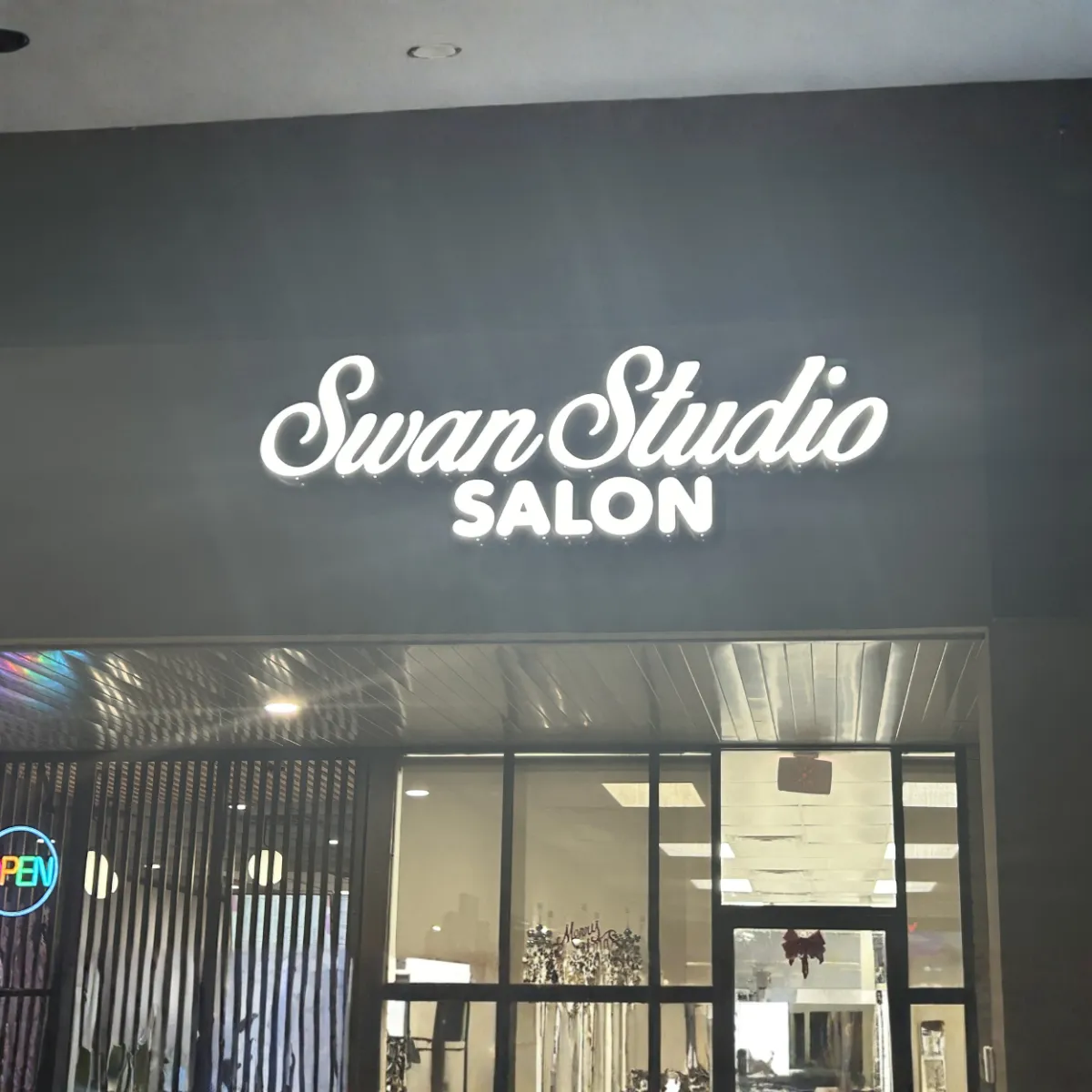
A channel letter sign is a set of individually fabricated three-dimensional letters, typically built from aluminum returns with translucent acrylic faces and internally lit with LED modules, mounted directly to a building facade, a raceway or a backer panel. Businesses across Fort Worth, Dallas and the wider DFW metroplex choose them because they stay legible from the road in daylight and glow after dark, and because most North Texas municipal sign codes treat individually mounted letters as the preferred form of wall signage.
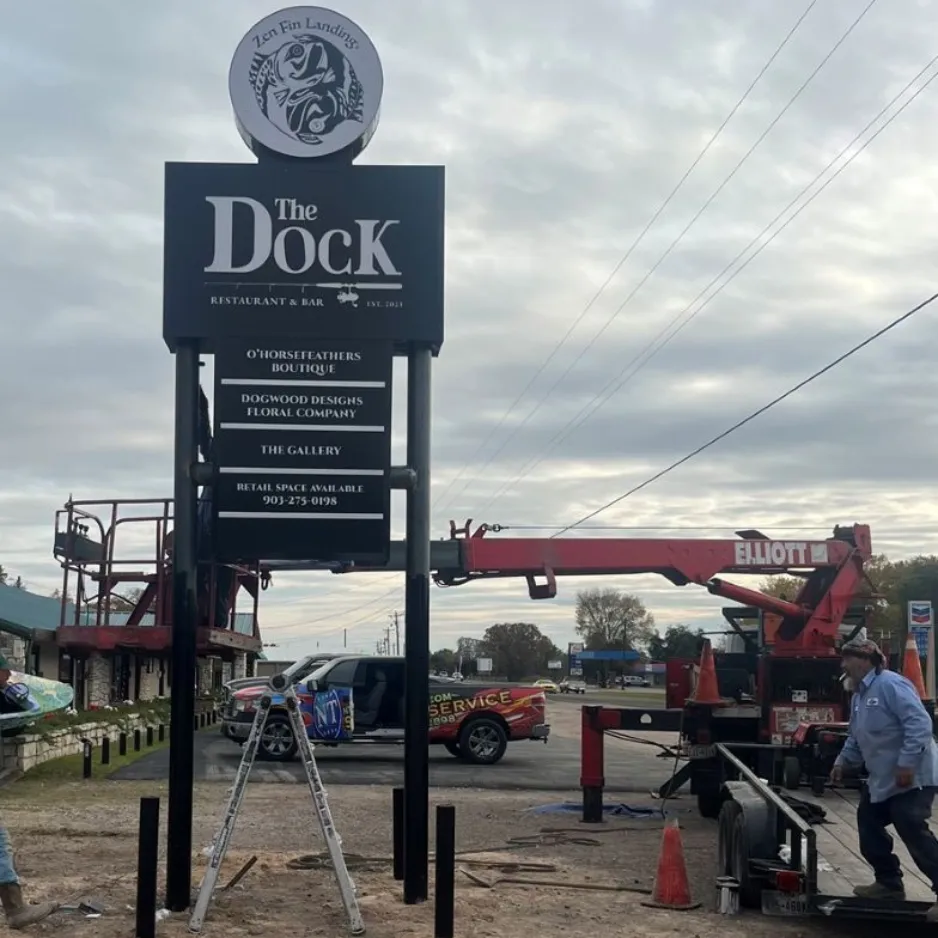

High-Visibility Channel Letter Signs for Commercial Properties
Channel letter signs are one of the most effective exterior signage solutions for businesses in Fort Worth and Dallas.
These three-dimensional, individually fabricated letters are typically illuminated and mounted directly to a building façade, raceway or backer panel.
For retail storefronts, medical offices, restaurants, franchise locations and corporate buildings, channel letters provide strong visibility during both daytime and nighttime hours. When properly designed and installed, they enhance brand presence, reinforce professionalism and comply with municipal sign regulations.
Elevated Exposure Signs and Graphics provides full-service channel letter solutions from concept through installation.
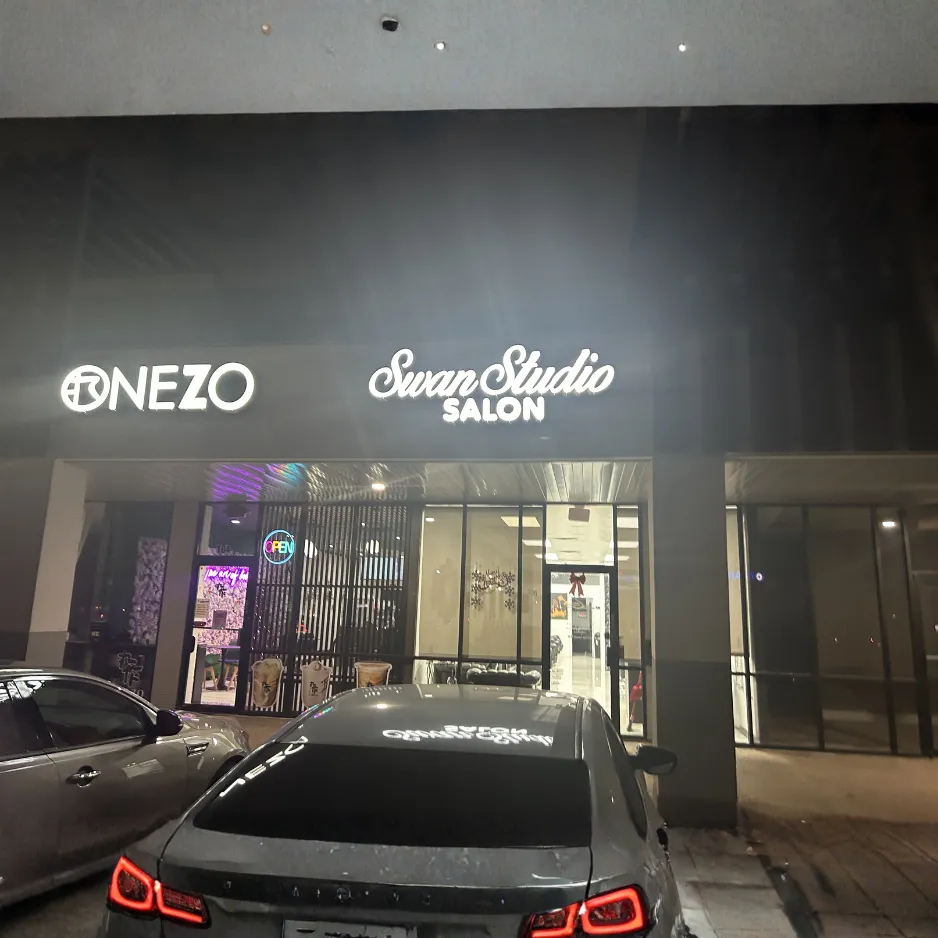
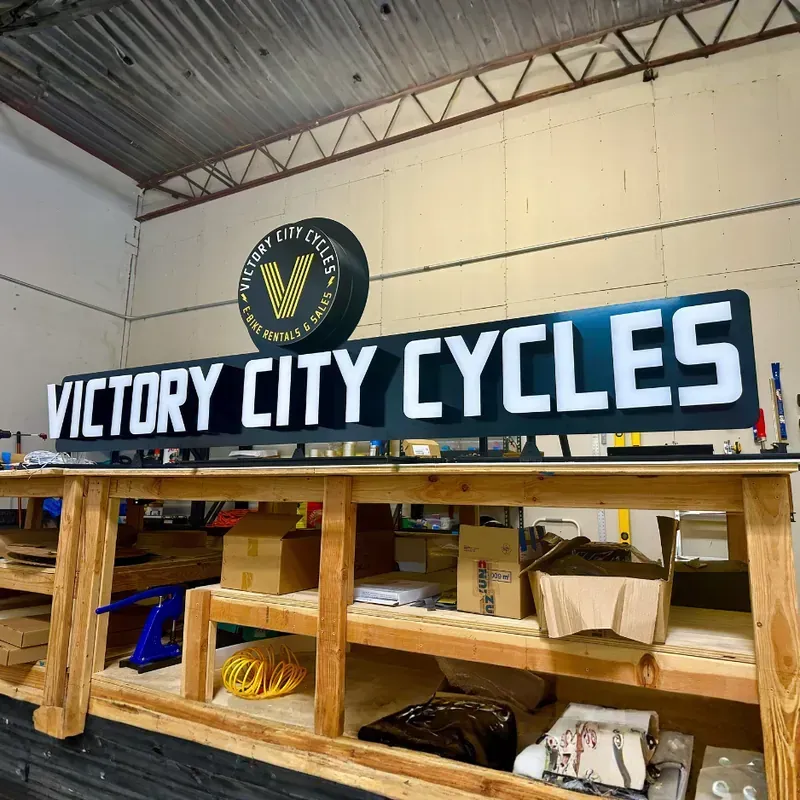
Types of Channel Letter Signs We Provide

Front-Lit Channel Letters
The most common style. Internally illuminated letters with acrylic faces that glow at night while remaining clean and professional during daylight hours.
Front-lit letters use a translucent acrylic face, most commonly 3/16 inch, bonded to an aluminum return with a trim cap edge that locks the two together. LED modules sit inside the can and push light forward through the face. This is the style most shopping center landlords and multi-tenant property managers specify by default, and it is the most forgiving option when a logo uses tight counters or thin strokes. One thing to plan for: a face color almost always reads lighter at night than it does in daylight, so we proof illuminated color choices before fabrication rather than after.
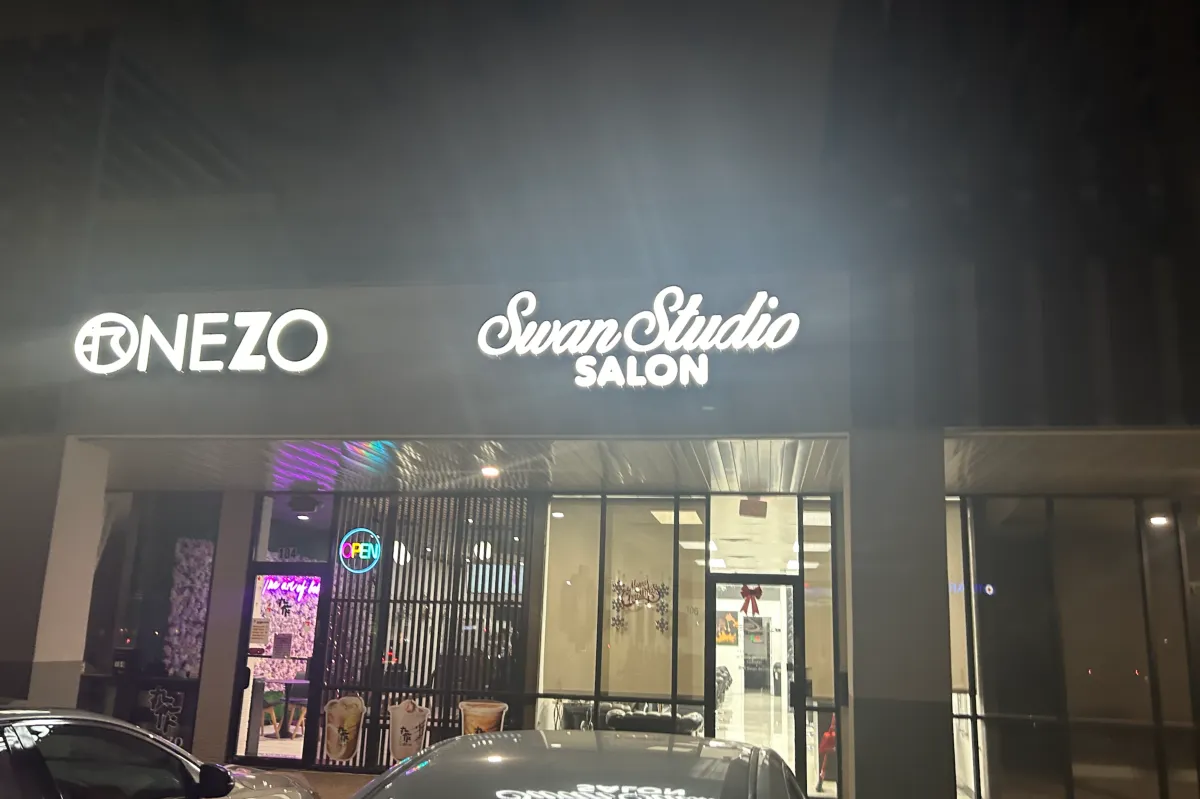

Reverse-Lit Channel Letters
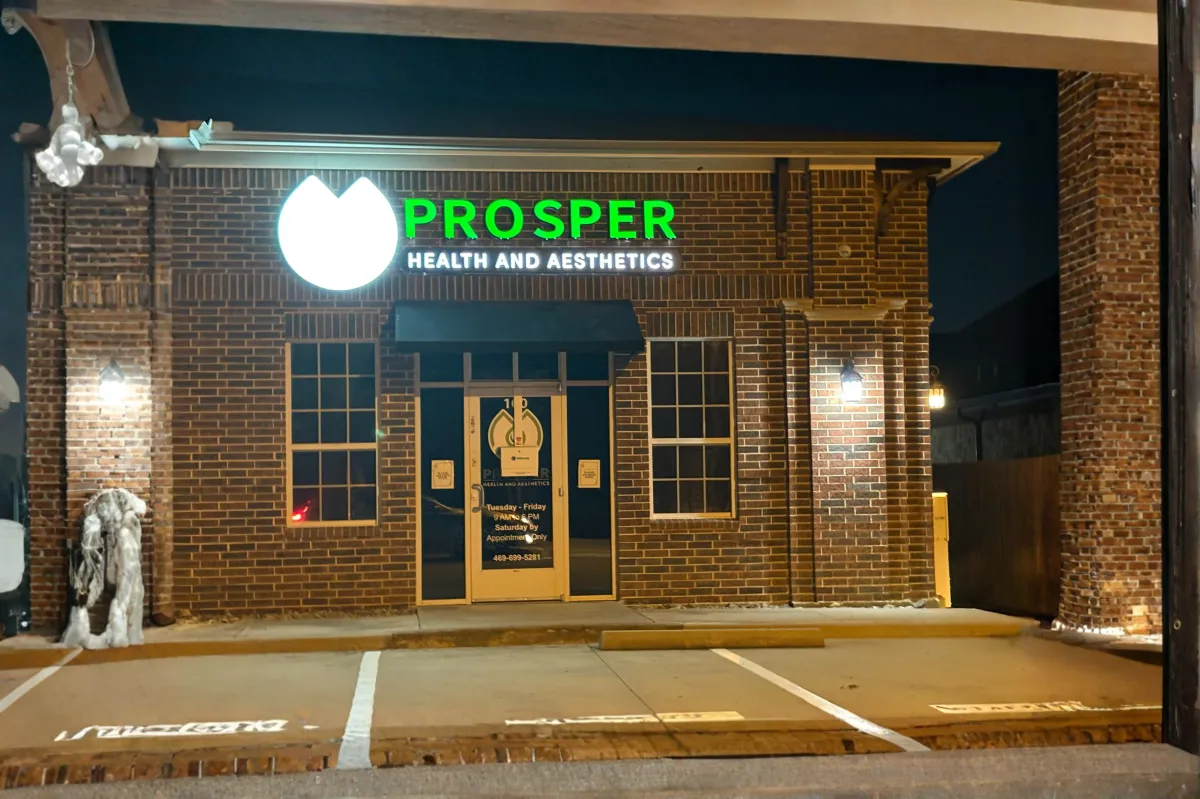
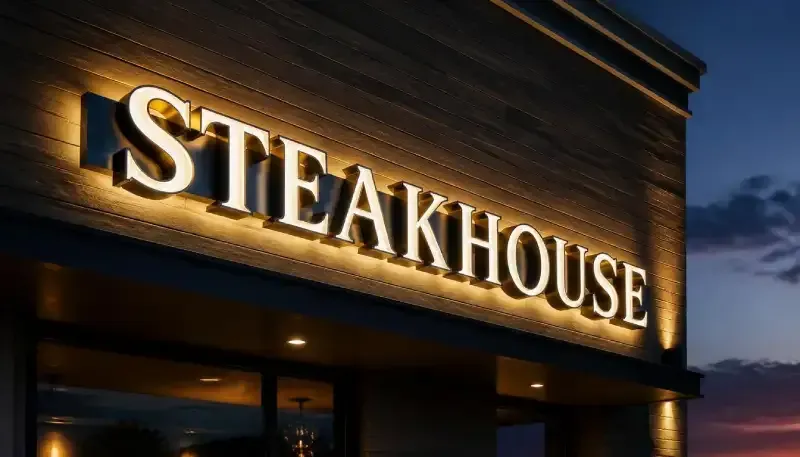
Also known as halo-lit letters. These create a soft glow behind each letter, often used for corporate offices and professional environments.
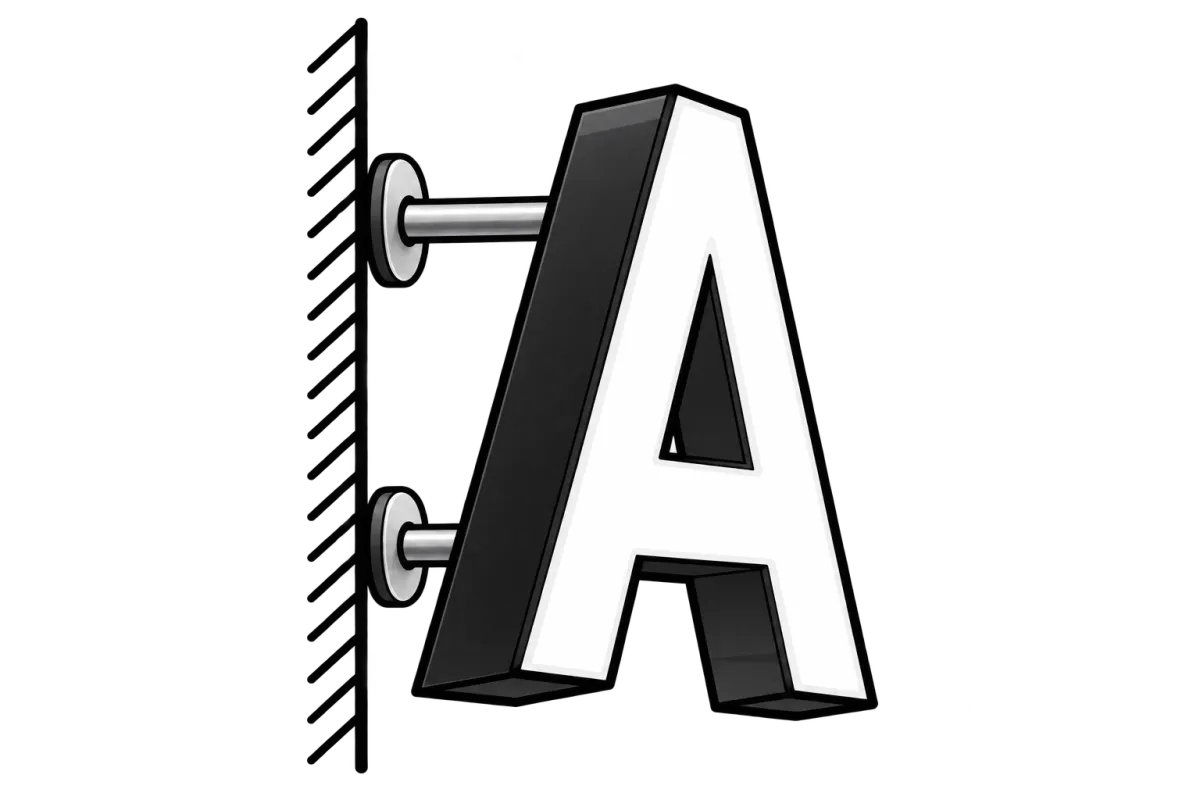
Halo-lit letters have a solid painted metal face and an open or clear back. The LED modules face the wall, and the letters stand off the surface roughly one to two inches on threaded standoffs so light spreads behind each shape. The effect depends almost entirely on what the light lands on. A smooth, light-colored EIFS or painted masonry wall returns a clean halo; dark brick and split-face block absorb most of it and the sign reads as flat metal at night. We evaluate the facade material before recommending this style, because the wall matters more than the letter does.

Combination-Lit Channel Letters
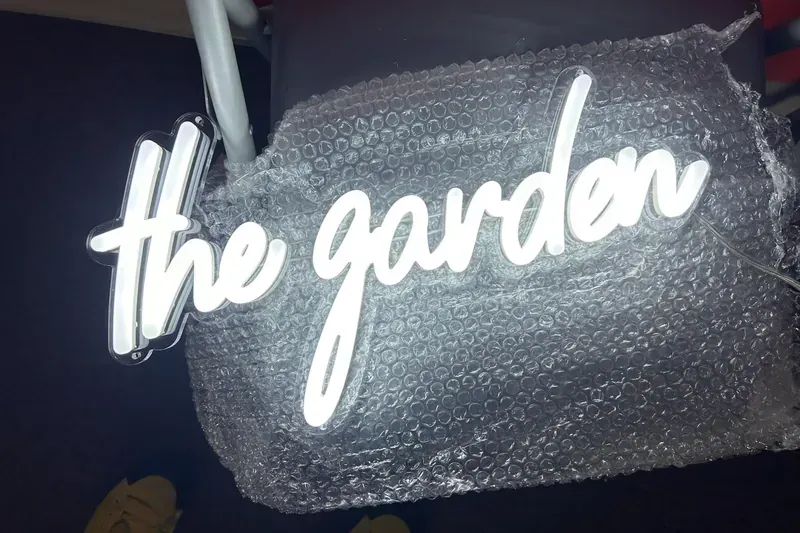
Blends front and reverse illumination for maximum impact.
Combination-lit letters, sometimes called front-and-back-lit, pair a translucent face with an open back so the letter reads as a lit shape with a glow around it. It costs more than either style alone because it requires two lighting circuits and a deeper return, and the electrical load is higher. On a large monolithic facade viewed from a distance it holds attention better than anything else in this category, which is why flagship retail locations and destination restaurants are the most frequent buyers.

Non-Illuminated Dimensional Letters
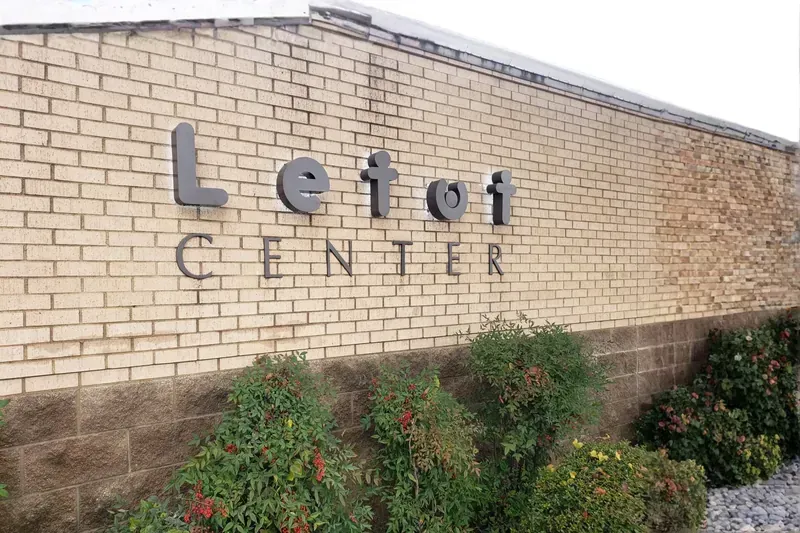
For properties where lighting restrictions apply.
Non-illuminated dimensional letters are cut from solid acrylic, aluminum, PVC or brushed metal and pin-mounted flush to the wall or held off it on standoffs. They are the answer when a lease clause, a historic district overlay or a municipal illumination restriction rules out lighting, and they are the standard choice for interior lobby and reception walls. With no electrical component, they bypass the electrical sign permit entirely and usually install in a single visit.
NMSDC-Certified Minority Business Enterprise
Elevated Exposure Signs and Graphics is an NMSDC-certified Minority Business Enterprise (MBE), Certificate No. DL327151, affiliated with the Dallas/Fort Worth MSDC. This certification qualifies us as a diverse supplier for corporate and government signage projects across the DFW area.
What a Channel Letter Sign Is Actually Made Of
Most sign quotes list a price and a size and stop there. Two quotes for the same storefront can differ by thousands of dollars because of components a business owner never sees, so it is worth knowing what you are comparing.

Return
the side wall of the letter that gives it depth, almost always formed from 0.040 inch aluminum. Standard depth is 3 to 5 inches; deeper returns are used when a letter needs to project further off the wall or house two lighting circuits.

Face
the front surface. Illuminated letters use 3/16 inch translucent acrylic, often with a translucent vinyl overlay to hit an exact brand color. Thicker faces resist Texas hail better and yellow more slowly under direct sun.

Trim cap
the plastic or aluminum edge that bonds the face to the return and frames the letter. It is a small detail that decides whether the sign still looks sharp at year seven.

Power supply
: a low-voltage transformer, typically 12V or 24V, housed in the raceway, above the ceiling or in an accessible enclosure. Undersized supplies are the single most common cause of premature failure we see on signs installed by others.

LED modules
sign-grade LEDs rated for outdoor use, wired in series and spaced by letter size. Manufacturer ratings for quality modules run 50,000 hours or more, which is roughly eleven years at twelve hours a day.
Every letter set we fabricate uses UL 48 listed components and carries a UL label, which is what the electrical inspector looks for and what most commercial leases require.
How Channel Letters Attach to Your Building
Mounting method is usually decided by your landlord and your city, not by preference, and it affects both cost and how the sign is serviced ten years from now. There are three approaches used across DFW.

Raceway Mount
A raceway is an aluminum enclosure, painted to match the facade, that mounts to the wall and holds the letters, wiring and power supplies inside it. It is the most common method in North Texas multi-tenant retail because it requires only a few wall penetrations and one electrical connection, which is exactly what property managers want. It also travels: when a tenant relocates, the raceway comes down and the wall is left with minimal patching. The trade-off is visual, because you can see the box behind the letters, though a well-matched paint color makes it close to invisible from the street.
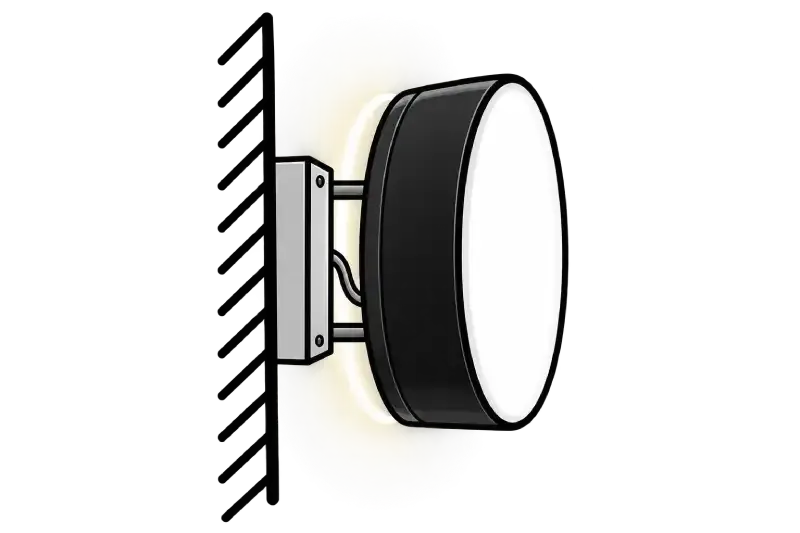
Wireway Mount
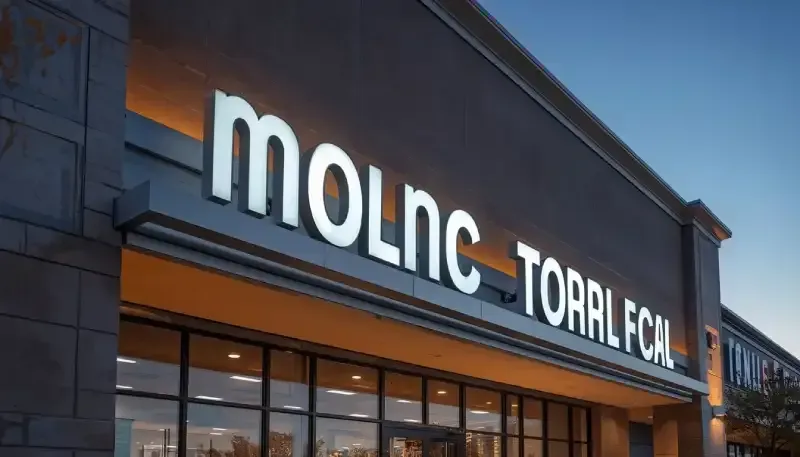
Blends front and reverse illumination for maximum impact.
Combination-lit letters, sometimes called front-and-back-lit, pair a translucent face with an open back so the letter reads as a lit shape with a glow around it. It costs more than either style alone because it requires two lighting circuits and a deeper return, and the electrical load is higher. On a large monolithic facade viewed from a distance it holds attention better than anything else in this category, which is why flagship retail locations and destination restaurants are the most frequent buyers.
Flush or Direct Mount
Individual letters are mounted straight to the wall on studs, with wiring routed through the facade to a power supply inside the building. This is the cleanest look and the one architects specify, and it is generally what you want on a building you own. It also requires the most coordination: someone has to be able to get behind that wall, both during installation and whenever a module needs replacing.
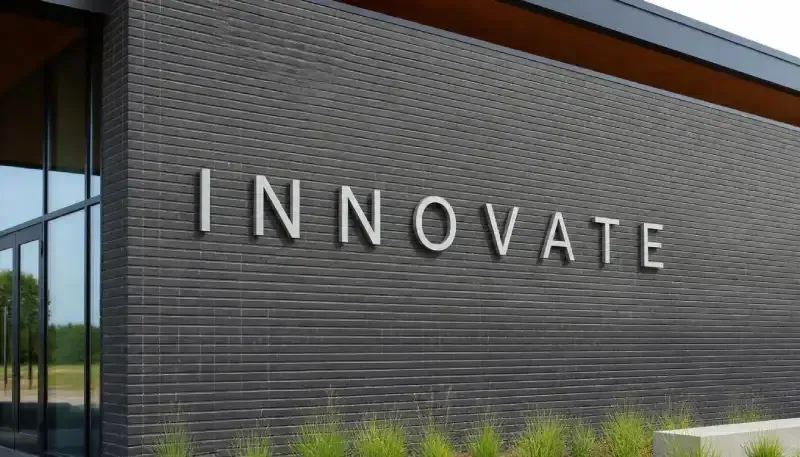
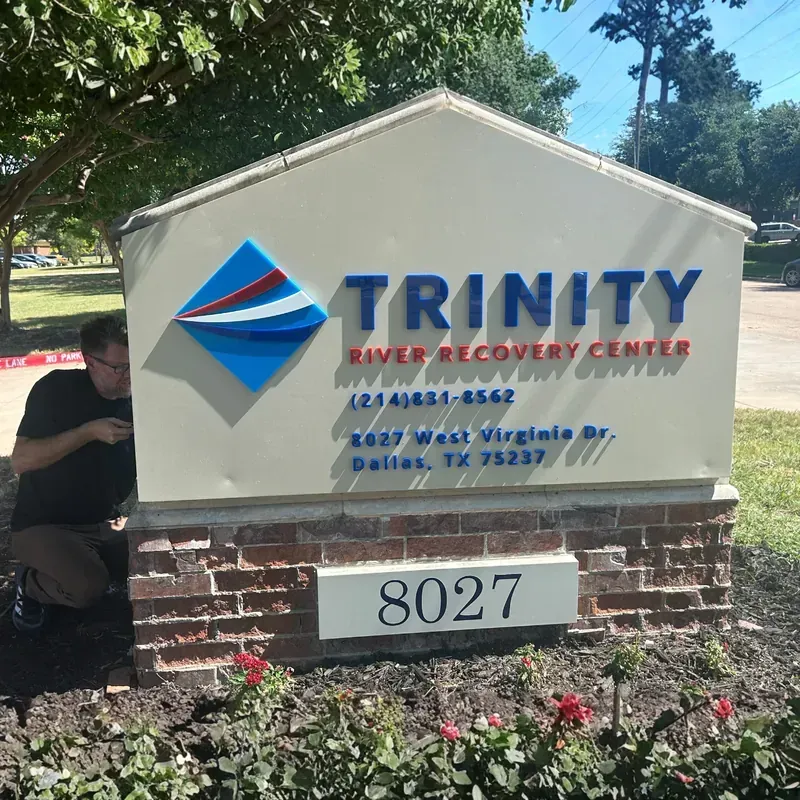
We evaluate all three during the site visit, because the right answer depends on your facade construction, your lease language and the city you are in. If your building calls for something larger than wall lettering, a freestanding [monument sign] may be the better investment for the same budget.
Sign Permits in Fort Worth, Dallas and Surrounding Cities
Almost every delay we see on a channel letter project traces back to permitting, and almost every one of those was avoidable. Our team's background in urban planning and regulatory review is the reason we read the sign ordinance before we draw anything.
Illuminated wall signage in DFW municipalities generally requires two separate approvals: a sign permit that covers size, placement and design, and an electrical sign permit that covers the power connection. They are reviewed by different people and they do not always move at the same speed. Under Texas law, the electrical work on an illuminated sign has to be performed by a licensed electrical sign contractor, which is why we coordinate that portion with TDLR-licensed partners rather than handling it in-house.
Allowable sign area is almost always calculated from your building frontage rather than from what looks right on the wall, and the formula differs by city and by zoning district. Fort Worth, Dallas, Arlington and Plano each apply their own standard, and Dallas layers additional restrictions on properties inside special sign districts and historic overlays. Before any of that, most commercial leases require written landlord or property manager approval, and that approval is a prerequisite the city will ask you to produce.
Our practical guidance: start the permit conversation the same week you start the design conversation. We walk clients through the specific requirements for their address, prepare the drawings the reviewer expects to see, and coordinate documentation so the file is complete on first submission.
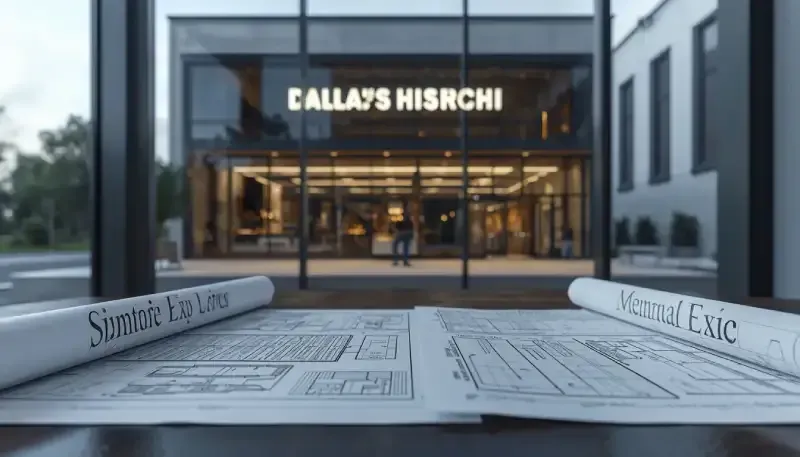
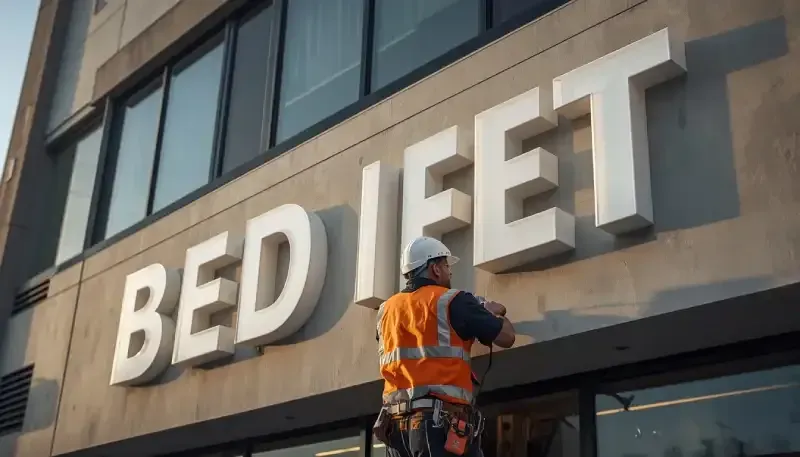
Channel Letter Signs and Local Compliance
Signage in Fort Worth, Dallas and surrounding municipalities must align with local sign codes, size limitations and illumination regulations.
With a background in urban planning and regulatory environments, our team understands how signage integrates with municipal standards and commercial development requirements.
We assist clients in understanding local constraints and coordinating necessary documentation when applicable.
This helps prevent delays and costly redesigns.
Our Channel Letter Process

Consultation and Site
Evaluation
We review your building façade, electrical access and city guidelines.

Design and
Engineering
We align your branding with visibility goals and code requirements.

Fabrication
Letters are fabricated using high-quality aluminum, acrylic and LED components.
Professional
Installation
Our team ensures secure mounting and clean electrical integration.
Industries We Serve
Retail and Storefront
Restaurant and Hospitality
Medical and Healthcare
Franchise and Multi Location
Corporate and Office
LED Lifespan, Maintenance and What Happens When a Letter Goes Dark
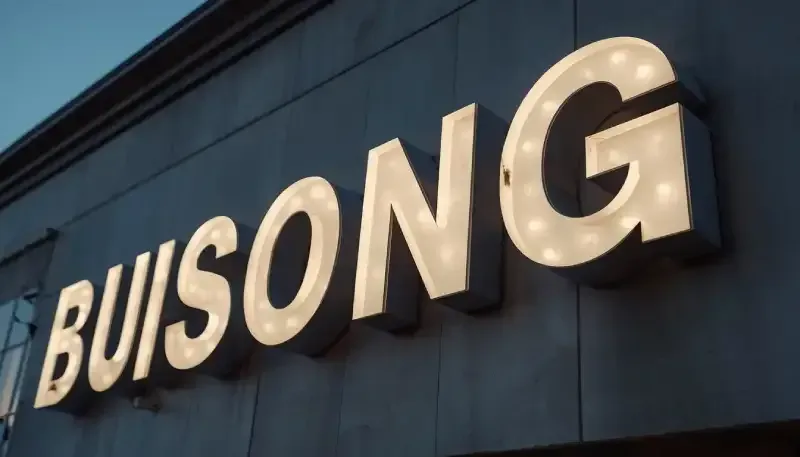
A channel letter sign is a ten-to-fifteen year asset, and the LED modules inside it are the part that ages first. Sign-grade modules from reputable manufacturers are rated at 50,000 hours or more, which works out to roughly eleven years on a twelve-hour daily photocell schedule. In practice, Texas heat shortens that. Sustained rooftop-level temperatures on a west-facing facade will pull real-world life closer to seven or eight years.
When a single letter goes dark, the cause is usually one of three things: a failed module in that letter, a power supply that has aged out and is no longer holding voltage across its full run, or moisture that has found its way into a return through a failed seal. Only the first is a genuinely isolated fix. The second and third tend to indicate the rest of the sign is close behind, which is why we inspect the full letter set rather than swapping the one part that is obviously broken.
One decision matters more than any of this: whether the sign was built with a UL 48 listing and correctly sized power supplies in the first place. In our experience, the signs that fail early were not built cheaply on the face. They were built cheaply behind it. We fabricate to UL standards, we seal returns properly for outdoor Texas exposure, and we service what we install.
Frequently Asked Questions
About Channel Letter Signs
How much do channel letter signs cost in Fort Worth?
Most commercial channel letter signs in DFW cost between $3,000 and $15,000 installed. Front-lit letters on a raceway typically run $3,500 to $9,000, while reverse-lit halo letters start around $5,000 and climb with letter height and facade complexity. Municipal sign permit fees add roughly $100 to $500 on top. Letter height, illumination type and mounting method move the number more than anything else, which is why we quote after a site visit rather than over the phone.
Do you handle permitting, electrical and installation?
Yes. We manage the full process: design, permit drawings and submittal, fabrication, and installation. Illuminated signage in DFW requires both a sign permit and a separate electrical sign permit, and we prepare the documentation for both. Under Texas law the electrical connection must be made by a licensed electrical sign contractor, so that portion is performed by TDLR-licensed partners we coordinate directly.
How long does a channel letter sign take from approval to installation?
Most channel letter projects take four to eight weeks from final design approval to installation. Fabrication itself runs two to three weeks; the rest is permitting, which is the step that varies most by city and by how complete the submittal is. Starting the permit conversation during the design stage instead of after it is the single biggest thing that shortens a timeline.
How long do LED channel letters last?
Sign-grade LED modules are rated at 50,000 hours or more, roughly eleven years on a twelve-hour daily schedule. In Texas, sustained heat and direct west-facing sun tend to bring real-world life closer to seven or eight years. They also draw a fraction of the power of the neon and fluorescent systems they replaced, so running costs stay low across that lifespan. Correctly sized power supplies and properly sealed returns matter more to longevity than the LEDs themselves.
Do I need a permit for a channel letter sign in Fort Worth?
Yes. Illuminated wall signage in both cities requires a sign permit covering size and placement, plus a separate electrical sign permit for the power connection. Most commercial leases also require written landlord approval before the city will accept the application. Allowable sign area is calculated from your building frontage and zoning district, so the maximum letter size differs from one address to the next.
What is a raceway on a channel letter sign?
A raceway is an aluminum enclosure mounted to the building that holds the letters, wiring and power supplies inside a single housing. It is the most common mounting method in DFW multi-tenant retail because it minimizes wall penetrations and requires only one electrical connection, which is what most landlords prefer. The alternatives are a wireway, a slim channel that carries only the wiring, and flush mount, where each letter attaches directly to the wall.
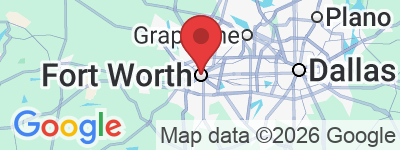
Serving Fort Worth, Dallas and Surrounding Cities
We provide channel letter signage solutions throughout:
Ready to Elevate Your Building Visibility?
If you are opening a new location or upgrading your exterior signage, request a free estimate today.
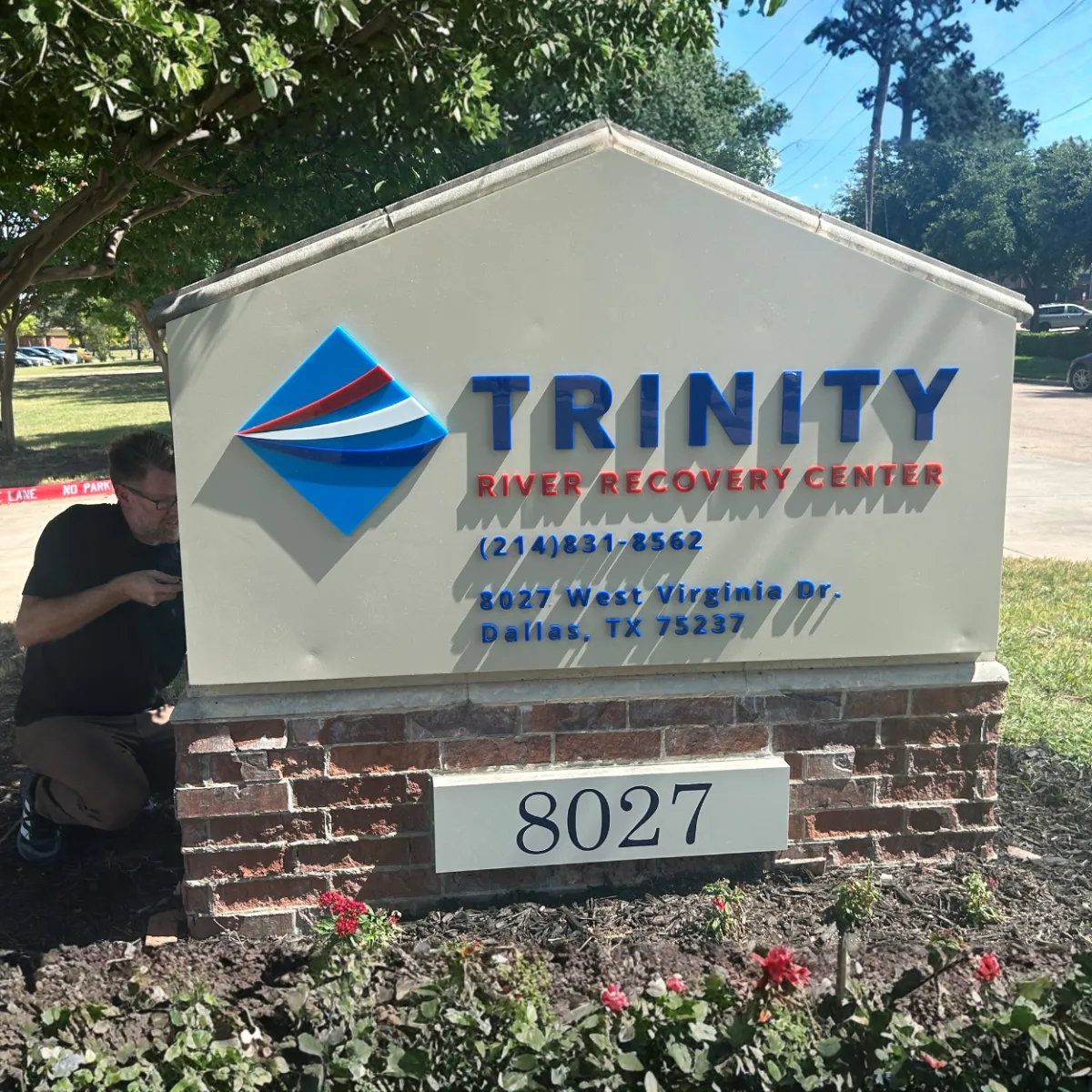
Explore More Commercial Signage Solutions

Electrical Signage Notice
Electrical Signage Notice: Elevated Exposure Signs and Graphics provides design, fabrication coordination, and project management services for illuminated signage. All electrical installation work is performed by properly licensed Texas electrical sign contractors in accordance with state and local regulations.
Copyright @2026 | Privacy Policy | Terms and Conditions | SiteMap